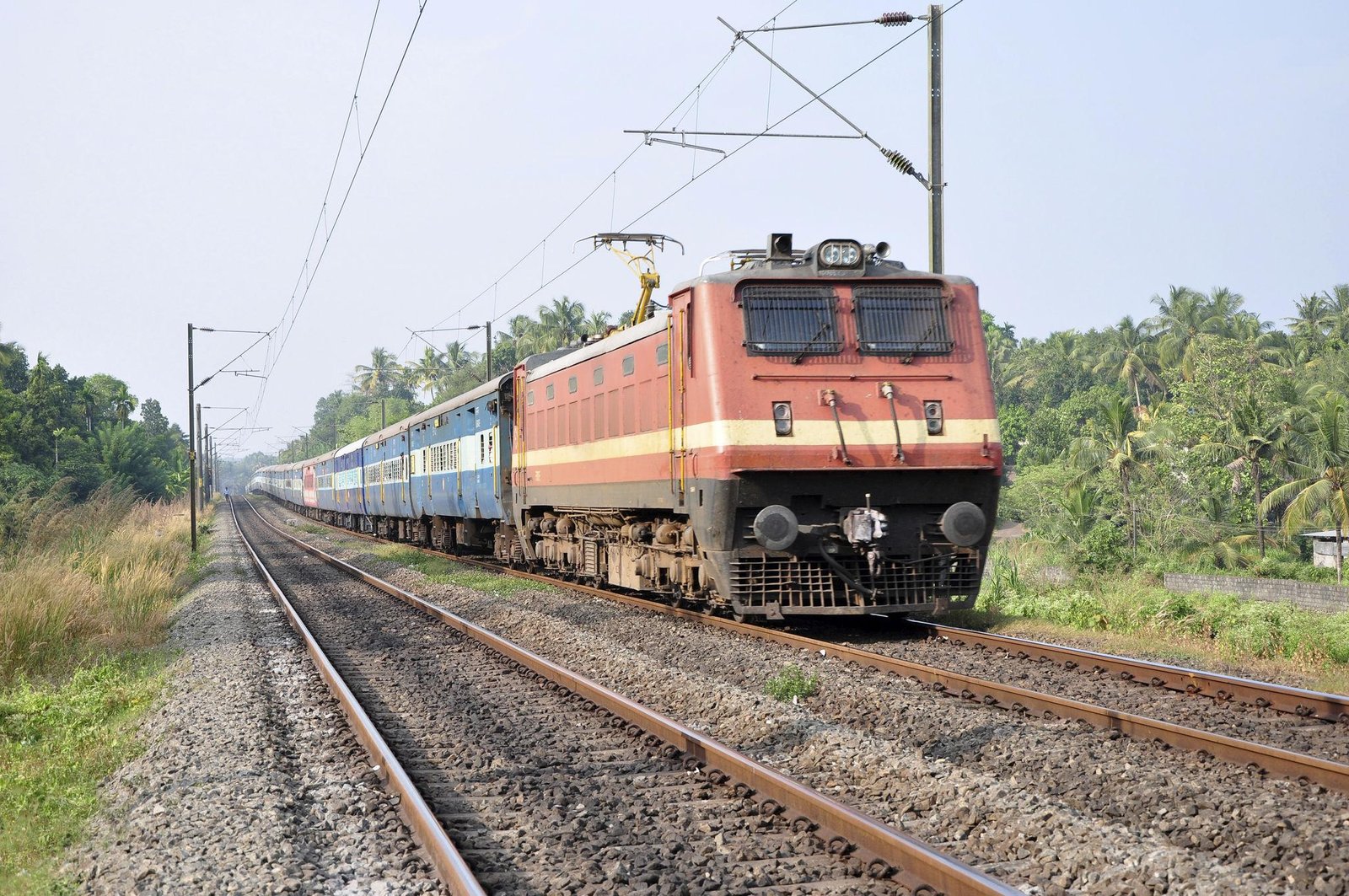
Indian Railways to Run 1,484 Summer Special Trains to Handle Holiday Rush
Summer holidays often bring a surge in travel as schools close and families across India plan vacations to popular destinations. This seasonal rush typically leads to crowded trains and long waiting lists. To manage the increased demand, Central Railway has announced the operation of 1,484 summer special trains.
According to railway officials, the special services will include 749 reserved trains and 735 unreserved trains, aimed at easing passenger congestion during the peak summer travel season.
Within Maharashtra, the special trains will operate on several key routes including Mumbai/Daund–Solapur, Pune–Kolhapur, Nashik Road–Badnera, and Hadapsar–Harangal.
For travellers heading outside the state, services will run on routes such as Mumbai–Ballia, Mumbai–Gorakhpur, Daund–Kalaburagi, Solapur–Kalaburagi, and Anakapalle.
Officials said the initiative is intended to help passengers plan their journeys in advance and avoid last-minute difficulties during the busy holiday period. Railway authorities have also upgraded facilities across the network and introduced operational measures to better handle the surge in passenger demand.
The detailed schedule and stoppage information for these special trains will be announced soon.
In addition, Indian Railways is adopting a new approach by using AI-based tools to analyse ticket searches, waiting lists and travel demand. This technology will allow the railways to introduce additional services on high-demand routes if required. For now, the current plan has been prepared using travel data from last year, with flexibility to add more trains if demand rises.
Last month, the Railway Board also reinstated the emergency quota for Vande Bharat sleeper services and Amrit Bharat trains, after the facility was removed in January. Under the revised arrangement, a certain number of berths will be reserved for urgent travel in specific classes on premium long-distance trains.
The decision was taken following a review of passenger demand, berth availability and operational requirements.