Friedrich Merz has issued a strong warning over the escalating global energy crisis, stating that ending the conflict involving the United States, Israel, and Iran is the only sustainable solution to stabilizing soaring oil and gas prices.
Speaking amid growing economic concerns, the German Chancellor emphasized that government subsidies alone cannot shield economies from the prolonged impact of geopolitical instability. He stressed that lasting relief can only come through a diplomatic resolution to the conflict.
Merz identified the ongoing tensions as the primary driver behind rising energy costs, which are now impacting economies worldwide.
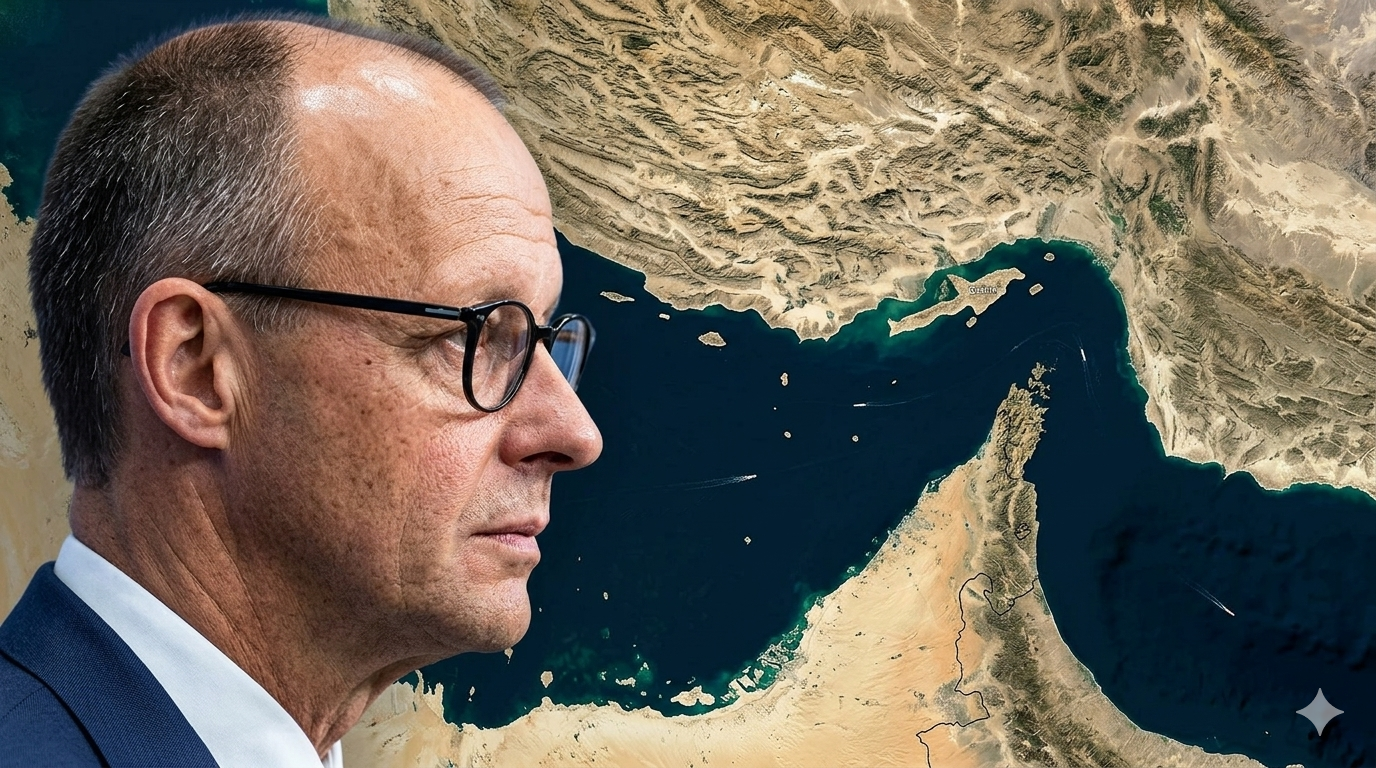
A key concern is the disruption in the Strait of Hormuz—one of the world’s most critical oil transit routes. Any instability in this region has immediate repercussions on global oil supply and pricing.
Germany is actively working with its European partners, including the European Union, the United Kingdom, and Norway, to push for a diplomatic end to hostilities.
Merz acknowledged that achieving peace would require cooperation from all sides, including Iran, underlining the complexity of the situation.
Clarifying Germany’s position, the Chancellor stated that the country is not a participant in the conflict and has firmly ruled out any military involvement, despite facing economic repercussions.
Instead, Berlin remains focused on diplomatic engagement and international coordination to de-escalate tensions.
Merz also warned of broader risks to the global economy, noting that prolonged conflict could deepen inflationary pressures and disrupt supply chains.
Calling for urgent action, he emphasized that stability in energy markets depends on peace in the region, making diplomacy the only viable path forward.