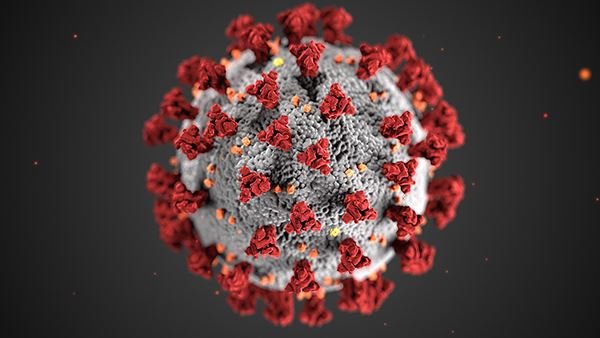
A new COVID-19 variant, BA.3.2, nicknamed the “Cicada” variant, is drawing global attention—but experts say there’s no need for panic yet. The name comes from the insect known for disappearing for years before re-emerging, reflecting how this variant’s parent strain briefly vanished before resurfacing.
What is the Cicada variant?
BA.3.2 is a subvariant of the Omicron lineage and was first identified in South Africa in November 2024. It stands out because it carries around 70–75 mutations, many of them in the spike protein—the part of the virus that helps it enter human cells. This has raised interest among scientists studying how it behaves.
Why is it called “Cicada”?
The nickname was coined by evolutionary biologist T Ryan Gregory. The parent lineage, BA.3, was detected in 2022 but then largely disappeared before reappearing in this evolved form—similar to cicadas emerging after long gaps.
Where has it spread?
By early 2026, the variant had been reported in over 20 countries. It has been detected across multiple US states and parts of Europe, particularly in Germany, Denmark, and the Netherlands, where it accounted for a notable share of cases during winter. Surveillance data also suggests it is circulating globally at a moderate level.
How dangerous is it?
So far, global health authorities say there is no evidence that BA.3.2 causes more severe illness than other Omicron variants. It has not been linked to increased hospitalisations or deaths. Some early observations suggest it may be affecting children more frequently, but not more severely.
Do vaccines still work?
Current vaccines may be less effective at preventing infection with this variant due to its mutations. However, experts believe they still provide strong protection against severe illness, hospitalisation, and death—similar to other Omicron subvariants.
Should you be worried?
Health agencies currently classify BA.3.2 as a low additional public health risk. While it’s important to monitor its spread, basic precautions like hygiene, testing, and staying updated with vaccinations remain effective. Experts stress that awareness is necessary—but panic is not.