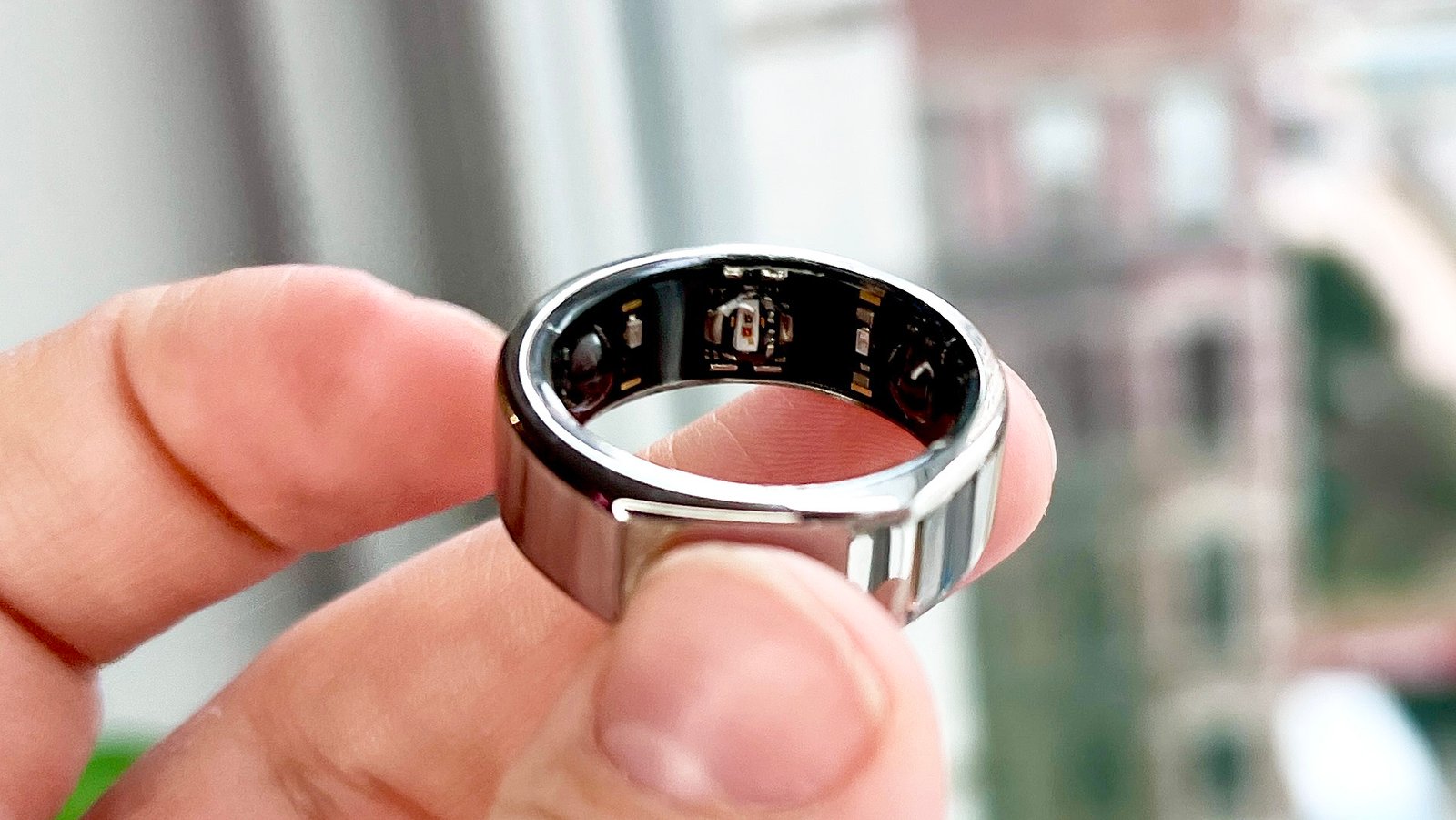
The Oura Ring offers a subtle yet powerful way to track health by continuously collecting biometric data from your finger without being intrusive. Designed for comfort and accuracy, the ring requires proper sizing to ensure reliable readings and can be worn all day with minimal distraction. Unlike traditional wearables, it has no screen, allowing users to focus on insights rather than constant notifications.
The companion app plays a key role, providing easy setup and delivering insights across metrics such as readiness, sleep, activity, heart rate, and stress. Within a few days of use, the app begins generating meaningful data, presenting scores out of 100 that reflect overall fitness and recovery. The readiness score, in particular, offers a clear snapshot of how prepared your body is for the day, combining multiple health indicators into a single, easy-to-understand metric.
Over a two-week period, the device can reveal valuable patterns. For instance, it helps identify optimal sleep duration—around 7.5 hours in this case—and highlights how stress and disrupted sleep impact overall well-being. The ring also tracks daily activity, encouraging movement by monitoring active time rather than just steps or calories, making users more mindful of staying active throughout the day.
One key insight is how stress builds gradually rather than appearing instantly, often showing up later through elevated heart rate and poor sleep quality. The app also offers tools like breathing exercises to help manage stress and improve recovery. Additionally, an AI advisor provides personalised recommendations based on user data, helping guide lifestyle changes and answer health-related queries.
While the device delivers high-quality insights, some advanced features and AI-driven guidance require a subscription, which may feel expensive on top of the premium hardware cost. Battery life lasts about a week, with quick recharging via a docking station.
Overall, the Oura Ring stands out for translating complex health data into practical, actionable advice. By focusing on behaviour change rather than just data collection, it helps users build healthier routines and improve overall quality of life.