The heart is a complex organ, and sudden changes in its rhythm can signal underlying issues. While many people track their heart rate, it’s important to understand that both unusually high and low readings can be a cause for concern. In particular, a heart rate that consistently falls below 60 beats per minute may require medical attention and should not be ignored.
In a conversation with HT Lifestyle, Dr Nityanand Tripathi, Principal Director and Head of Cardiology and Electrophysiology at Fortis Hospital, explained that a slow heart rate—known as bradycardia—is defined as fewer than 60 beats per minute. While this can be normal in athletes or during sleep, a persistently low pulse accompanied by symptoms should be taken seriously.
He noted that bradycardia often goes unnoticed because its symptoms can be subtle or mistaken for stress, fatigue, or ageing. The condition develops when the heart’s natural pacemaker, the sinoatrial (SA) node, fails to function properly. This can disrupt the heart’s electrical system, reducing the flow of oxygen-rich blood to vital organs and affecting overall health.
Certain warning signs may indicate the need for medical evaluation. Common symptoms include persistent fatigue, unexplained weakness, dizziness, and light-headedness. More concerning signs include confusion, shortness of breath during routine activities, chest discomfort, and fainting or near-fainting episodes.
Older adults—especially those over 65—are more vulnerable due to age-related changes in the heart’s electrical system. Additionally, conditions such as diabetes, hypertension, and coronary artery disease can increase the risk. In many cases, symptoms in elderly individuals are mistaken for normal ageing, which can delay diagnosis and treatment.
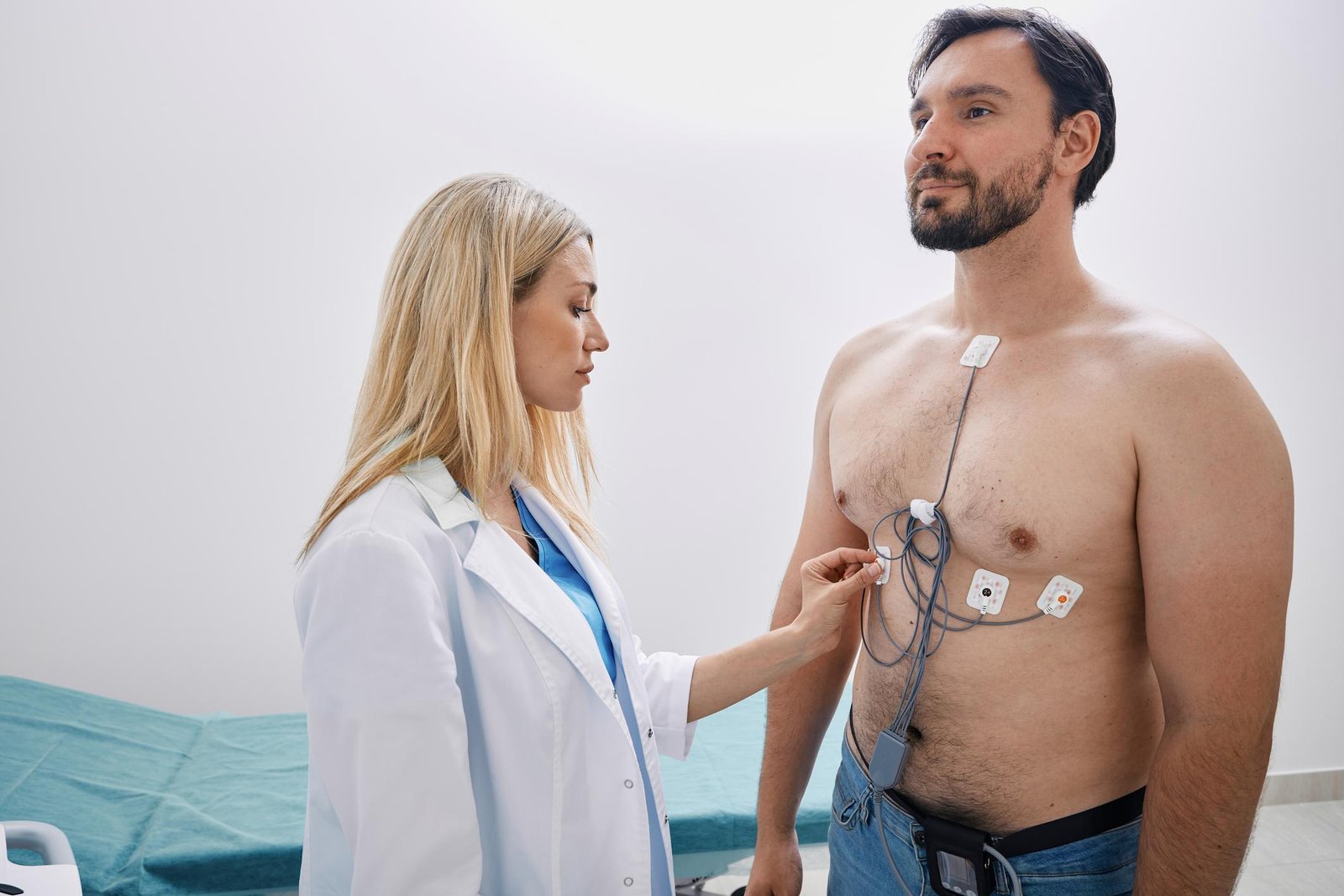
For diagnosis, doctors may recommend an electrocardiogram (ECG) to detect abnormal heart rhythms. Ambulatory monitoring, such as a Holter device, can help capture irregularities over a 24–48 hour period. Treatment depends on the cause and severity, ranging from medication adjustments to correcting underlying imbalances. In more serious cases, a pacemaker may be required. Newer advancements, including leadless pacemakers implanted directly into the heart, offer minimally invasive options with faster recovery and lower infection risk.