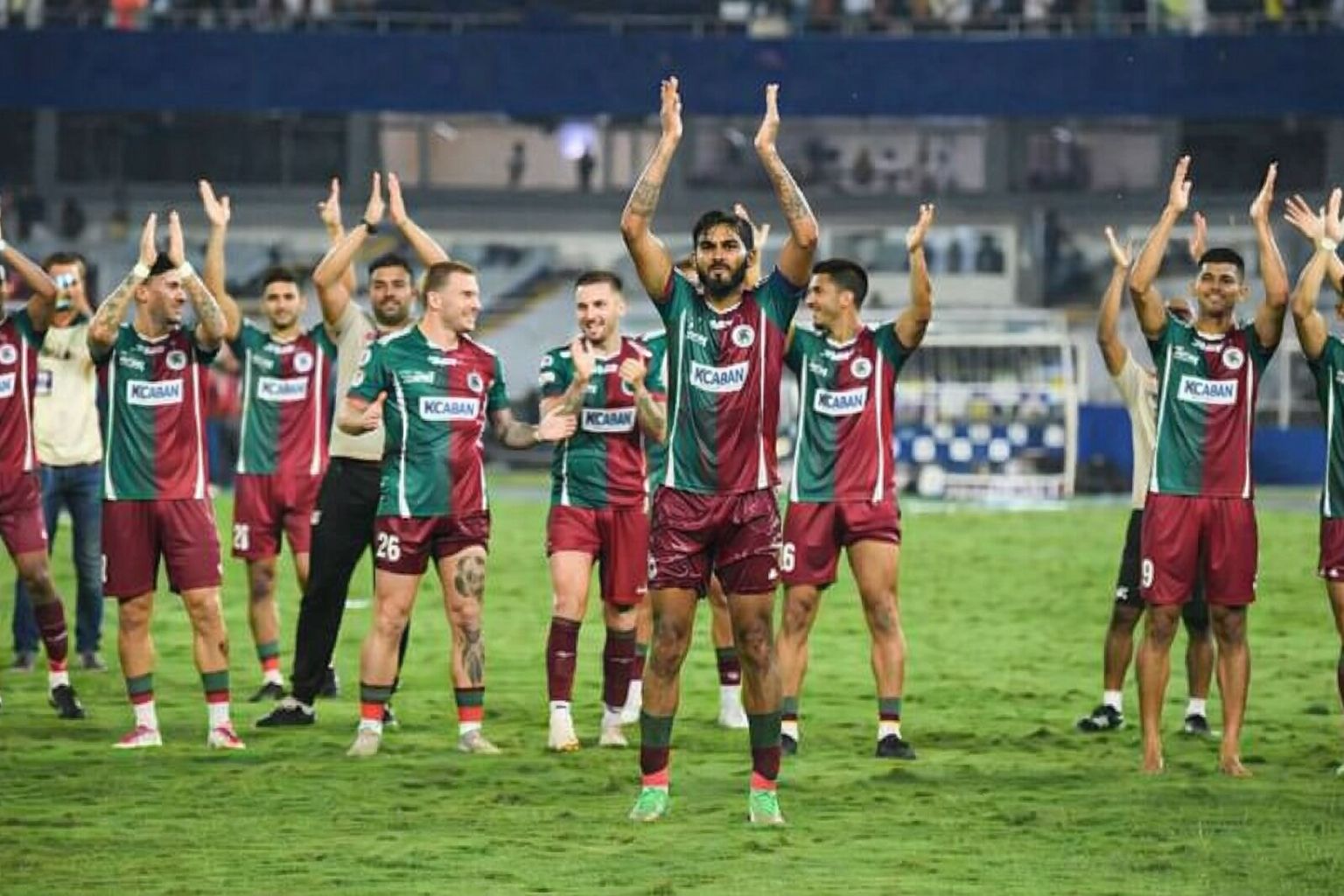
ISL Clubs Raise Valid Questions, But Delay Concerns Linger Over AIFF Deal
Concerns raised by Indian Super League (ISL) clubs over the All India Football Federation’s (AIFF) commercial partner selection process are not without merit. After all, two club representatives were part of the bid evaluation committee—raising a key question: why do clubs now need separate meetings with bidders if the evaluation process was already in place?
Need for Clarity in Decision-Making
In a letter to All India Football Federation (AIFF), ISL clubs argued that decisions of such magnitude should go beyond simply reviewing submitted bids. They emphasised the importance of understanding bidders’ business plans, revenue strategies, cost structures, and long-term vision.
While this demand appears reasonable, it also highlights a deeper issue—wasn’t this precisely the role of the bid evaluation committee? If a thorough evaluation had been conducted, the need for further deliberation with all 14 clubs might have been avoided.
Stakeholders or Process Disruption?
Clubs remain key stakeholders in the league’s future, especially given that the commercial deal will shape the long-term direction of Indian football. AIFF is expected to facilitate meetings between clubs and bidders such as Genius Sports and FanCode, though these were delayed due to holidays.
This move may be an attempt by AIFF to ensure transparency and avoid dissatisfaction, particularly after clubs pointed out they were not involved in drafting the Request for Quotation (RFQ) that attracted bids worth approximately ₹2,130 crore and ₹1,190 crore over a 15+5 year cycle.
Financial Gap Raises Questions
Clubs have cited projections from former commercial partner Football Sports Development Limited (FSDL), estimating annual league costs at around ₹160 crore—including production, marketing, and salaries.
However, current bids fall significantly short of this benchmark. Genius Sports has reportedly bid around ₹64 crore per year, while FanCode’s offer stands at approximately ₹36 crore annually, both with a 5% annual increment.
This gap raises concerns about the financial sustainability of the league under the new deal.
Timing and Governance Issues
Clubs have requested “reasonable time” to evaluate proposals internally before offering a collective response. The question now is whether AIFF will define and adhere to a strict timeline.
Past delays do not inspire confidence. For instance, clubs missed the March 5 deadline for the first ₹30 lakh instalment to run the current season, with payments—such as that from Mohun Bagan Super Giant—coming only in April. Additionally, key governance structures like the governing council and management committee are yet to be finalised.
Risk of Further Delays
While flexibility may have helped ensure a smooth current season, extending similar leniency in finalising commercial partnerships could jeopardise future editions.
A letter from executive committee member Avijit Paul has also cautioned against committing to long-term deals, especially with the current committee’s tenure ending in six months. This raises further questions about whether a short-term arrangement would conflict with clubs’ preference for long-term stability.
Time to Act
Clubs have insisted that their request for more clarity should not be viewed as an attempt to delay the process. However, with the league’s future at stake, both AIFF and ISL clubs must balance due diligence with timely decision-making.
The message is clear: understanding the deal is important—but so is ensuring that the process does not stall progress.