A late-night phone call on January 10 set off a race against time.
Dr Sayantan Banerjee, additional professor of microbiology and head of Infectious Diseases at AIIMS Kalyani, was alerted to two young nurses admitted to Narayana Multispeciality Hospital in Barasat, North 24 Parganas. Both patients were suffering from severe neurological dysfunction and respiratory failure — symptoms that immediately raised red flags.
Suspecting a viral infection, Dr Banerjee moved quickly. By dawn, teams were deployed for on-site clinical evaluation, multiple samples were collected, and emergency molecular testing was initiated at AIIMS Kalyani. Within six hours, the diagnosis was clear: Nipah virus.
The response that followed was immediate and uncompromising. The patients were isolated, strict ICU infection-control protocols were enforced, and contact tracing was launched to contain any potential spread. Independent confirmation from the National Institute of Virology (NIV), Pune, soon reinforced the findings.
Dr Banerjee also recommended early antiviral therapy, including ribavirin and remdesivir, while guiding critical-care treatment. The outcome underscored the importance of speed: one patient has since made a complete neurological recovery and is now ambulatory, while the second continues to receive ventilator support.
Public health officials say the rapid diagnosis, coordinated clinical response, and stringent containment measures were decisive in preventing a wider Nipah outbreak, highlighting how preparedness and swift action can stop high-risk infections before they spread.
What Is the Nipah Virus and How Does It Spread?
The Nipah virus is a zoonotic virus, meaning it spreads from animals to humans. It is known for its high fatality rate and its ability to cause severe brain inflammation (encephalitis) and serious respiratory illness.
How Do Humans Get Infected?
People usually acquire the Nipah virus through the following routes:
-
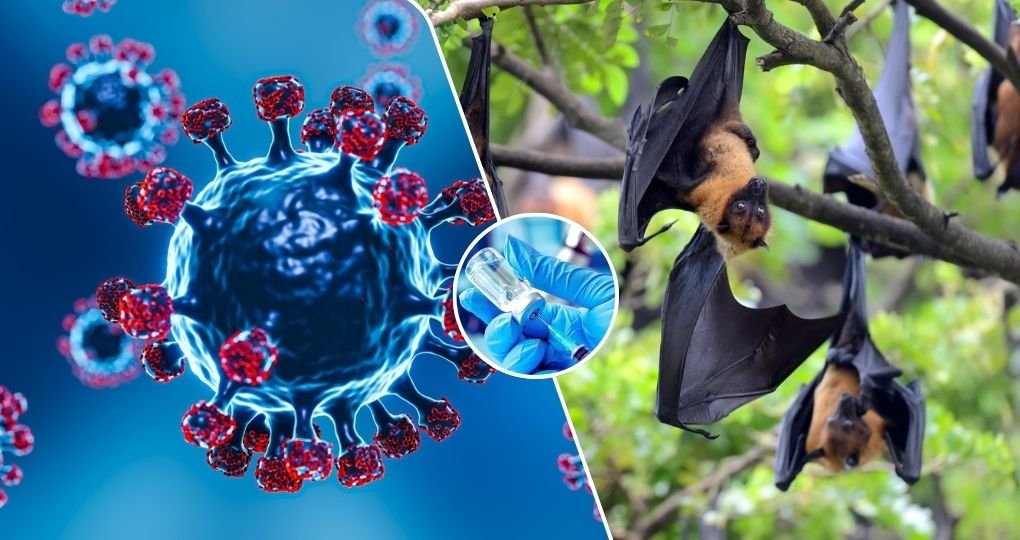
Spillover from fruit bats:
Fruit bats are the natural carriers of the virus. Infection can occur when food or drinks are contaminated with bat saliva or urine — most commonly raw date palm sap, and in some cases, contaminated fruit. -
Human-to-human transmission:
The virus can spread through close contact with an infected person’s body fluids, including respiratory secretions. This risk is especially high among caregivers and healthcare workers.
During the 2001 Siliguri outbreak, most cases were reported among hospital staff and visitors. In several outbreaks in Bangladesh, a significant proportion of infections were linked to person-to-person spread.
Is Nipah an Airborne Virus?
Health experts stress that Nipah is not airborne like measles. Transmission primarily occurs through direct contact and exposure to body fluids, rather than through the air over long distances.
However, in hospital settings, airborne precautions may be required during certain medical procedures that generate aerosols, such as intubation or suctioning, to protect healthcare workers.
Understanding how Nipah spreads is critical to preventing outbreaks, as early isolation, strict infection-control measures, and public awareness can significantly reduce transmission.