In a world obsessed with keto, fasting, and protein-heavy diets, cholesterol often gets sidelined—despite being one of the most critical markers of heart health. Experts say what you put on your plate daily can quietly make or break your cholesterol numbers.
Cholesterol rarely announces itself. There’s no pain, no warning signs—until it shows up as a heart attack or stroke. While many people understand the difference between “good” (HDL) and “bad” (LDL) cholesterol, far fewer realize how strongly everyday food choices influence these levels over time.
Processed foods, fried snacks, refined carbs, and even common staples like butter and full-fat cheese can gradually push LDL cholesterol higher. What’s often missed is that cholesterol control isn’t just about cutting fats—it’s about replacing them smartly.
Foods That Help Lower LDL Cholesterol
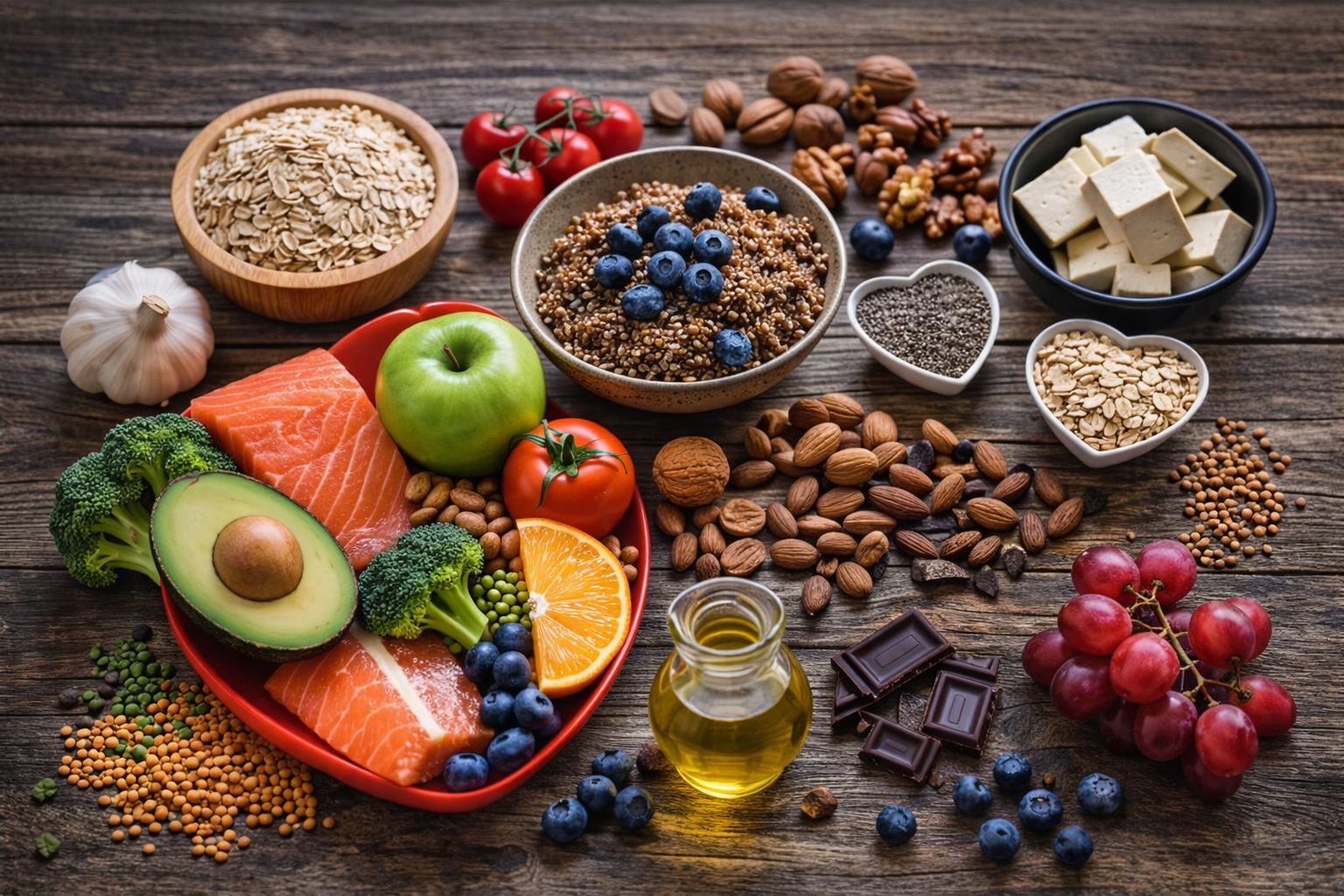
Nutrition experts consistently point to certain foods that actively support healthier cholesterol levels:
-
Oats and Whole Grains
Rich in soluble fibre, oats help trap cholesterol in the digestive system and remove it from the body before it enters the bloodstream. -
Fruits and Vegetables
Apples, citrus fruits, berries, leafy greens, and cruciferous vegetables provide fibre, antioxidants, and plant compounds that support heart health. -
Nuts and Seeds
Almonds, walnuts, flaxseeds, and chia seeds contain healthy fats that reduce LDL without lowering beneficial HDL cholesterol. -
Legumes
Lentils, chickpeas, beans, and peas are high in fibre and plant protein, making them effective alternatives to red meat. -
Healthy Fats
Olive oil, avocados, and fatty fish like salmon provide monounsaturated and omega-3 fats that improve cholesterol balance.
Why “Healthy” Isn’t Always Heart-Healthy
One of the biggest misconceptions is assuming all “healthy” diets automatically protect the heart. Weight loss-focused or low-carb diets may still be high in saturated fats, which can negatively impact cholesterol levels—even if calories are controlled.
Experts stress that heart health depends less on trendy labels and more on consistent food quality: whole foods, fibre-rich meals, and healthy fats chosen deliberately.