

Narendra Modi Calls for Coordinated Action to Tackle West Asia Crisis Impact
During the meeting, the Cabinet Secretary presented a detailed overview of the global geopolitical landscape and outlined mitigation strategies already implemented, along with those in the pipeline across multiple ministries and departments. The discussion focused on assessing the ripple effects of the conflict on critical sectors including agriculture, fertilisers, food security, petroleum, power, MSMEs, exports, shipping, trade, finance, and supply chains. The government carried out a thorough evaluation of the macroeconomic outlook, factoring in short-, medium-, and long-term global disruptions. Officials examined how the conflict could impact India’s economic stability and deliberated on both immediate countermeasures and long-term resilience strategies. A key priority of the meeting was ensuring the uninterrupted availability of essential commodities for citizens. Authorities reviewed the status of food, fuel, and energy security, with detailed plans discussed to maintain steady supply across all time horizons. The impact on farmers, particularly with regard to fertiliser availability for the upcoming Kharif season, was also assessed. The government expressed confidence that existing stockpiles, built over the past few years, would ensure timely supply. Additionally, alternative sourcing strategies for fertilisers were explored to strengthen future preparedness. On the energy front, officials confirmed that sufficient coal reserves at power plants would prevent any electricity shortages across the country. Measures to diversify import sources for key industrial inputs—such as chemicals, pharmaceuticals, and petrochemicals—were also discussed, alongside efforts to expand export markets for Indian goods. The Prime Minister directed the formation of dedicated groups of ministers and secretaries to adopt a “whole-of-government” approach in addressing the situation. Sector-specific teams will work closely with stakeholders to implement targeted interventions. Highlighting the global nature of the crisis, Modi noted that the conflict is continuously evolving and impacting economies worldwide. He stressed the need for coordinated action to shield Indian citizens from adverse effects. The Prime Minister also called for close coordination with state governments to prevent black-marketing and hoarding of essential commodities. Several policy measures proposed during the meeting are expected to be finalised and rolled out in the coming days.Chaired a meeting of the CCS to review the mitigating measures in the wake of the ongoing conflict in West Asia.
— Narendra Modi (@narendramodi) March 22, 2026
We had extensive discussions on short, medium and long term measures, including ensuring continued availability of fertilisers for farmers, diversifying import… pic.twitter.com/a0SQoGf39e
Related News
 OCT 10, 2026
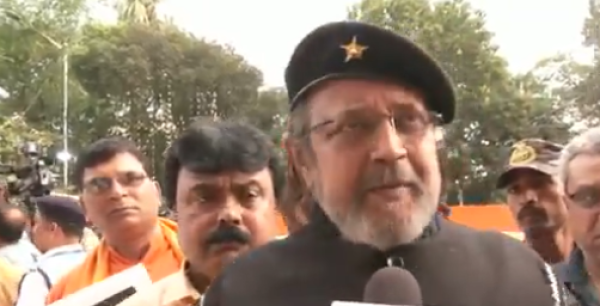
Mithun Chakraborty Says ‘Fear-Free Bengal Has Truly Arrived’
West Bengal government cultural advisor Mithun Chakraborty said the large festive turnout in Kolkata showed that a “fear-free Bengal” had arrived.
 OCT 10, 2026
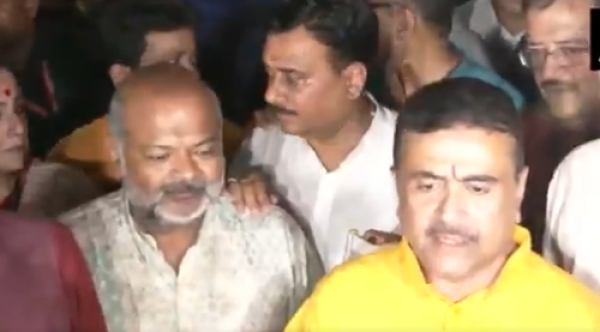
Suvendu Adhikari Praises Mahalaya Arrangements at Kolkata Ghats
West Bengal CM Suvendu Adhikari praised police, civic and river-security arrangements during Mahalaya, saying traditional Tarpan rituals passed peacefully across Kolkata’s ghats.
 OCT 10, 2026
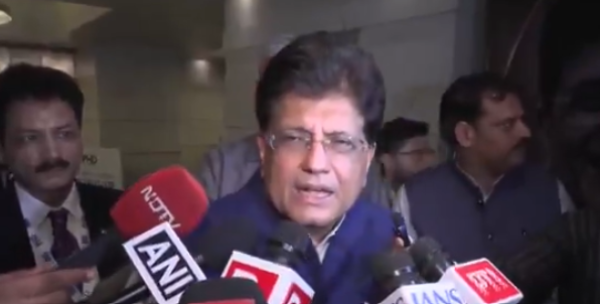
Piyush Goyal Slams Rahul Gandhi Over President Murmu Remarks
Piyush Goyal criticised Rahul Gandhi over his remarks following an Opposition meeting with President Droupadi Murmu, accusing him of disrespecting constitutional authority.
 OCT 10, 2026
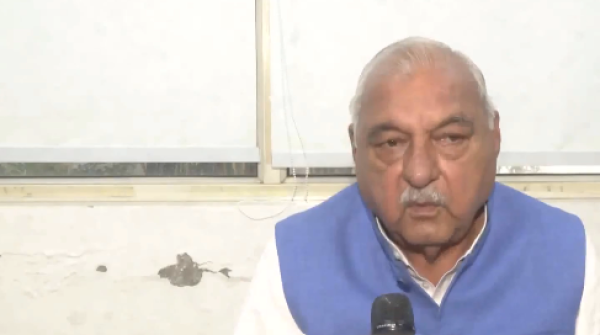
Bhupinder Singh Hooda Targets Haryana Govt Over MSP Procurement
Bhupinder Singh Hooda alleged that Haryana farmers are being forced to sell crops below MSP and also criticised detentions linked to opposition protests in Delhi.
Comments (0)