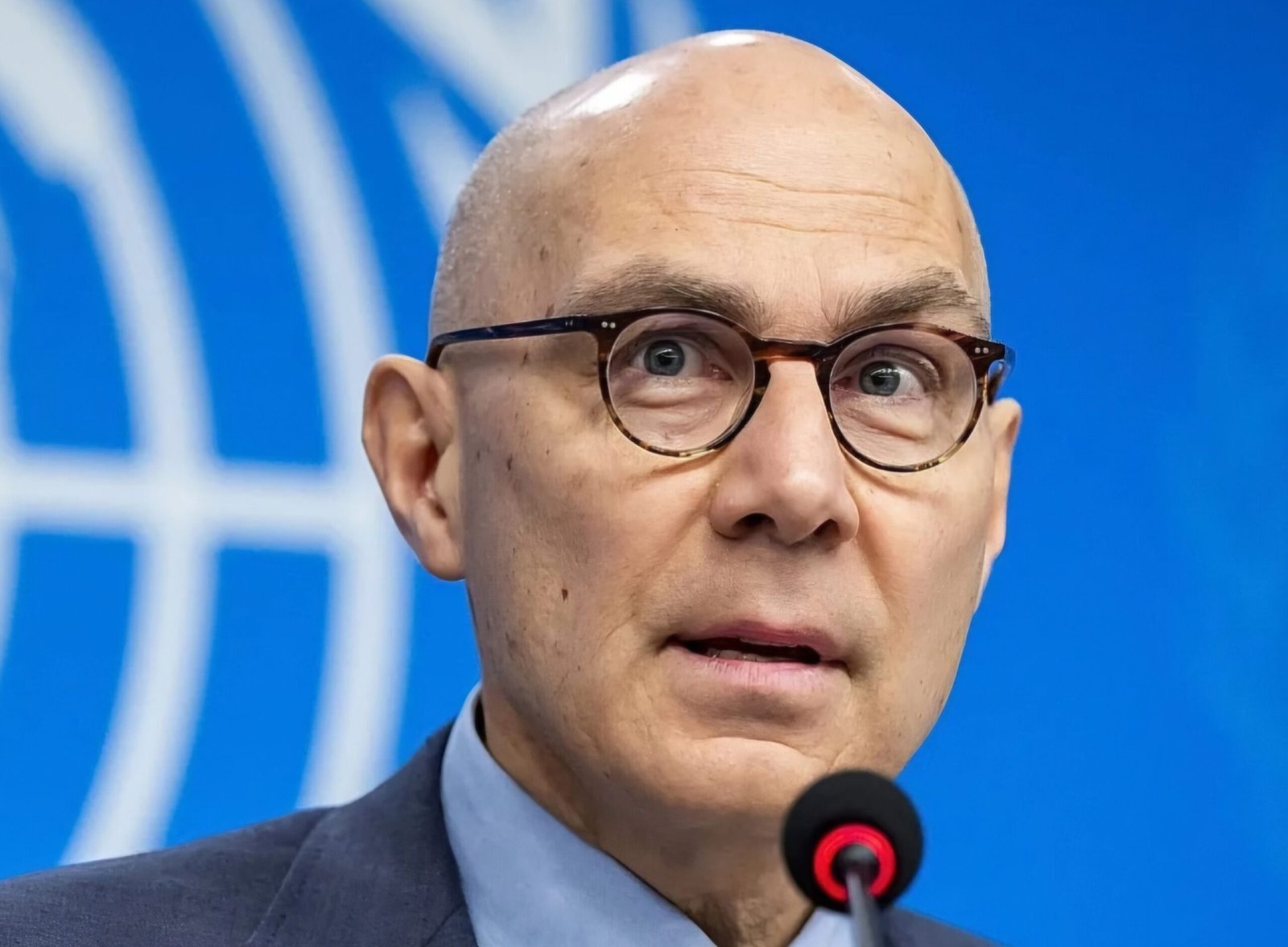
UN Human Rights Chief Volker Türk warned March 10 that the Middle East crisis’ “tit-for-tat” strikes on civilian sites—from Iran’s desalination plants and fuel facilities (sparking oil fires and “acid rain” fears) to Bahrain’s infrastructure—are amplifying risks across the region and globe. He decried attacks on homes, schools, hospitals, and energy grids, stressing: “Under the laws of war, civilians and civilian infrastructure must be protected at all costs. All parties are bound by these rules, and must be held to account if they do not.” Türk questioned compliance with international humanitarian law’s proportionality rules: “The world is watching.”
Wider fallout hits migrant workers, remittances, shipping via Hormuz and vulnerable economies via oil surges—underscoring renewable energy urgency. He also flagged repression of conflict opinions, urging freedom of expression and immediate releases.
"The strikes against vital civilian infrastructure in the Middle East are further increasing risks for populations across the region & beyond."@UNHumanRights chief @volker_turk stresses the imperative of accountability when the laws of war are violated.https://t.co/nuD3mZxFYA pic.twitter.com/y9JrNUGzZR
— United Nations (@UN) March 12, 2026