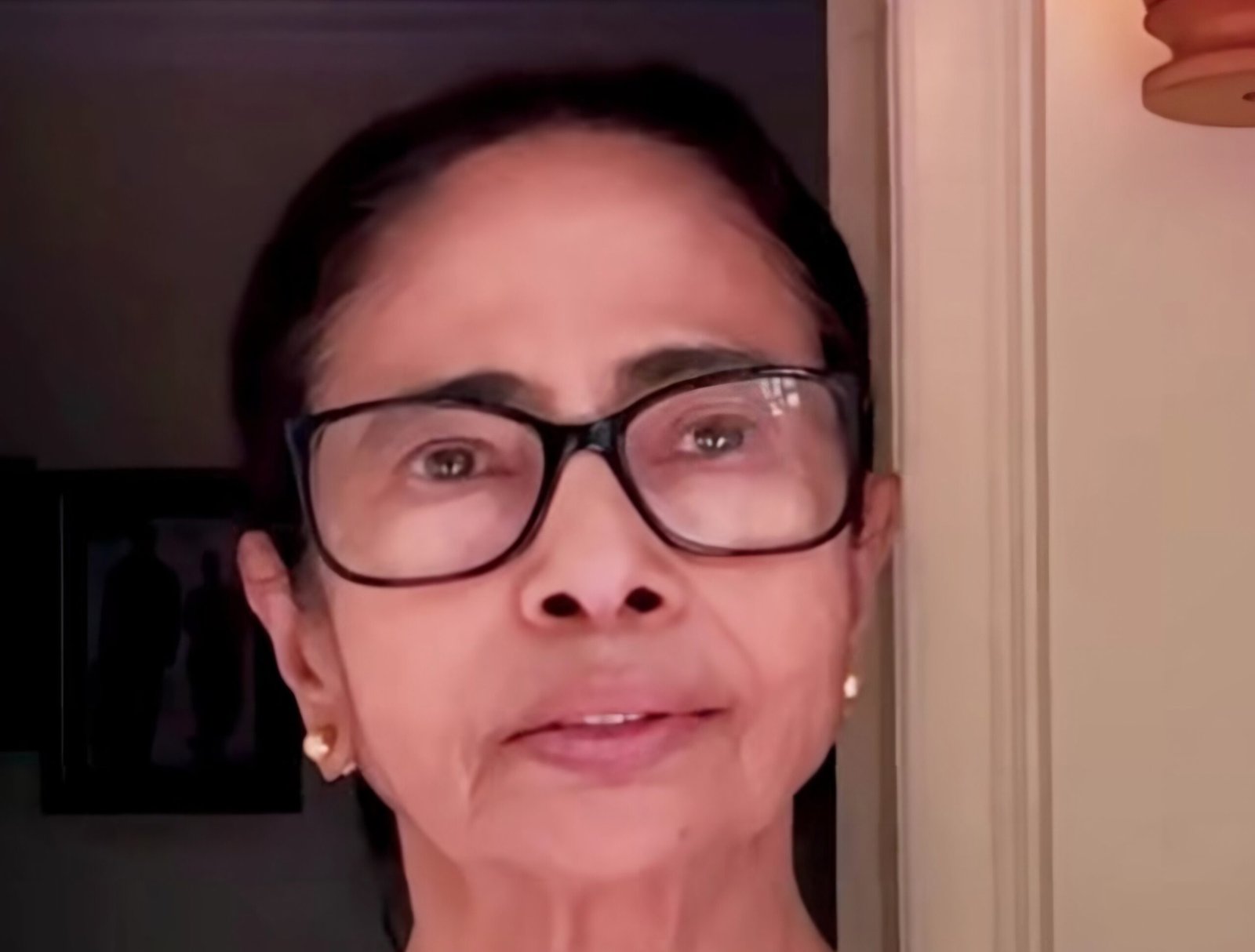
On the occasion of Pohela Boishakh, West Bengal Chief Minister and Trinamool Congress Supremo Mamata Banerjee extended her heartfelt greetings to the people of the state through a social media message that blended cultural pride with a strong political undertone.
রাজ্যের সকল প্রান্তের মানুষকে হৃদয়ের অন্তর থেকে জানাই বাংলা নববর্ষের শুভনন্দন। এই নবীন ঊষালগ্নে আপনাদের প্রত্যেকের জীবন হয়ে উঠুক গ্লানিমুক্ত। নতুনের এই আবাহনে প্রতিটি প্রাণ পবিত্রতায় ভরে উঠুক।
আমাদের বাংলা যেমন শিল্প-সংস্কৃতির পীঠস্থান, তেমনই সর্বধর্ম সমন্বয়ের পীঠস্থান। কিছু… pic.twitter.com/JXf0IcZovn
— Mamata Banerjee (@MamataOfficial) April 15, 2026
Invoking the spirit of the Bengali New Year, she began with the iconic lines, “Come, come, come O Baishakh,” urging for a fresh start by leaving behind the negativities of the past year. She wished happiness, good health, and a life free from impurities for every citizen, emphasizing spiritual renewal and positivity in the new year.
Highlighting Bengal’s rich legacy, Banerjee described the state as a vibrant hub of art, culture, and religious harmony. However, she also warned against what she termed as “evil forces” attempting to disrupt this social fabric. Without naming specific entities, she alleged that external influences were trying to interfere with democratic rights, particularly voting rights, and urged people to respond democratically.
In a strong call for unity, the Chief Minister encouraged citizens to rise above divisions and protect Bengal’s tradition of peace and inclusivity. She concluded her message with an appeal to support the Trinamool Congress and vote for its symbol, “Joraful,” in the upcoming elections to safeguard democratic values.
Her message resonated as both a festive greeting and a political appeal, reflecting the significance of culture and democracy in West Bengal’s socio-political landscape.