

Indian Vegetarian Curry Recipes: 3 Unique Regional Dishes Beyond Paneer

Indian Vegetarian Curry Recipes offer much more variety than the familiar butter paneer, shahi paneer and dal makhani. From creamy gravies to distinctive regional spices, Indian cuisine features several vegetarian dishes that combine traditional ingredients with interesting cooking techniques.
For those looking to explore something different from everyday paneer preparations, Chef Nar Singh, assistant sous chef at Bhog Indian Restaurant in New Jersey, shares three distinctive vegetarian curry recipes. These dishes highlight the versatility of ingredients such as pumpkin, makhana, cauliflower, pomegranate, lotus stem and walnuts.
The three recipes bring together different flavours and textures, offering a fresh perspective on Indian vegetarian cooking. While smoked pumpkin and makhana curry delivers a mildly sweet and creamy taste, anardana gobhi introduces a tangy twist to cauliflower. Meanwhile, lotus stem and walnut curry showcases the earthy richness and aromatic spices associated with Kashmiri-style cooking.
Whether you are planning a special vegetarian meal or simply want to experiment with new flavours in your kitchen, these Indian vegetarian curry recipes are worth exploring.
1. Smoked Pumpkin and Makhana Curry
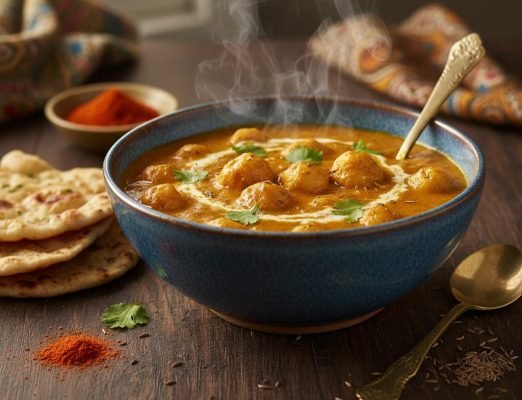
The first recipe combines the natural sweetness of pumpkin with the light, crunchy texture of makhana, also known as fox nuts. The pumpkin develops a slightly caramelised flavour when roasted or grilled, while the makhana adds an interesting textural contrast to the creamy gravy.
The combination of Indian spices, tomato puree and cream or cashew paste creates a rich curry that works well for lunch or dinner. A light smoking technique adds another layer of flavour, giving the dish a subtle wood-fired character.
Ingredients
400g pumpkin, cut into cubes
80g makhana (fox nuts)
1 onion, finely chopped
2 tomatoes, pureed
1 tablespoon ginger-garlic paste
1 teaspoon cumin seeds
½ teaspoon turmeric powder
1 teaspoon coriander powder
½ teaspoon Kashmiri chilli powder
½ teaspoon garam masala
2 tablespoons cream or cashew paste
1 tablespoon ghee
Salt to taste
Step-by-Step Preparation
Step 1: Roast the Makhana
Heat a dry pan over medium heat and add the makhana. Roast them until they become crisp, stirring occasionally to prevent burning. Remove them from the pan and keep aside.
Step 2: Roast the Pumpkin
Cut the pumpkin into evenly sized cubes. Roast or grill the pieces until they become slightly caramelised on the outside. This helps bring out their natural sweetness and adds depth to the curry.
Step 3: Prepare the Masala Base
Heat ghee in a deep pan. Add cumin seeds and allow them to release their aroma. Add the finely chopped onion and sauté until golden brown.
Step 4: Add Ginger-Garlic and Tomato Puree
Add ginger-garlic paste and cook until its raw smell disappears. Next, pour in the tomato puree and mix well.
Step 5: Add the Spices
Add turmeric powder, coriander powder and Kashmiri chilli powder. Cook the masala until it thickens and the ingredients combine into a rich gravy.
Step 6: Cook the Pumpkin
Add the roasted pumpkin cubes and a little water. Mix gently and allow the curry to simmer for approximately 8–10 minutes so the pumpkin absorbs the flavours of the spices.
Step 7: Finish the Gravy
Add cream or cashew paste to make the gravy smooth and creamy. Sprinkle garam masala and mix gently.
Step 8: Add the Makhana
Fold in the roasted makhana just before serving. This helps retain their crisp texture.
Chef's Special Twist
A light smoking technique can be used to introduce a subtle wood-fired flavour to the pumpkin. This gives the curry a distinctive aroma and makes it different from conventional vegetable gravies.
2. Anardana Gobhi Curry

If you enjoy tangy Indian gravies, anardana gobhi curry is another interesting dish to try. This recipe combines roasted cauliflower with anardana powder, which is made from dried pomegranate seeds.
The natural sweet-and-sour flavour of pomegranate balances the richness of the onion-tomato masala. Roasting the cauliflower before adding it to the gravy also gives the vegetable a slightly charred exterior and a deeper flavour.
This preparation offers a delicious alternative to traditional cauliflower curries.
Ingredients
500g cauliflower florets
1 onion, finely chopped
2 tomatoes, pureed
1 tablespoon ginger-garlic paste
1 teaspoon cumin seeds
1 teaspoon coriander powder
½ teaspoon turmeric powder
1 teaspoon anardana powder
½ teaspoon Kashmiri chilli powder
½ teaspoon garam masala
1 tablespoon ghee or oil
1 tablespoon roasted pomegranate seeds
Fresh coriander leaves
Salt to taste
Step-by-Step Preparation
Step 1: Roast the Cauliflower
Wash the cauliflower thoroughly and separate it into medium-sized florets. Roast the florets until they develop a golden colour and slightly charred edges. Keep them aside.
Step 2: Prepare the Tempering
Heat ghee or oil in a pan. Add cumin seeds and allow them to crackle, releasing their aroma into the oil.
Step 3: Cook the Onion
Add the finely chopped onion and sauté until it turns golden brown. This creates the flavourful foundation for the curry.
Step 4: Add Ginger-Garlic Paste
Add ginger-garlic paste and cook for a few minutes until its raw aroma disappears.
Step 5: Prepare the Tomato Masala
Add the tomato puree and mix well. Sprinkle turmeric powder, coriander powder and Kashmiri chilli powder.
Cook the mixture until the masala thickens and the oil begins to separate.
Step 6: Add the Roasted Cauliflower
Add the roasted cauliflower florets to the prepared masala. Stir gently so that the spices coat the florets evenly.
Step 7: Simmer the Curry
Pour in a little water to achieve the desired gravy consistency. Cover and simmer for approximately 5–7 minutes, allowing the cauliflower to absorb the flavours.
Step 8: Add Anardana and Finish
Add anardana powder and garam masala towards the end of cooking. Finish with roasted pomegranate seeds and fresh coriander leaves.
What Makes Anardana Gobhi Special?
The defining ingredient in this recipe is anardana powder. Its tangy and slightly fruity flavour cuts through the richness of the onion-tomato gravy.
The roasted cauliflower adds a pleasant smoky note, while pomegranate seeds provide additional texture and flavour. Together, these ingredients create a distinctive vegetarian curry that is both aromatic and satisfying.
3. Lotus Stem and Walnut Curry
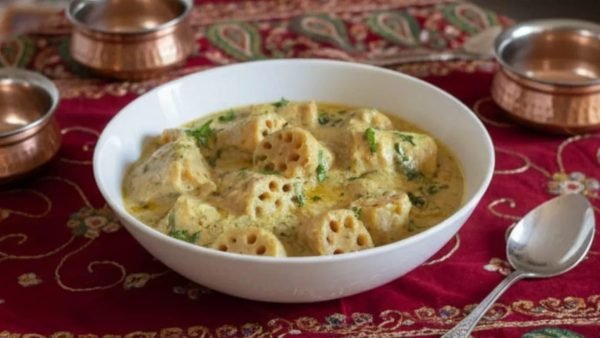
The third recipe takes inspiration from Kashmiri-style cooking, combining lotus stem, also known as nadru, with walnuts and aromatic spices.
Lotus stem is widely used in Kashmiri cuisine and is appreciated for its distinctive texture. When cooked with a yoghurt-based gravy and walnut paste, it develops a rich and earthy flavour.
Fennel powder, dry ginger powder, cardamom and cinnamon contribute to the characteristic aromatic profile of this preparation. The walnut paste adds natural thickness and creaminess to the gravy without relying entirely on dairy-based ingredients.
Ingredients
400g lotus stem (nadru), sliced
80g walnuts
1 onion, finely chopped
150g yoghurt
1 teaspoon fennel powder
½ teaspoon dry ginger powder
2 green cardamoms
1 black cardamom
1 small cinnamon stick
½ teaspoon turmeric powder
1 tablespoon mustard oil
250ml water
Salt to taste
Step-by-Step Preparation
Step 1: Prepare the Lotus Stem
Wash the lotus stem thoroughly and slice it into evenly sized pieces. Boil until tender but still slightly firm. Drain the water and keep the pieces aside.
Step 2: Prepare the Walnut Paste
Lightly roast the walnuts in a pan. Allow them to cool slightly before grinding them into a coarse paste. This paste will give the gravy its earthy flavour and creamy consistency.
Step 3: Heat the Mustard Oil
Heat mustard oil in a deep cooking pan. Add green cardamoms, black cardamom and cinnamon. Allow the whole spices to release their aroma.
Step 4: Sauté the Onion
Add the finely chopped onion and cook until it becomes lightly golden. Avoid browning it excessively, as the curry should retain its aromatic character.
Step 5: Add the Yoghurt
Lower the heat and gradually add whisked yoghurt while stirring continuously. This helps create a smooth gravy and reduces the chances of curdling.
Step 6: Add the Aromatic Spices
Add fennel powder, dry ginger powder and turmeric powder. Stir gently until the spices are evenly incorporated into the yoghurt mixture.
Step 7: Incorporate the Walnut Paste
Add the prepared walnut paste and mix thoroughly. Pour in the water gradually to achieve a smooth and moderately thick gravy.
Step 8: Cook the Lotus Stem
Add the boiled lotus stem slices to the gravy. Mix gently and allow everything to simmer for approximately 10–12 minutes.
Step 9: Adjust the Seasoning
Add salt according to taste and check the consistency of the gravy. Once the lotus stem has absorbed the flavours, remove the curry from the heat.
Serve hot with steamed rice or traditional Indian flatbreads.
What Gives This Curry Its Distinctive Kashmiri Flavour?
The combination of walnuts, fennel and dry ginger is the highlight of this recipe. Walnuts provide an earthy richness and creamy texture, while fennel contributes a sweet, aromatic note.
Dry ginger adds warmth to the gravy, creating a balanced flavour profile that complements the mild taste and firm texture of lotus stem.
Why Explore Regional Indian Vegetarian Curry Recipes?
Indian vegetarian cooking extends far beyond the familiar restaurant favourites. Different regions use locally available vegetables, nuts, seeds and spices to create distinctive curry preparations.
These three recipes demonstrate how everyday ingredients can be transformed into interesting dishes with the right cooking techniques.
Pumpkin and makhana: Combines natural sweetness, creamy gravy and crunchy fox nuts.
Anardana gobhi: Introduces a tangy pomegranate flavour to roasted cauliflower.
Lotus stem and walnut: Highlights Kashmiri-inspired spices and the earthy richness of walnuts.
Each preparation offers a different flavour experience, making them suitable for people who want to experiment with vegetarian cooking.
Final Thoughts
From the creamy smoked pumpkin and makhana curry to tangy anardana gobhi and aromatic lotus stem with walnuts, these Indian vegetarian curry recipes showcase the diversity of India's regional food traditions.
Shared by Chef Nar Singh of Bhog Indian Restaurant in New Jersey, the recipes offer fresh alternatives to familiar paneer-based dishes. With distinctive ingredients, balanced spices and simple step-by-step methods, they can bring something different to everyday home cooking as well as special vegetarian meals.
Related News
 NOV 12, 2026
Ranveer Brar Shahi Kaju Katli Recipe: A Royal Twist to the Classic Indian Sweet
Ranveer Brar Shahi Kaju Katli Recipe brings a luxurious twist to one of India's most loved traditional sweets. Kaju katli is a festive favourite, particularly during Diwali, when its delicate cashew flavour and smooth texture make it a popular choice for gifting and celebrations. Celebrity chef Ranveer Brar gives this classic mithai a premium makeover by combining a rich cashew base with rose syrup and desiccated coconut.
 NOV 12, 2026
Ranveer Brar Tres Leches Cake Recipe: A Rich Dessert with Fresh Berries and Mint
Ranveer Brar Tres Leches Cake Recipe is a delicious dessert that combines a light, fluffy sponge cake with a rich three-milk mixture, creamy topping and fresh fruit. If you enjoy indulgent desserts with a soft texture and delicate flavours, this Latin American classic is worth trying at home.
 NOV 10, 2026
Madhuri Dixit Latest Photos: Bollywood's Evergreen Diva Looks Absolutely Stunning in a Gorgeous Pink Saree
Madhuri Dixit latest photos are winning hearts with their beautiful combination of traditional elegance, radiant beauty and effortless glamour.
 NOV 10, 2026
Sakshi Malik Glamorous Photos: Actress Radiates Elegance, Confidence and Timeless Beauty in Golden Look
Sakshi Malik glamorous photos are capturing attention with a beautiful display of elegance, confidence and sophisticated fashion.