

Japanese Egg Sando Recipe: Nutritionist Shares a Creamy, Protein-Rich Version
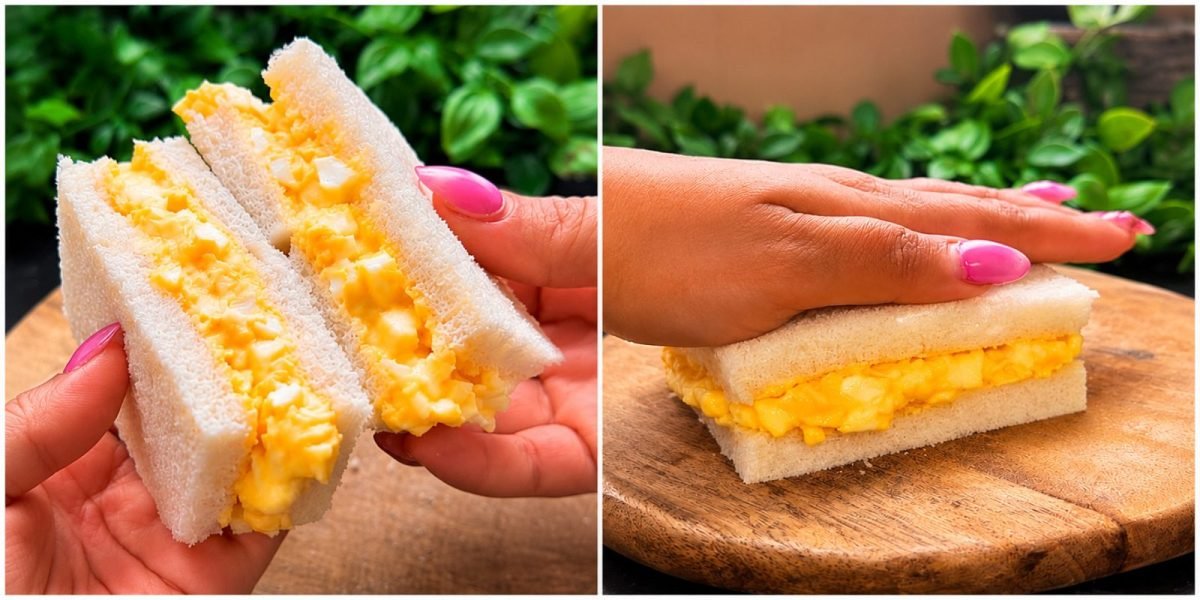
Japanese Egg Sando Recipe is gaining attention among food enthusiasts looking for a delicious, filling and protein-rich meal. Japanese egg sandwiches, popularly known as tamago sando, are loved for their soft white bread, creamy egg filling and delicate flavour. Now, certified nutritionist and digital content creator Aathira Sethumadhavan has given this popular Japanese comfort food a healthier makeover with a homemade Greek yoghurt-based mayonnaise.
On November 3, Aathira shared her version of the Japanese egg sando on Instagram, explaining how a simple change in the mayonnaise can make the sandwich more egg-focused while retaining its creamy texture and rich taste.
Instead of relying on store-bought mayonnaise, she prepared a homemade Kewpie-style spread using boiled eggs, Greek yoghurt, mustard, lemon juice and a little oil. The result is a soft, creamy filling that brings together flavour and nutrition.
According to the nutrition information shared with the recipe, each serving contains approximately 350 calories, 19 grams of protein, 22 grams of carbohydrates and 20 grams of fat. The recipe makes two servings, making it a convenient option for breakfast, lunch or a satisfying snack.
What Makes This Japanese Egg Sando Recipe Special?
The traditional Japanese egg sandwich is known for its simplicity. It generally consists of a creamy boiled egg filling placed between slices of soft, crustless white bread. Its smooth texture and mild flavour make it a popular choice at Japanese convenience stores, commonly known as konbini.
Aathira's version maintains the comforting qualities of the classic sandwich while introducing a homemade yoghurt-based mayonnaise.
Greek yoghurt adds creaminess to the spread, while boiled eggs provide additional protein. Dijon mustard and lemon juice bring a subtle tangy flavour, making the filling more interesting.
Another highlight is the use of extra egg whites, which adds to the egg content without making the filling overly heavy.
Ingredients for Japanese Egg Sando Recipe
The following ingredients are required to prepare two servings of this creamy Japanese egg sandwich.
1. Ingredients for Homemade Greek Yoghurt Mayo
1 boiled egg (50g)
1.5 tablespoons Greek yoghurt (25g)
1 teaspoon Dijon mustard
1 teaspoon lemon juice or vinegar (5g)
1 teaspoon oil (5g)
2 tablespoons warm water (30g)
1 teaspoon sugar (4g)
Salt to taste
A pinch of MSG (optional)
2. Ingredients for the Egg Filling
3 boiled eggs (150g)
1 additional boiled egg white (33g)
Salt to taste
Sugar to taste
3. Ingredients for the Bread
4 slices of white bread (approximately 72g), with crusts removed
1 tablespoon softened butter (14g)
1 teaspoon Dijon mustard (5g)
How to Make Japanese Egg Sando at Home
Preparing this Japanese egg sandwich is relatively simple. The key is to achieve a smooth, creamy mayonnaise and distribute the egg filling evenly between the bread slices.
Step 1: Prepare the Homemade Yoghurt Mayo
Start by adding one boiled egg, Greek yoghurt, Dijon mustard, lemon juice or vinegar, oil, sugar and salt to a blender.
Add a pinch of MSG if desired. Pour in the warm water gradually while blending the ingredients until the mixture becomes smooth and creamy.
The homemade mayonnaise should have a soft consistency that is easy to mix with the boiled eggs.
Step 2: Prepare the Creamy Egg Filling
Take the three boiled eggs and carefully separate the yolks from the whites.
Mash the egg yolks in a bowl and combine them with the prepared Greek yoghurt mayonnaise. Mix thoroughly until the ingredients form a smooth and creamy mixture.
Next, finely chop the three egg whites along with the additional boiled egg white. Fold them gently into the yolk and mayonnaise mixture.
Add salt and a little sugar according to your taste. Mix everything until the egg filling is evenly combined.
Step 3: Prepare the Bread Slices
Take the four slices of white bread and remove their crusts.
In a small bowl, combine the softened butter with Dijon mustard. Mix until the spread becomes smooth.
Apply the butter and mustard mixture evenly across all four bread slices, making sure to cover the edges as well.
This step adds flavour and helps create a delicious contrast with the creamy egg filling.
Step 4: Assemble the Japanese Egg Sandwich
Place two prepared bread slices on a clean surface.
Divide the creamy egg filling between the two slices, spreading it generously and evenly. Avoid pressing the filling too firmly, as the soft texture is an important feature of a Japanese egg sando.
Place the remaining two bread slices on top to complete the sandwiches.
Step 5: Wrap, Chill and Slice
Press the sandwiches gently to secure the filling.
Wrap each sandwich in cling film and allow it to rest for approximately 10 minutes. This helps hold the shape and makes slicing easier.
Remove the wrapping and cut each sandwich neatly, preferably through the middle, to reveal the creamy egg filling.
Your homemade Japanese egg sando is ready to serve.
Nutritional Information: Calories and Protein
One of the interesting aspects of Aathira's Japanese egg sando recipe is its nutritional profile. According to the figures shared alongside the recipe, each serving provides a combination of protein, carbohydrates and fats.
Nutritional Value | Per Serving |
|---|---|
Calories | 350 kcal |
Protein | 19g |
Carbohydrates | 22g |
Fat | 20g |
Note: These are approximate nutritional values shared with the original recipe. Actual values may vary depending on the ingredients and quantities used.
Tips to Make the Perfect Japanese Egg Sando
A few simple techniques can help you achieve the soft and creamy texture associated with Japanese egg sandwiches.
Use Soft White Bread
Soft white bread works particularly well because it complements the creamy filling. Removing the crusts also gives the sandwich its characteristic Japanese convenience-store appearance.
Blend the Mayonnaise Until Smooth
The homemade Greek yoghurt mayonnaise should have a creamy consistency. Add warm water gradually rather than pouring it all at once.
Avoid Overmixing the Egg Whites
Finely chopped egg whites provide texture to the filling. Fold them gently into the yolk mixture instead of blending everything together.
Allow the Sandwich to Rest
Wrapping the assembled sandwich for around 10 minutes helps it hold its shape, making it easier to cut and serve neatly.
Why Is Japanese Egg Sando Popular?
Japanese egg sando has become popular beyond Japan because of its simple ingredients, soft texture and comforting flavour. Unlike heavily flavoured sandwiches, it focuses on the natural taste of boiled eggs combined with a creamy dressing.
The sandwich is also easy to customise. While the traditional version often uses Japanese mayonnaise, homemade alternatives allow people to experiment with different ingredients and flavours.
Aathira Sethumadhavan's recipe offers another way to enjoy this classic dish by replacing conventional mayonnaise with a Greek yoghurt-based alternative. With its creamy filling and approximately 19 grams of protein per serving, it is an interesting addition to everyday meal ideas.
Whether served for breakfast, packed for lunch or enjoyed as an evening snack, this Japanese egg sando brings together simplicity, flavour and convenience.
Disclaimer: This article is based on a recipe shared by nutritionist and digital content creator Aathira Sethumadhavan on Instagram. The nutritional information has not been independently verified. Individual nutritional values may vary depending on ingredient brands and preparation methods.
Related News
 NOV 13, 2026
Madhuri Dixit Turns Heads With Timeless Beauty, Grace and Glamour in a Stunning Red Ensemble
Madhuri Dixit once again reminds everyone why she remains one of Bollywood’s most admired stars.
 NOV 13, 2026
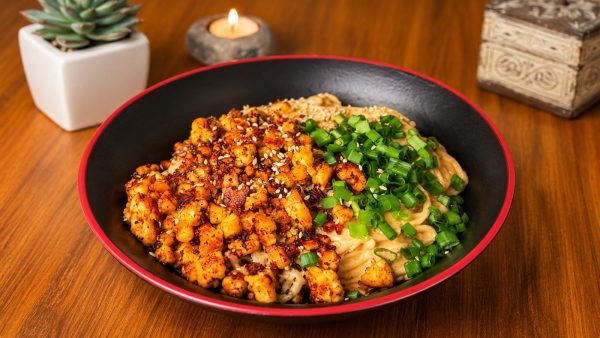
Chilli Oil Paneer Noodles Recipe: Make This Creamy and Spicy Dish at Home
Chef Saloni Kukreja shares a creamy, spicy noodle recipe featuring silky paneer sauce, garlic, chilli oil and golden fried paneer for an Asian-inspired meal.
 NOV 13, 2026
Indian Vegetarian Curry Recipes: 3 Unique Regional Dishes Beyond Paneer
Move beyond traditional paneer dishes with three distinctive Indian vegetarian curries featuring pumpkin, cauliflower, lotus stem and aromatic regional spices.
 NOV 12, 2026
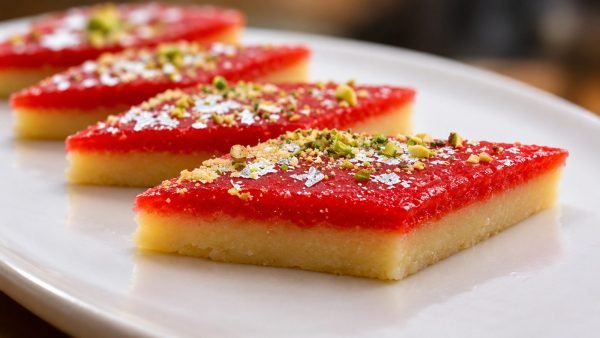
Ranveer Brar Shahi Kaju Katli Recipe: A Royal Twist to the Classic Indian Sweet
Ranveer Brar Shahi Kaju Katli Recipe brings a luxurious twist to one of India's most loved traditional sweets. Kaju katli is a festive favourite, particularly during Diwali, when its delicate cashew flavour and smooth texture make it a popular choice for gifting and celebrations. Celebrity chef Ranveer Brar gives this classic mithai a premium makeover by combining a rich cashew base with rose syrup and desiccated coconut.