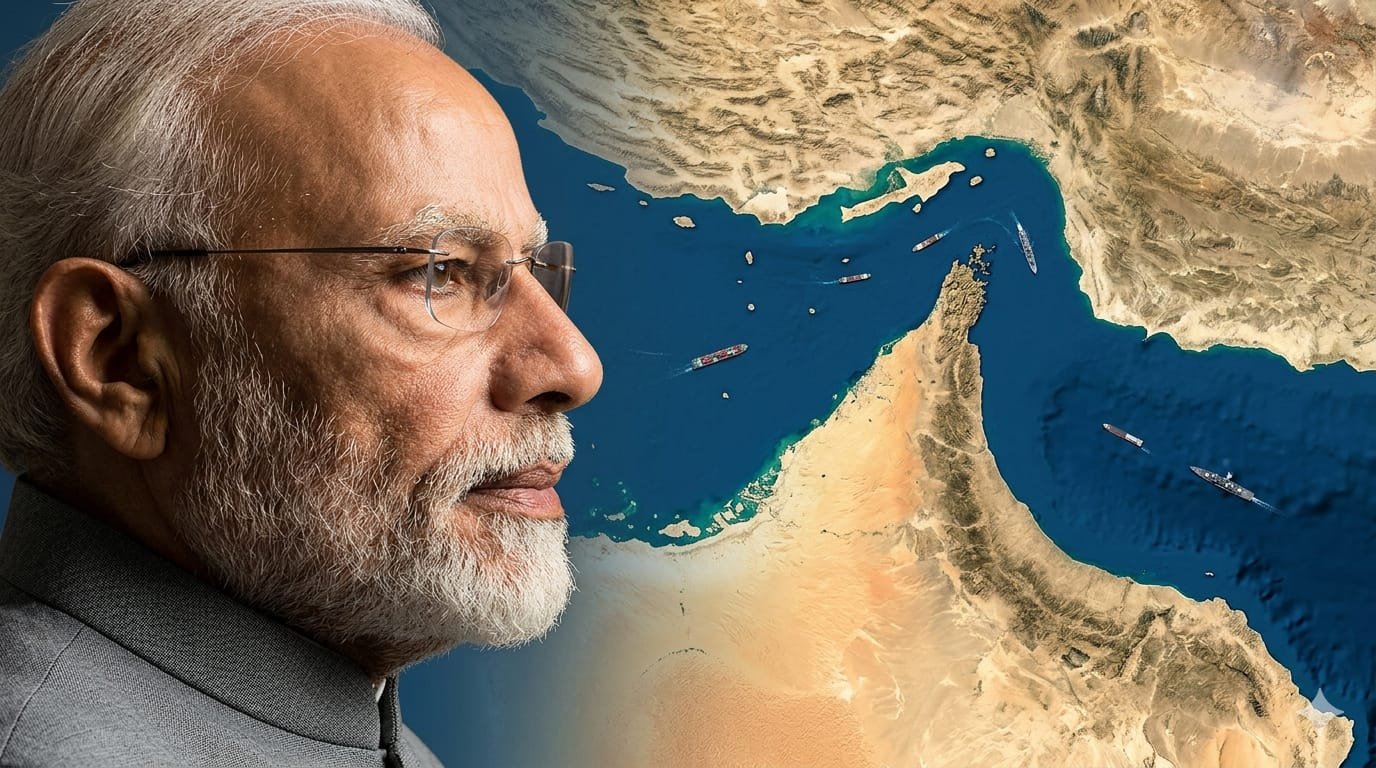
Prime Minister Narendra Modi on Monday addressed the Lok Sabha, outlining India’s comprehensive response to the ongoing West Asia conflict, which has now extended beyond three weeks and continues to disrupt global stability, energy markets, and human lives.
Highlighting the gravity of the crisis, the Prime Minister noted that the entire international community is urging a swift resolution. “The whole world is calling for the earliest possible end to this conflict,” he said, stressing the urgent need for de-escalation.
Speaking in the Lok Sabha. https://t.co/BIrR385m4O
— Narendra Modi (@narendramodi) March 23, 2026
India’s Strategic Concerns Amid the Conflict
The Prime Minister underscored India’s deep economic and strategic stakes in the region, citing extensive trade ties with West Asian nations, dependence on the region for crude oil and gas supplies, and the presence of nearly one crore Indians living and working across Gulf countries.
He emphasized that critical maritime routes, particularly the Strait of Hormuz, remain vital for India’s energy imports, making the situation especially sensitive.
Massive Evacuation and Citizen Support Efforts
Detailing the government’s response, PM Modi informed Parliament that over 3.75 lakh Indians have been safely evacuated since the conflict began, including around 1,000 nationals from Iran, many of them students.
Indian missions across affected regions have activated 24/7 emergency helplines, issued advisories, and ensured medical assistance for the injured. The Prime Minister also confirmed direct engagement with multiple West Asian leaders, all of whom assured the safety of Indian nationals.
Energy Security and Supply Chain Stability
Acknowledging disruptions in shipping through the Strait of Hormuz, the Prime Minister reassured citizens that fuel supplies remain stable nationwide. He highlighted India’s diversified energy import strategy, which has expanded sourcing from 27 to 41 countries over the past decade.
India’s Strategic Petroleum Reserve, currently exceeding 53 lakh metric tonnes, is being further expanded to enhance preparedness against global supply shocks.
“Continuous efforts have ensured uninterrupted supply of petrol and diesel across the country,” PM Modi said.
Push for Energy Transition and Self-Reliance
The Prime Minister pointed to major strides in renewable energy and alternative fuels, noting that ethanol blending has reached nearly 20%, significantly reducing crude oil imports.
He also highlighted:
Rapid expansion of metro rail networks
Electrification of railways, saving millions of litres of diesel annually
Deployment of electric buses
Growth in solar capacity from 3 GW to 140 GW
These measures, he said, are strengthening India’s long-term energy resilience.
Agriculture and Fertilizer Security Measures
Addressing concerns in the agriculture sector, PM Modi assured that farmers remain protected from global price shocks. He recalled how, during the COVID-19 pandemic, fertilizer prices were kept affordable despite global spikes.
India has also:
Commissioned six new urea plants
Increased domestic fertilizer production
Diversified import sources
Innovations such as Nano Urea and solar-powered irrigation under the PM-KUSUM scheme were highlighted as key steps toward sustainability.
Diplomatic Outreach and Call for Peace
Reiterating India’s diplomatic stance, the Prime Minister emphasized the need for dialogue and diplomacy. He confirmed ongoing engagement with leaders across West Asia to reduce tensions and ensure safe maritime movement.
“Attacks on civilians and disruption of global trade routes are unacceptable,” he said, reaffirming India’s commitment to peace.
Security Preparedness and National Unity
The Prime Minister also warned of internal security risks, stating that all agencies have been placed on high alert across coastal, border, cyber, and strategic domains.
Concluding his address, PM Modi called for national unity, vigilance, and resilience in the face of prolonged global uncertainty.
“When every citizen and every institution stands together, we can overcome any challenge,” he said.