

Air India AI2030 Diverted to Jaipur After Hijack Alert
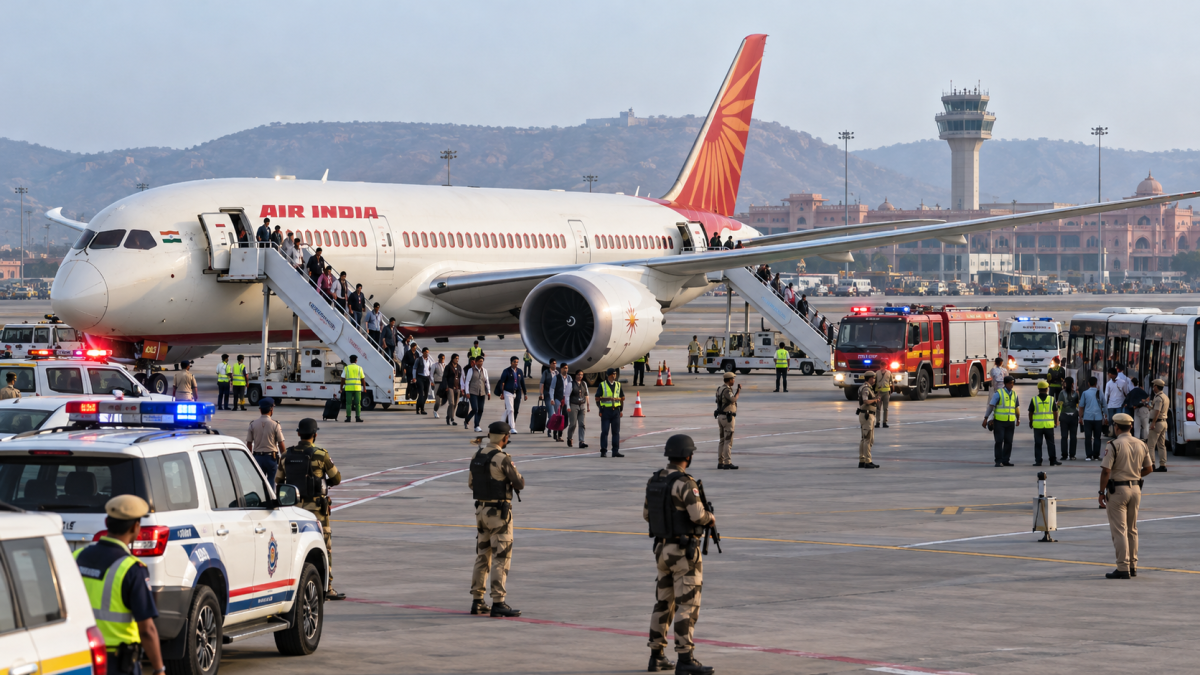
An Air India AI2030 hijack alert triggered an emergency diversion on Wednesday morning after the Frankfurt-Delhi flight transmitted Squawk Code 7500, prompting authorities to direct the Boeing 787-9 aircraft to Jaipur International Airport.
The aircraft landed safely at around 9:35 am and was immediately moved to an isolation bay for security checks. The flight was carrying 293 passengers and 13 crew members, taking the total number of people on board to 306.
Hijack Alert Triggers Emergency Diversion
According to initial information, the pilot activated Squawk Code 7500 while the aircraft was in the Mumbai Flight Information Region.
The code is internationally used to indicate unlawful interference with an aircraft, including a possible hijacking situation.
Following the signal, air traffic control initiated emergency procedures and the aircraft was diverted to Jaipur instead of continuing to Delhi.
Flight Taken to Isolation Bay
After landing, flight AI2030 was moved to a designated isolation bay within minutes.
Security personnel, including airport security and police teams, carried out checks on the aircraft as part of standard procedures following such an alert.
Assistant Commissioner of Police, Malviya Nagar, Shiv Dayal said police had been informed by airport authorities about the emergency landing following the security threat.
Passengers Safely Taken to Terminal
Passengers were subsequently deboarded and moved to the terminal building while security checks continued.
Airport officials said everyone on board was safe and there was no panic at the airport.
After completion of the security inspection, arrangements were made for passengers to board the same aircraft for the onward journey to Delhi.
Alert Turns Out to Be False
Preliminary reports later indicated that the Air India AI2030 hijack alert was not linked to an actual hijacking attempt.
Multiple reports suggested the signal may have been activated inadvertently, although authorities were continuing to examine exactly how Squawk Code 7500 was transmitted.
No confirmed security threat was found during the checks.
Conflicting Initial Reports Over Nature of Threat
Early reports described the incident variously as a bomb threat and a hijack alert.
However, an airport source later said the incident was associated with a suspected hijacking signal rather than a confirmed bomb threat.
Air India had not issued a detailed official explanation of the cause of the alert at the time of the initial reports.
Flight Cleared for Journey to Delhi
Following the security checks, authorities began preparing the aircraft and passengers for departure towards Delhi.
The incident caused a significant security response at Jaipur airport, but all passengers and crew remained safe throughout.
The Air India AI2030 hijack alert is now expected to be examined further to determine why the emergency code was transmitted and whether it resulted from human error or another technical or operational issue.
Related News
 OCT 14, 2026
India WPI Inflation Rises to 11.39% in September 2026
India’s wholesale inflation rose to 11.39% in September 2026 from 9.92% in August, driven by higher food, fuel, power and manufactured-product prices.
 OCT 14, 2026
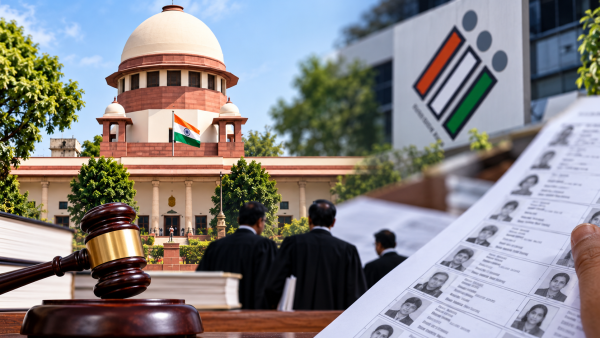
Supreme Court to Hear Delhi SIR Voter Notice Plea on October 28
The Supreme Court will hear on October 28 a plea seeking publication of the Delhi SIR voter notice list, including names of electors issued notices and specific reasons.
 OCT 14, 2026
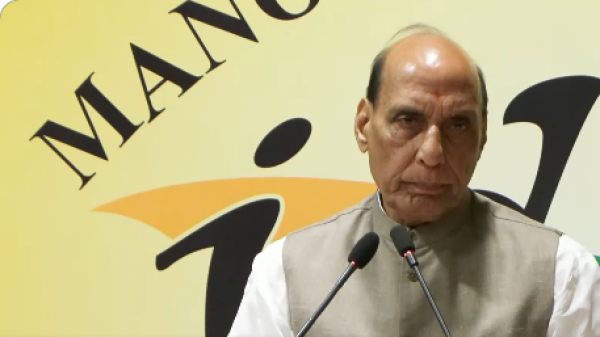
Rajnath Singh Proposes Joint India-ASEAN Defence Research Agenda
Union Defence Minister Rajnath Singh has proposed a joint India-ASEAN defence research agenda to strengthen cooperation in maritime security, cybersecurity, emerging technologies and disaster response. Speaking at the ASEAN-India Defence Think Tank Forum, he called for practical initiatives that translate dialogue and shared understanding into collaborative research and solutions.
 OCT 14, 2026
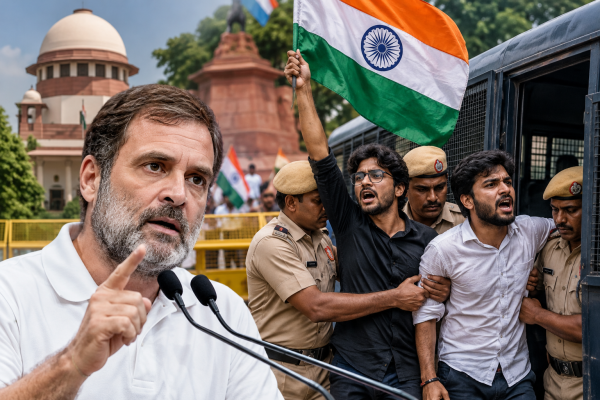
Rahul Gandhi Backs CJP Leaders Jailed Over Jantar Mantar Protest
Rahul Gandhi criticised the five-day judicial custody of CJP leaders Saurav Das and Ashutosh Ranka, saying peaceful protest and waving the Tricolour are not crimes.