

Bhagwant Mann Says Punjab Being Singled Out Over Stubble Burning
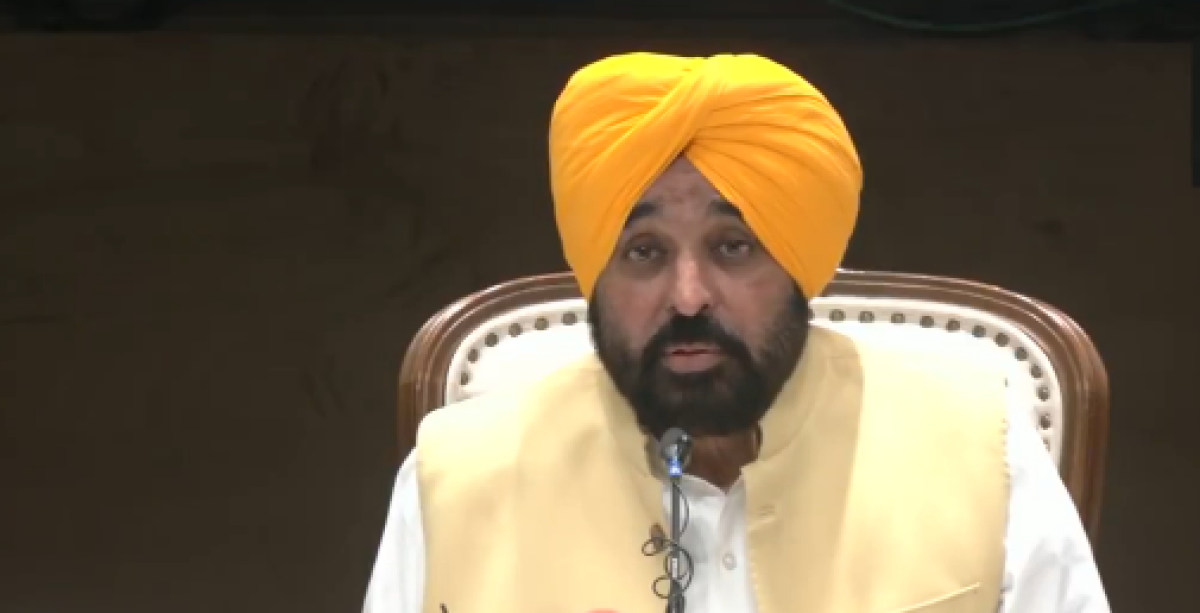
Punjab Chief Minister Bhagwant Mann on Friday accused critics of unfairly singling out Punjab over stubble burning and Delhi’s air pollution, saying crop-residue burning is a wider North India problem involving several states.
Speaking in Chandigarh, Mann pointed to paddy cultivation and farm fires in neighbouring states and argued that Punjab should not be treated as the sole source of Delhi’s pollution.
Mann Says Punjab Is Being ‘Defamed’
Mann said the focus on Punjab amounted to an attempt to damage the state’s image.
He questioned why similar scrutiny was not directed toward Haryana and Uttar Pradesh, where paddy is also cultivated and crop residue is burned.
Official 2026 data confirms that farm fires have also been recorded in Haryana and Uttar Pradesh, although Punjab has reported substantially more incidents this season.
Points to Ghaziabad, Faridabad and Other Regions
The Chief Minister said Delhi is surrounded by areas including Ghaziabad and Faridabad and also lies near Haryana, Rajasthan and Uttar Pradesh.
He argued that regional air pollution should therefore be examined across the entire airshed rather than attributed to one state.
Air-quality authorities similarly use multi-sector and multi-state assessments when examining Delhi-NCR pollution, including emissions from stubble burning, vehicles, industry, dust and other sources.
Sirsa and Mann Trade Charges Over Harvesting
Mann also criticised Delhi Environment Minister Manjinder Singh Sirsa, alleging that Sirsa had blamed Punjab’s smoke before paddy harvesting had properly begun in the state.
Sirsa has disputed Mann’s version, saying Punjab government data showed 77.38% of the paddy area had been harvested by November 2 and pointing to a sharp rise in farm fires during that period.
The exchange reflects an ongoing political dispute between the two governments over responsibility for deteriorating air quality.
Punjab Has Recorded More Than 5,000 Farm Fires
Punjab had recorded 5,517 farm-fire incidents by November 12, according to official figures cited in recent reports.
Ferozepur, Tarn Taran and Sangrur were among the districts reporting the largest numbers of cases.
At the same time, Punjab’s 2026 farm-fire tally has risen from the corresponding period last year, interrupting a previous declining trend.
Stubble Contribution to Delhi Pollution Varies by Day
The contribution of crop-residue burning to Delhi’s PM2.5 is not constant.
Between September 15 and November 9, stubble burning accounted for 5% or more of Delhi’s PM2.5 on 13 days, and exceeded 10% on only three of those days, according to official data reported by The Times of India.
However, the Decision Support System estimated the share at around 20.2% on November 4, during a period when Punjab farm fires had sharply increased.
This means stubble burning can be a significant contributor on some days while playing a smaller role on others, depending on wind, weather and the number and location of fires.
Mann Calls for Solution Instead of Blame
Mann said the Centre should focus on developing practical ways to manage crop residue rather than merely blaming farmers or individual states.
He argued that large-scale paddy procurement naturally creates a large volume of straw that must be managed.
Punjab has an approved 2026 procurement target of 180 lakh metric tonnes of paddy, and the state government has asked the Centre to raise that target to 200 lakh metric tonnes because arrivals have approached 180 LMT.
Punjab Seeks Greater Support for Stubble Management
Mann has previously proposed financial incentives for farmers to manage paddy residue without burning it.
In September, he suggested an incentive of around ₹1,500 per acre, arguing that penalties and FIRs alone would not solve the problem.
The Centre and the Commission for Air Quality Management have meanwhile directed Punjab, Haryana and Uttar Pradesh to implement action plans aimed at eliminating paddy stubble burning.
Supreme Court Also Flags Multiple Pollution Sources
The debate is not limited to crop burning.
During recent hearings on Delhi-NCR air pollution, the Supreme Court also highlighted vehicular traffic as a major source while discussing stronger systems for collecting and purchasing crop residue at the village level.
This reinforces the view that Delhi’s pollution results from several sources rather than a single factor.
Mann Calls It a North India Problem
The Bhagwant Mann stubble burning Punjab remarks centred on his argument that crop-residue burning and air pollution should be treated as a regional issue requiring coordinated action across North India.
He said Punjab was willing to be part of the solution but rejected what he described as attempts to assign the entire blame to the state.
Related News
 NOV 13, 2026
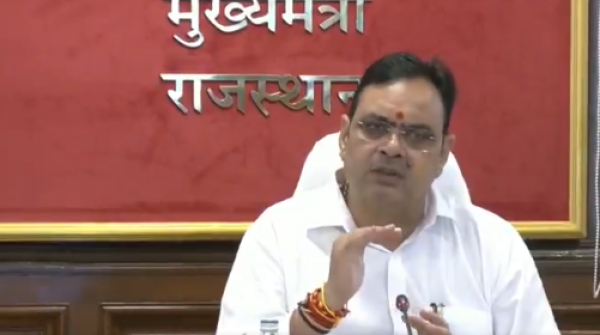
Rajasthan Chief Minister Bhajanlal Sharma
Rajasthan Chief Minister Bhajanlal Sharma reviewed drought-related relief and disaster management measures in Jaipur and directed departments to strengthen coordination and support.
 NOV 13, 2026
Chandrababu Naidu Seeks Qatar Investment in Andhra Pradesh at CII Summit
Andhra Pradesh Chief Minister N Chandrababu Naidu met Qatar’s Ambassador to India at the CII Partnership Summit and sought investment in ports, logistics, clean energy and food processing.
 NOV 13, 2026
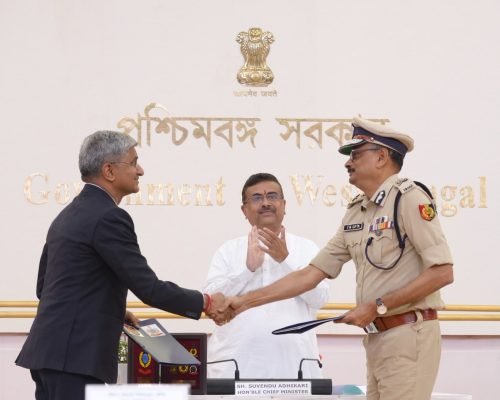
Suvendu Adhikari Launches West Bengal Police ‘Police Mitra’ App
West Bengal Chief Minister Suvendu Adhikari launched the Police Mitra app at Nabanna Sabhaghar, with West Bengal Police also signing an MoU with BPR&D.
 NOV 13, 2026
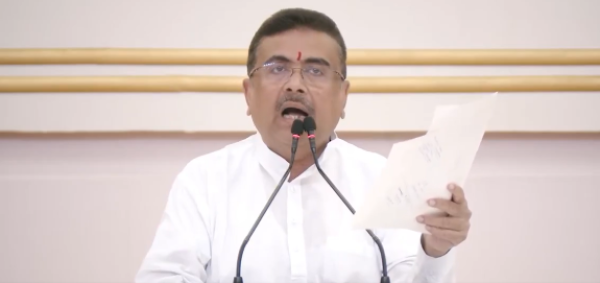
Bengal Orders 12,000 Ineligible Housing Beneficiaries to Refund Aid
West Bengal Chief Minister Suvendu Adhikari said around 12,000 ineligible rural housing beneficiaries had received government money and must return the funds.
Comments (0)