

Indian oil tankers set to get safe passage through the Strait of Hormuz following Jaishankar’s call with Iran.
India Secures Safe Passage for Oil Tankers Through Strait of Hormuz After Jaishankar’s Talks With Iran
New Delhi’s diplomatic outreach in West Asia yielded results on Thursday after Iran allowed Indian oil tankers to pass through the strategically vital Strait of Hormuz following discussions between External Affairs Minister S. Jaishankar and his Iranian counterpart Abbas Araghchi, sources told India Today.
The talks were aimed at ensuring that India’s energy supplies remain uninterrupted amid escalating tensions in the region.
The Strait of Hormuz is one of the world’s most critical maritime chokepoints, handling a large share of global crude oil and natural gas shipments. With the ongoing regional conflict raising fears of disruptions to shipping, New Delhi moved swiftly to safeguard the passage of its energy imports.
According to sources, the diplomatic engagement focused on keeping the sea route open for Indian vessels so that shipments of crude oil and liquefied petroleum gas (LPG) could continue without major disruption.
India relies heavily on energy imports, making stability in Gulf shipping lanes essential for its energy security. While Iranian authorities have reportedly permitted Indian tankers to continue using the route, vessels linked to the United States, Europe and Israel are currently facing restrictions in the waterway.
Sources also said Jaishankar held consultations with other key international counterparts on the issue.
The External Affairs Minister spoke with Russia’s Sergey Lavrov and France’s Jean-Noël Barrot to discuss the evolving situation and efforts to maintain stability in the region’s critical shipping lanes.
Earlier this month, Iran’s Islamic Revolutionary Guard Corps (IRGC) announced that the Strait of Hormuz had effectively been closed to shipping and warned that any vessel attempting to pass through the waterway could be targeted, according to Iranian state media.
The statement marked a significant escalation in the confrontation involving Iran, Israel and the United States.
Tensions surged further after Iran’s Supreme Leader Ali Khamenei was reportedly killed in a joint US-Israeli strike.
Energy Price Shock Hits India
The conflict involving the US, Israel and Iran, along with instability around the Strait of Hormuz, has triggered disruptions in India’s commercial LPG supplies, severely impacting the hospitality sector.
Restaurants in cities including Bengaluru, Chennai and Mumbai have warned of potential closures as deliveries of commercial LPG cylinders remain disrupted.
Industry groups say supplies have been halted since Sunday, leaving many establishments struggling to continue operations.
Nearly 20 per cent of hotels and restaurants in Mumbai have reportedly shut down, while the Chennai Hotels Association has urged Prime Minister Narendra Modi to ensure urgent LPG supplies.
On March 7, domestic LPG prices were raised across India, with the price of a 14.2-kg household cylinder increasing by Rs 60. Commercial LPG cylinders also saw a hike of around Rs 115.
However, shortages have triggered black-marketing in some areas, with consumers reportedly paying between Rs 2,000 and Rs 2,500 per cylinder.
Hours before India secured relief on Hormuz shipping, Prime Minister Narendra Modi directed Union ministers to closely monitor attempts to spread panic over LPG supplies and firmly counter misleading information.
According to sources, the prime minister raised the issue during a Cabinet meeting, asking ministers to challenge what he described as opposition-driven narratives, particularly on social media.
Modi reportedly stressed that the supply challenges stem from global developments rather than domestic factors, while assuring that the government is prepared to manage any disruptions effectively.
Related News
 OCT 14, 2026
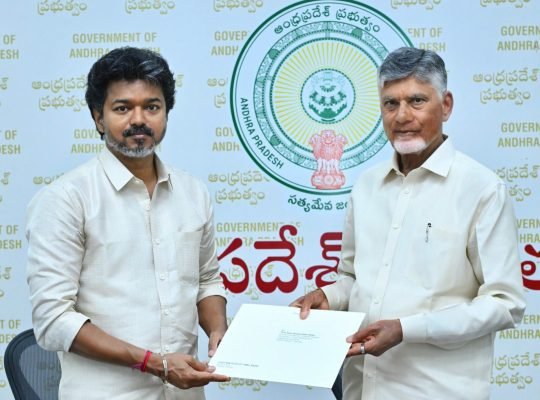
Joseph Vijay, Chandrababu Naidu Discuss Water Sharing
Andhra Pradesh CM N. Chandrababu Naidu said the state had released 4.08 TMC of water to Chennai and would consider additional supplies based on availability and requirements, as he discussed river interlinking with Tamil Nadu CM Joseph Vijay.
 OCT 14, 2026
PM Modi Highlights India’s $700 Billion Forex Reserves
PM Narendra Modi highlights India’s $700 billion forex reserves, banking strength, GST reforms and measures to improve the ease of doing business.
 OCT 14, 2026
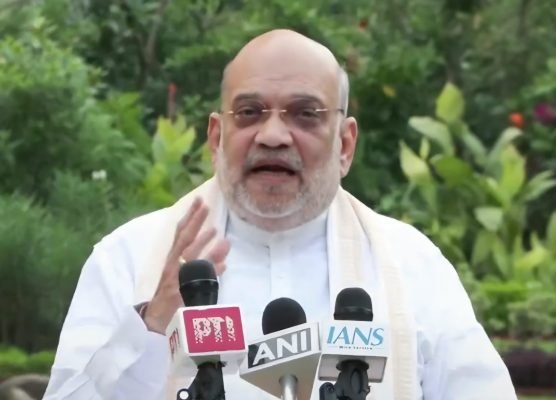
Amit Shah Says Rahul Gandhi Must Introspect as Congress Fails to Win Cited Seats
Union Home Minister Amit Shah has hit back at Rahul Gandhi over SIR allegations, urging Congress to introspect while citing BJP victories in West Bengal and an NDA win in Puducherry.
 OCT 14, 2026
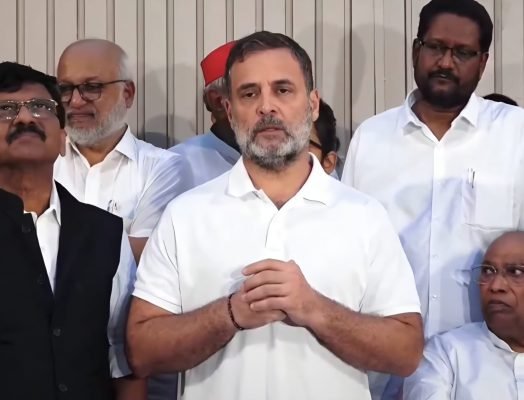
Rahul Gandhi Vows to Fight to Restore Democracy in India
Leader of Opposition Rahul Gandhi has vowed to continue the fight to restore democracy in India, criticising restrictions on protests and accusing the government of undermining democratic institutions and the electoral process.
Comments (0)