

Nepal Flash Floods: Death Toll Crosses 1,000, Nearly 4,000 Missing
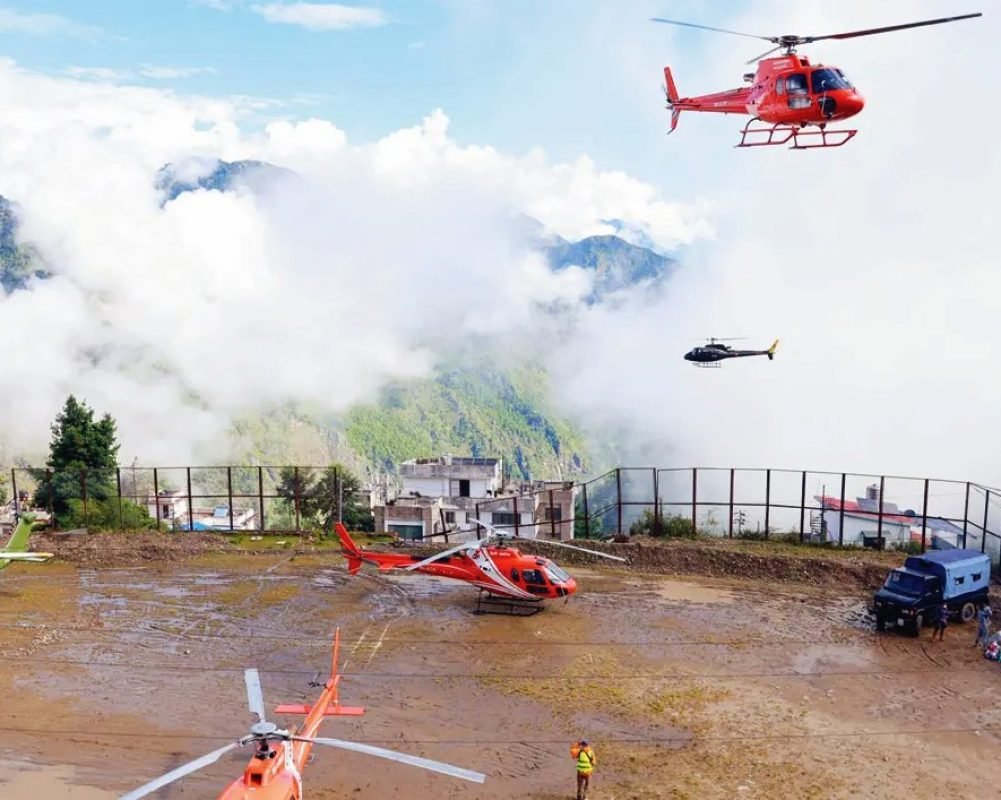
Nepal Flash Floods have left the Himalayan nation facing a devastating humanitarian crisis, with the death toll crossing 1,000 as rescue teams continue to recover bodies from flood-affected areas. Nearly 4,000 people are still reported missing following the catastrophic floods and landslides that struck several parts of Nepal.
The disaster has caused widespread destruction, damaged roads and infrastructure and disrupted communication networks in affected areas. Rescue and relief teams are continuing operations despite difficult terrain and challenging weather conditions.
Nepal's Prime Minister Balendra Shah said the devastating flood that entered Rasuwa was linked to climate change, highlighting growing concerns over the impact of extreme weather events on the Himalayan region.
Nepal Flash Floods Leave Thousands Missing
The scale of the disaster has continued to emerge as rescuers reach areas that were previously inaccessible. More bodies have been recovered during ongoing search operations, pushing the reported death toll beyond 1,000.
At the same time, nearly 4,000 people remain missing, raising concerns that the number of casualties could increase as rescue teams gain access to isolated communities.
The floodwaters and landslides have affected roads and other vital infrastructure, making it difficult for emergency personnel to reach some of the worst-hit locations.
Rescue Operations Continue
Authorities and rescue agencies are working to locate missing people and provide assistance to survivors. Teams are facing significant logistical challenges because several roads have been damaged or washed away.
In some remote areas, rescuers have had to depend on alternative routes and other emergency measures to reach stranded residents.
The continuing rescue operation is also focused on identifying recovered bodies and helping families determine the whereabouts of missing relatives.
Climate Change Concerns Grow
Prime Minister Balendra Shah has attributed the devastating flooding in Rasuwa to climate change.
His remarks have drawn attention to the increasing vulnerability of Nepal's mountainous regions to extreme weather.
Nepal is particularly exposed to climate-related hazards because of its geography. Mountain communities can face severe consequences when intense rainfall triggers flash floods, landslides and sudden changes in river levels.
The latest Nepal Flash Floods have once again highlighted concerns about disaster preparedness and the need for stronger climate resilience across vulnerable Himalayan communities.
Widespread Damage Across Affected Areas
The floods have caused extensive damage in several locations, with homes, roads and other infrastructure affected by rapidly moving water and landslides.
The destruction of transportation links has complicated relief operations. Communities cut off by damaged roads and bridges have faced difficulties receiving food, medical assistance and other essential supplies.
Related News
 OCT 14, 2026
Ashwini Vaishnaw Calls for Higher R&D Spending
Union Minister Ashwini Vaishnaw calls for increased R&D investment and application-oriented research, highlighting India's indigenous 4G telecom stack deployed across more than 100,000 towers through government-private sector collaboration.
 OCT 14, 2026
Abhijeet Dipke Calls CJP an Independent Pressure Group, Rules Out Party Registration
Cockroach Janta Party founder Abhijeet Dipke says the group will remain an independent pressure group and denies plans to register as a political party, while citing a common cause with the INDIA bloc.
 OCT 14, 2026
Piyush Goyal, Maninder Sidhu Discuss Next Steps in India-Canada CEPA Talks
Union Minister Piyush Goyal held discussions with Canadian Trade Minister Maninder Sidhu on advancing CEPA negotiations to expand market access, trade and investment opportunities.
 OCT 14, 2026
PM Modi Highlights Global Challenges and India’s Path to Strategic Leadership
Prime Minister Narendra Modi has outlined India’s distinct approach to global power, highlighting trust, reliable supply chains and strong partnerships amid geopolitical conflicts, trade disruptions and rapid AI-driven transformation.