

SAU-RCSS South Asia Dialogue Opens With Call for Flexible Regional Cooperation
The inaugural lecture of the SAU-RCSS South Asia Dialogue has called for a more flexible and trust-based approach to regional cooperation, with former Sri Lankan Foreign Secretary H.M.G.S. Palihakkara arguing that South Asian countries should move beyond rigid institutional constraints.
Palihakkara delivered the inaugural lecture on “Regional Cooperation: Reflections on SAARC and Beyond” as part of the new dialogue series jointly launched by the South Asian University in New Delhi and the Regional Centre for Strategic Studies in Colombo.
The initiative was formally launched on October 23, 2026.
Palihakkara Calls for ‘Variable Geometry’
Palihakkara argued that SAARC has gradually become constrained by what he described as a pattern of non-cooperation.
He suggested adopting “variable geometry”, under which groups of willing countries could move ahead on specific areas of cooperation even when all members were unable to reach agreement.
According to Palihakkara, this approach could allow progress on economic and functional cooperation while leaving deeply contested political issues aside.
Questions Unanimity Requirement in SAARC
The former Sri Lankan diplomat also questioned the way unanimity operates within SAARC decision-making.
He argued that the unanimity requirement can function like a veto and suggested that regional cooperation should not depend on every member agreeing on every issue.
Palihakkara pointed to ASEAN and other regional organisations as examples where countries with political and territorial disagreements have nevertheless pursued economic cooperation.
Trust-Based Connectivity Highlighted
The SAU-RCSS South Asia Dialogue also focused on the importance of rebuilding trust among countries in the region.
Palihakkara argued that connectivity initiatives would be more effective when supported by mutual confidence and practical cooperation rather than being held hostage to wider political disputes.
His remarks reflected a broader call for regional institutions to prioritise areas where cooperation remains possible.
Event Connected Participants Across South Asia
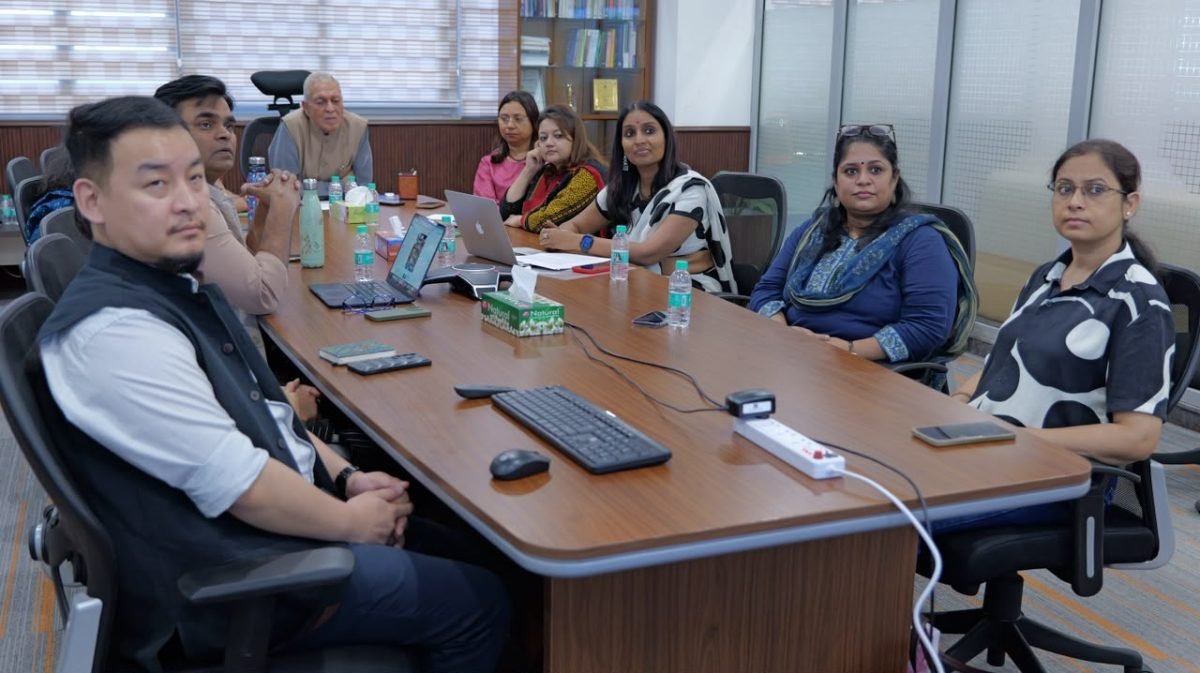
The inaugural session was held from the RCSS office in Colombo while participants joined virtually from different countries.
The programme connected SAU students and faculty, RCSS members, alumni, scholars and other South Asia specialists.
The discussion was chaired by Professor Chaminda Padmakumara of the Department of International Relations at the University of Colombo, who was also the first Sri Lankan PhD graduate from South Asian University.
SAU and RCSS Partnership Built Around Regional Research
The dialogue follows a Memorandum of Understanding signed between SAU and RCSS on August 31, 2026.
RCSS Executive Director Ambassador Ravinatha Aryasinha said the partnership was intended to strengthen South Asian identity through independent research, policy dialogue, publications and engagement among younger scholars from SAARC countries.
SAU Highlights Cross-Border Knowledge Building
South Asian University President Professor K.K. Aggarwal highlighted the importance of creating spaces for dialogue across national boundaries.
He said the partnership reflected SAU’s wider mandate to build knowledge networks and strengthen academic collaboration across South Asia.
The university described the initiative as part of its effort to create transformative cross-border networks.
Dialogue Brings Academics and Practitioners Together
SAU Associate Professor Dr Shweta Singh, one of the co-convenors of the initiative, said the series was intended to bring together academics, practitioners, scholars and young people.
She highlighted the importance of exploring South Asia not merely as a geographical region but also as an epistemic category shaped by shared knowledge, history and intellectual exchange.
Focus on People-to-People Engagement
The closing discussions also emphasised the importance of regional institutions and people-to-people connections.
The initiative seeks to create a sustained platform where scholars, policymakers and students can discuss issues affecting South Asian cooperation beyond formal diplomatic channels.
SAARC Cooperation Remains Stalled
SAARC has struggled to maintain regular high-level political engagement in recent years, with summit-level activity effectively stalled.
Palihakkara argued that South Asia could learn from regional organisations that have continued economic and institutional cooperation despite unresolved bilateral disputes.
He said flexible arrangements could help prevent political disagreements from paralysing all forms of regional collaboration.
Dialogue Aims to Build Long-Term Regional Networks
The SAU-RCSS South Asia Dialogue is being developed as an ongoing academic and policy platform rather than a one-time event.
Organisers say future sessions will continue bringing together scholars, officials, practitioners and younger researchers to examine cooperation, regional identity and shared challenges across South Asia.
Related News
 NOV 10, 2026
Kapil Mishra Highlights Family Recreation Zone at Namo Yamuna River Safari
Delhi Tourism Minister Kapil Mishra said the Namo Yamuna River Safari at Sonia Vihar combines an electric cruise with family recreation, food and entertainment facilities.
 NOV 10, 2026
Delhi LG Reviews East Delhi Hub at Karkardooma, Orders Faster Completion
Delhi Lieutenant Governor V K Saxena reviewed the East Delhi Hub project at Karkardooma and directed DDA and NBCC to accelerate pending work and statutory clearances.
 NOV 10, 2026
NCW Receives Around 1.5 Lakh Complaints Annually, Domestic Violence Tops Cases
NCW Chairperson Vijaya Rahatkar said the commission receives around 1.5 lakh complaints every year and that domestic violence accounts for the largest share.
 NOV 10, 2026
Himachal Pushes Improved Dairy and Goat Breeds to Strengthen Rural Economy
Rampur SDM Harsh Amarender Singh said Himachal Pradesh is working with the Animal Husbandry Department to introduce improved dairy and goat breeds for farmers.
Comments (0)