

West Bengal CM Announces ₹10,000 Monthly Pension for Emergency-Era Prisoners
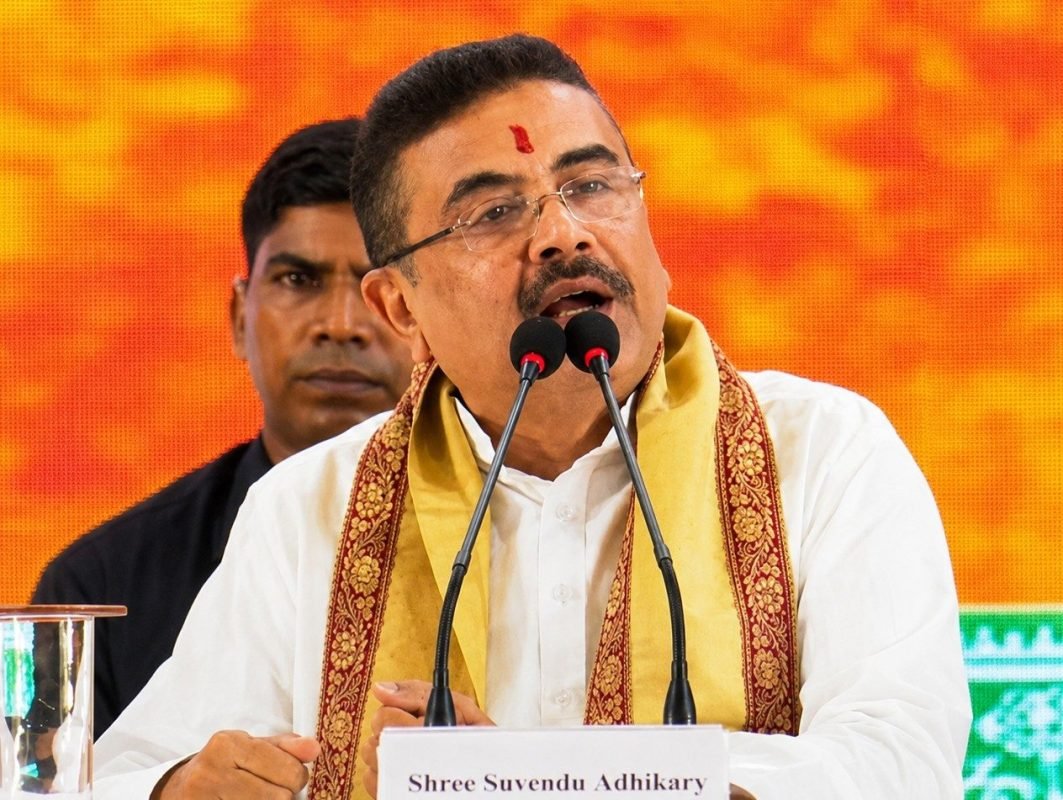
West Bengal Emergency pension has been announced for 325 people who were jailed for participating in protests during the Emergency, with Chief Minister Suvendu Adhikari declaring a monthly financial assistance of ₹10,000 for the beneficiaries.
The announcement was made on Sunday as the state government moved to formally recognise individuals who were imprisoned during the Emergency period for their participation in protests.
The initiative is aimed at acknowledging those who, according to the state government, faced imprisonment during a significant and controversial period in India's democratic history.
₹10,000 Monthly Pension for 325 Beneficiaries
Under the newly announced West Bengal Emergency pension scheme, 325 eligible individuals will receive ₹10,000 every month.
The financial assistance is being presented as a recognition of their contribution and the difficulties they faced after being jailed during the Emergency.
The announcement comes as part of the state government's broader initiative to honour individuals associated with the democratic movement during the period.
Emergency Period and Political Detentions
The Emergency was imposed in India in June 1975 and remained in force until March 1977. During this period, several political leaders, activists and protesters were detained across the country.
The state government's latest decision focuses on people from West Bengal who were jailed for participating in protests during the Emergency.
The West Bengal Emergency pension is therefore being positioned as both a financial support measure and a form of official recognition.
Government to Recognise Emergency-Era Protesters
The pension announcement follows the state's decision to introduce a special recognition programme for those who were imprisoned during the Emergency.
The beneficiaries are being recognised as Loktantra Senanis, or fighters for democracy.
The initiative seeks to acknowledge their role in protests during the period and preserve the memory of their experiences for future generations.
Additional Welfare Benefits
Alongside the ₹10,000 monthly pension, the broader recognition scheme has also included additional benefits for eligible Loktantrahonourarium
These provisions include:
₹10,000 monthly honourarium
₹1,000 monthly medical assistance
Free travel on state government buses
Government healthcare-related support
Identity cards for recognised beneficiaries
In the event of the death of an eligible beneficiary, the announced provisions also include benefits for the surviving spouse, subject to applicable rules.
Why the Announcement Is Significant
The West Bengal Emergency pension announcement has historical and political significance because it formally recognises people who were imprisoned during one of the most debated periods in India's post-Independence political history.
The Emergency remains an important subject in discussions about civil liberties, democratic institutions and political rights in India.
By providing financial assistance to eligible former detainees, the state government has sought to acknowledge their participation in protests during that period.
Focus on Democratic Values
The government's initiative also places emphasis on the importance of democratic values and political participation.
The decision to provide a monthly pension means the recognition is not limited to a ceremonial honour.
Eligible beneficiaries are also being provided with continuing financial and healthcare support.
The state government's programme is expected to provide assistance to the 325 people identified as having been jailed for participating in protests during the Emergency.
The West Bengal Emergency pension scheme will provide ₹10,000 per month to 325 people who were jailed for participating in protests during the Emergency, according to Chief Minister Suvendu Adhikari's announcement.
The initiative forms part of the state's broader Loktantra Senani recognition programme, which also provides medical assistance and other benefits to eligible beneficiaries.
The move seeks to recognise a significant chapter in India's democratic history while providing financial and welfare support to those who faced imprisonment during the Emergency.
Related News
 OCT 9, 2026
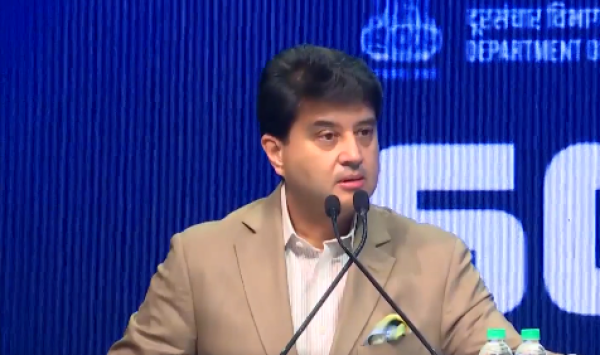
Jyotiraditya Scindia Clarifies Starlink Licence Process in India
Jyotiraditya Scindia Starlink licence remarks came after Rahul Gandhi and Elon Musk’s exchange, with the minister saying three firms are at the same regulatory stage.
 OCT 9, 2026
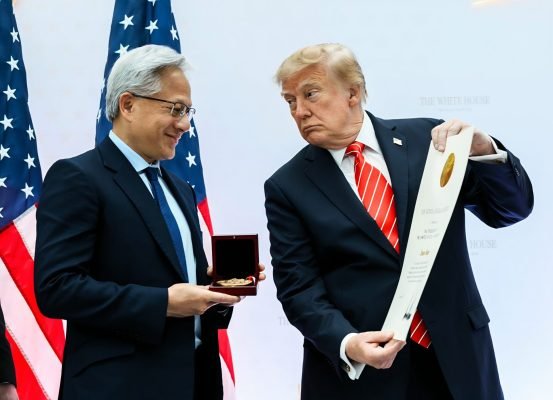
Trump Presents National Medal of Science to NVIDIA CEO Jensen Huang
US President Donald Trump presents the National Medal of Science to NVIDIA CEO Jensen Huang, recognising his contributions to AI, GPU computing, supercomputing and semiconductor innovation.
 OCT 9, 2026
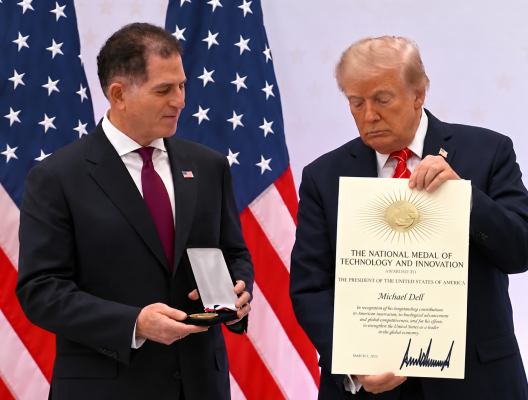
Trump Praises Michael Dell for Transforming Personal Computing
President Donald Trump has praised Michael Dell for transforming a $1,000 idea developed in his University of Texas dorm room into a revolution in personal computing.
 OCT 9, 2026
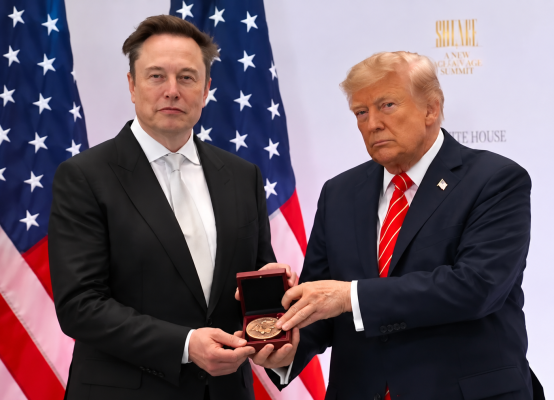
Trump Hails Elon Musk as ‘Titan’ of Technology
U.S. President Donald Trump has praised Elon Musk as an “industrial titan” and brilliant engineer, calling him one of the greatest technology founders ever to live. Trump also compared Musk to Thomas Edison and highlighted his contribution to American technological innovation.