

Bobbili Ekanda Veena Presented to PM Modi in Bhogapuram
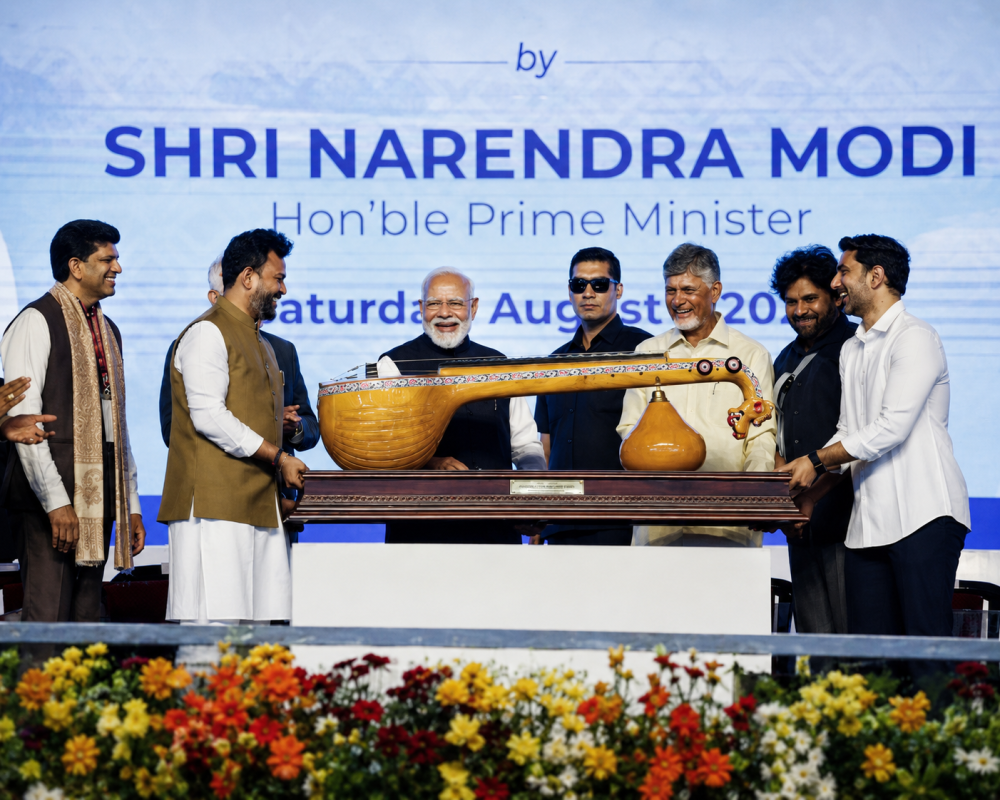
Bobbili Ekanda Veena was presented to Prime Minister Narendra Modi during his visit to Bhogapuram, highlighting the rich cultural and musical heritage of Andhra Pradesh. The exquisitely handcrafted traditional instrument reflects the skill, dedication and artistic traditions passed down through generations of artisans.
The presentation of the Bobbili Ekanda Veena served as a significant cultural moment, bringing attention to one of Andhra Pradesh's most distinctive contributions to India's classical music tradition. Known for its detailed craftsmanship and unique construction, the Bobbili Veena has long been associated with the artistic legacy of the Bobbili region.
Bobbili Veena and Andhra Pradesh's Musical Heritage
The Bobbili Ekanda Veena occupies a special position in India's long-standing musical tradition.
The veena itself is one of the country's most revered classical musical instruments and has been closely associated with Indian classical music for centuries.
The Bobbili tradition is particularly renowned for its craftsmanship. Artisans carefully work with wood and other materials to create instruments that combine musical functionality with intricate artistic detailing. Each instrument represents not only a musical object but also the cultural identity and craftsmanship of the region.
The presentation to PM Modi in Bhogapuram
therefore carries significance beyond the occasion itself. It highlights the importance of preserving traditional crafts and ensuring that India's diverse cultural heritage continues to receive recognition.
A Symbol of Traditional Craftsmanship
The creation of a Bobbili Veena requires considerable skill and patience. Traditional artisans rely on techniques that have been refined over generations.
The shaping, carving, finishing and assembly of the instrument demand precision to ensure that the final product meets both artistic and musical requirements.
The Bobbili Ekanda Veena is an example of how India's traditional handicrafts remain closely connected with the country's performing arts. Its craftsmanship demonstrates the relationship between artisanship and music, with every instrument carrying the imprint of the maker's expertise.
PM Modi's Bhogapuram Visit Highlights Local Heritage
The presentation of the Bobbili Ekanda Veena to Prime Minister Narendra Modi in Bhogapuram also brought the cultural traditions of Andhra Pradesh into the spotlight.
While Bhogapuram is associated with major infrastructure and development initiatives, the presentation of a traditional musical instrument added an important cultural dimension to the occasion. It showcased how local heritage can be represented alongside modern development.
Such moments provide greater visibility to traditional artisans and craftspeople whose work contributes to India's cultural identity. Recognition of traditional instruments such as the Bobbili Veena can also encourage greater awareness among younger generations about the country's artistic heritage.
Why the Bobbili Ekanda Veena Matters
The importance of the Bobbili Ekanda Veena lies in the combination of music, craftsmanship and history that it represents.
India has a vast range of traditional musical instruments, each connected to particular regions, communities and artistic traditions. The Bobbili Veena represents Andhra Pradesh's contribution to this cultural landscape.
Preserving such traditions requires continued support for skilled artisans, awareness of traditional craftsmanship and appreciation for indigenous musical instruments. When an instrument like the Bobbili Veena receives national attention, it can help create wider awareness about the people and traditions behind its creation.
Preserving India's Intangible Cultural Heritage
Traditional musical instruments are an important part of India's intangible cultural heritage. Their significance extends beyond their physical form because they carry knowledge, techniques and cultural practices passed from one generation to another.
The story of the Bobbili Ekanda Veena demonstrates why preserving traditional craftsmanship remains important in an increasingly modernised world.
Supporting artisans and promoting traditional instruments can help ensure that these skills continue to survive and evolve.
Bobbili Veena: A Blend of Art and Music
One of the distinctive features of the Bobbili tradition is the close connection between visual craftsmanship and musical performance. The instrument is designed to serve a musical purpose while also showcasing the artistic abilities of its makers.
From the selection and preparation of materials to the detailed finishing, the creation of a traditional veena involves multiple stages of specialised work. The result is an instrument that represents both functional artistry and cultural expression.
The Bobbili Ekanda Veena presented to PM Modi thus represents more than a handcrafted gift. It is a reflection of Andhra Pradesh's artistic traditions and the continuing contribution of its artisans to India's cultural heritage.
Cultural Heritage Meets Modern India
The presentation of the Bobbili Ekanda Veena in Bhogapuram underlines the continuing relevance of traditional Indian crafts in contemporary India.
As the country embraces new technologies, infrastructure and modern economic opportunities, preserving traditional knowledge remains equally important. Cultural heritage provides a link between generations and helps communities maintain their unique identities.
The recognition of the Bobbili Veena can therefore be viewed as an appreciation of both the artisans who create it and the musical traditions that have sustained it over the years.
The presentation of the Bobbili Ekanda Veena to Prime Minister Narendra Modi in Bhogapuram showcased the rich cultural legacy of Andhra Pradesh. The handcrafted instrument stands as a symbol of India's deep musical heritage and the extraordinary skills of traditional artisans.
The occasion also highlights the importance of preserving indigenous crafts and musical traditions. By bringing instruments such as the Bobbili Veena into the national spotlight, greater attention can be given to the artisans, techniques and cultural knowledge that keep India's diverse heritage alive.
Related News
 OCT 22, 2026
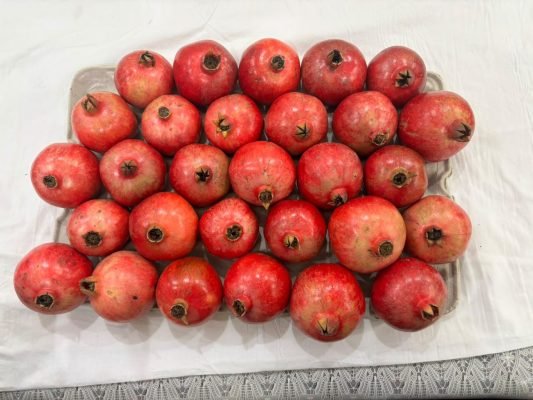
Kullu’s Sinduri Pomegranates Make Their Way to Dubai
Kullu’s Sinduri pomegranates are gaining international recognition, with 1.3 metric tonnes exported to Dubai through APEDA’s support, opening new opportunities for Himachal Pradesh’s farmers.
 OCT 22, 2026
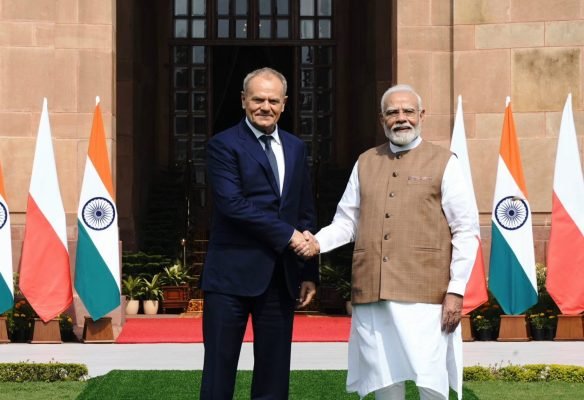
PM Modi Welcomes Poland PM Donald Tusk at Hyderabad House
Prime Minister Narendra Modi welcomes Polish Prime Minister Donald Tusk at Hyderabad House as India and Poland look to strengthen their strategic partnership and explore new avenues of cooperation.
 OCT 22, 2026
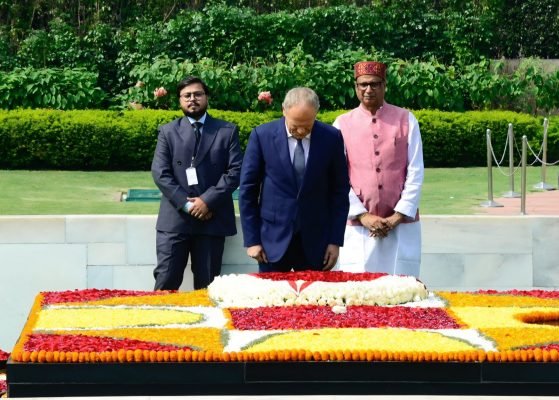
Polish PM Donald Tusk Pays Tribute to Mahatma Gandhi
Polish Prime Minister Donald Tusk paid floral tributes to Mahatma Gandhi at Rajghat in New Delhi, honouring the global legacy of peace and non-violence.
 OCT 22, 2026
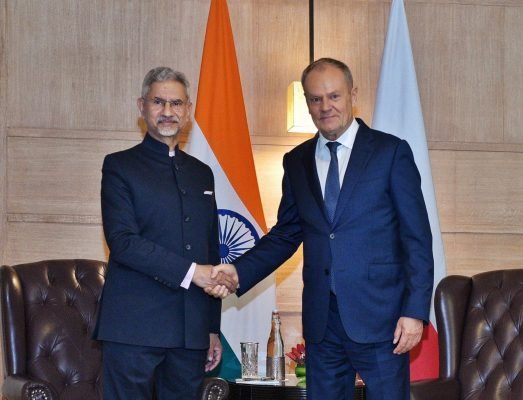
Jaishankar Meets Donald Tusk, Discusses India-Poland Ties
External Affairs Minister S Jaishankar met Polish Prime Minister Donald Tusk and discussed expanding bilateral cooperation ahead of Tusk’s meeting with PM Narendra Modi.