

CR Kesavan Targets Sonia Gandhi’s Memoir, Calls It ‘Whitewashing’
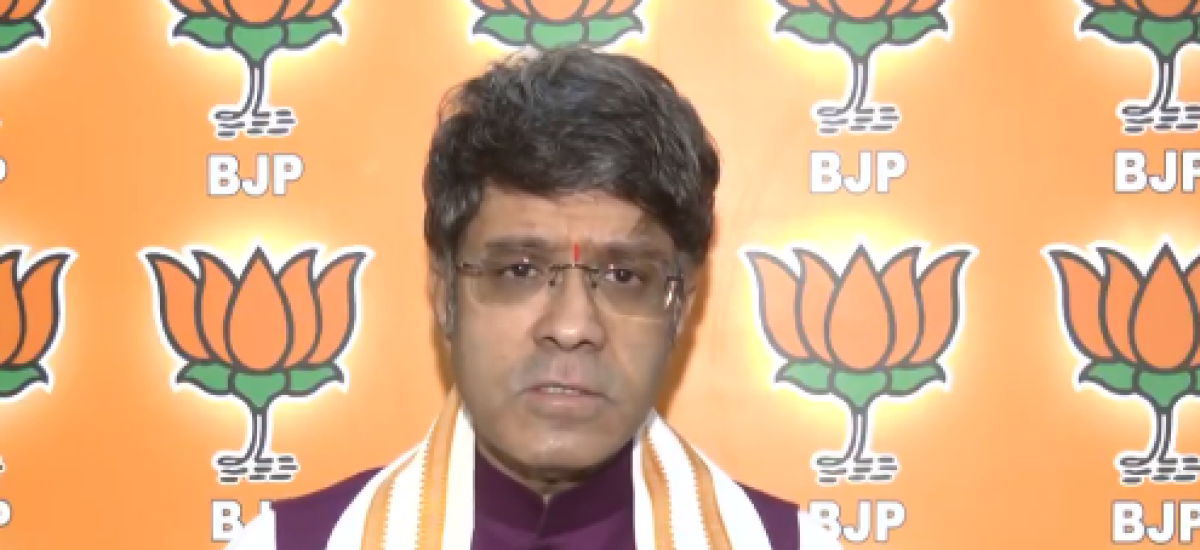
BJP national spokesperson C R Kesavan on Tuesday launched a sharp attack on Congress Parliamentary Party chairperson Sonia Gandhi over her memoir Belonging: A Journey of Love, saying the book could instead have been titled “Whitewashing”.
Speaking in Chennai, Kesavan alleged that the memoir sought to soften or defend controversial episodes associated with the Nehru-Gandhi family and previous Congress governments.
His remarks came on the day the memoir was released in India.
Kesavan Questions Sonia Gandhi’s Babri Masjid Remarks
Kesavan referred to Gandhi’s account of the December 6, 1992 demolition of the Babri Masjid, during which she has said she broke down in tears while watching events unfold.
He contrasted that account with the 1984 anti-Sikh violence, asking whether she had expressed similar grief for those killed during the attacks on Sikhs.
The comparison and criticism represent Kesavan’s political argument, rather than an independent assessment of Gandhi’s response to those events.
BJP Leader Revives Batla House Controversy
Kesavan also invoked the long-running political controversy over Sonia Gandhi’s reaction to photographs from the 2008 Batla House encounter.
In 2012, then Union minister Salman Khurshid said Gandhi had become emotional after seeing photographs from the encounter. He later disputed the way his remarks were characterised, saying he had not meant that she had literally broken down crying.
Kesavan nevertheless used the episode to question whether Gandhi had shown equal concern for security personnel killed in the line of duty.
26/11 Mumbai Attacks Also Raised
The BJP spokesperson also referred to the November 2008 Mumbai terror attacks, questioning the Congress-led UPA government’s response.
He accused the then government of failing to respond strongly enough after the attacks.
That is a political judgement by Kesavan. India did take diplomatic, investigative and security measures following 26/11, while debates over whether a military response should have been undertaken have continued for years.
Kesavan Accuses Memoir of Defending the Emergency
A central part of Kesavan’s criticism concerned Gandhi’s discussion of the 1975-77 Emergency imposed by then Prime Minister Indira Gandhi.
Kesavan accused her of attempting to “normalise” or justify the period.
However, reports on the memoir state that Sonia Gandhi actually describes the Emergency as a mistake and writes that she believes Indira Gandhi eventually came to the same conclusion.
She also writes that keeping Sanjay Gandhi “in check” could have prevented much of the damage that followed.
Emergency Suspended Fundamental Rights
The Emergency, imposed on June 25, 1975 and lifted in March 1977, involved widespread restrictions on civil liberties, press censorship, arrests of opposition leaders and curbs on fundamental rights.
It remains one of the most contested periods in India’s post-Independence political history.
Kesavan cited that record while accusing Congress of inflicting lasting damage on democratic institutions.
Kesavan Targets Nehru-Gandhi Family
The CR Kesavan Sonia Gandhi memoir remarks also expanded into a broader criticism of Congress governments led or influenced by members of the Nehru-Gandhi family.
He alleged that Congress’s decades in power had caused major damage to Indian politics and democracy.
Those statements are partisan political assessments and not neutral historical findings.
BJP Leader Praises Narendra Modi
Kesavan concluded by praising Prime Minister Narendra Modi, saying his government had corrected what he described as historical wrongs committed by previous Congress governments.
That claim reflects the BJP spokesperson’s political assessment of the Modi government’s record.
‘Belonging’ Released on November 10
Belonging: A Journey of Love was released on November 10, 2026 by HarperCollins India.
The memoir covers Sonia Gandhi’s childhood in Italy, marriage to Rajiv Gandhi, life within the Nehru-Gandhi family, the assassinations of Indira Gandhi and Rajiv Gandhi, her entry into politics and major political decisions including her refusal to become Prime Minister in 2004.
The book has already triggered political debate, with BJP leaders challenging Gandhi’s interpretation of past events while the memoir presents her personal account of several major episodes in modern Indian political history.
Related News
 NOV 10, 2026
Sarbananda Sonowal Launches Namo Yamuna River Safari in Delhi
Union Minister Sarbananda Sonowal launched the Namo Yamuna River Safari at Sonia Vihar, calling the project an example of India’s growing inland waterways vision.
 NOV 10, 2026
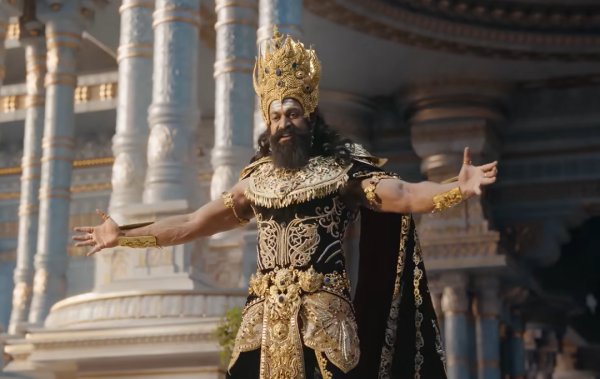
Yash Wore Costumes Weighing Up to 33 Kg as Ravana in Ramayana
Yash wore elaborate Ravana costumes weighing up to 33 kg for Nitesh Tiwari’s Ramayana, while his crown alone weighed 1.8 kg, designer Saniya Sardhariya revealed.
 NOV 10, 2026
Rekha Gupta Launches Namo Yamuna River Safari in Delhi
Delhi Chief Minister Rekha Gupta launched the Namo Yamuna River Safari, a new recreational cruise service between Sonia Vihar and Jagatpur.
 NOV 10, 2026
Ram Mohan Naidu Named Among Purdue Engineering’s 2026 ‘38 by 38’ Honorees
Union Civil Aviation Minister Ram Mohan Naidu has been selected among Purdue University College of Engineering’s 2026 38 by 38 honorees.
Comments (0)