

Delhi H1N1 Situation: JP Nadda Reviews Ongoing H1N1 Situation
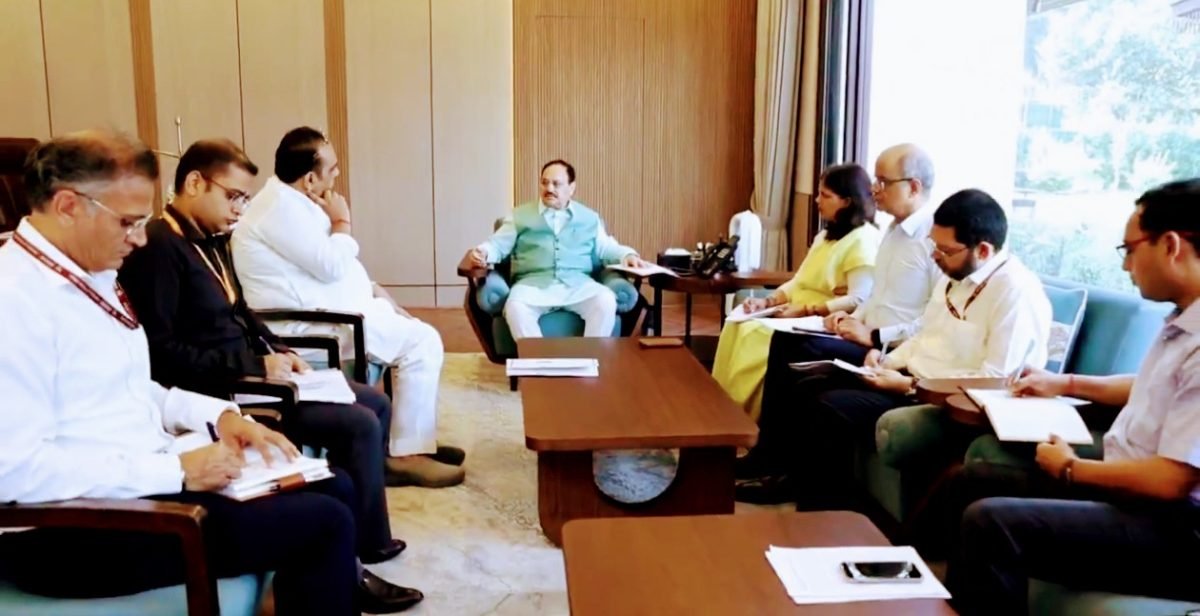
Delhi H1N1 Situation came under review as Union Health Minister J.P. Nadda held a meeting with the Delhi Health Minister and senior health officials to assess the ongoing H1N1 situation in the National Capital Territory.
The meeting brought together officials from the Ministry of Health and Family Welfare (MoHFW) and the Government of National Capital Territory of Delhi (GNCTD) to review the current situation and discuss the preparedness of the health system.
JP Nadda Holds Meeting on H1N1 Situation
Union Health Minister J.P. Nadda chaired the meeting to take stock of the Delhi H1N1 Situation and review the response to the ongoing influenza cases in the region.
The discussions involved the Delhi Health Minister as well as officials from the central Health Ministry and the Delhi government.
The meeting is aimed at ensuring coordination between the Centre and the Delhi administration as authorities continue to monitor the situation.
Focus on Health System Preparedness
During the meeting, officials are reviewing the measures being taken to monitor H1N1 cases and strengthen preparedness across healthcare facilities.
Coordination between central and state-level health authorities is particularly important during seasonal influenza activity to ensure that emerging concerns can be assessed promptly and appropriate measures can be taken.
Centre and Delhi Officials Review Situation
Officials from the Ministry of Health and Family Welfare and GNCT Delhi are participating in the review meeting.
The involvement of both central and Delhi government officials is expected to facilitate a coordinated assessment of the situation.
The review also provides an opportunity to evaluate existing healthcare arrangements and identify areas where additional preparedness may be required.
Monitoring H1N1 Cases
H1N1 is a strain of influenza A that can cause seasonal flu-like illness. Health authorities typically monitor influenza activity and advise people to seek medical attention when symptoms are severe or persistent.
The ongoing review in Delhi is focused on assessing the public-health situation and ensuring that the healthcare system remains prepared to respond effectively.
Importance of Coordinated Health Response
The Delhi H1N1 Situation has prompted greater attention from health authorities, with coordination between different levels of government playing an important role in managing respiratory infections.
Regular monitoring can help authorities assess trends, healthcare requirements and the need for additional measures.
The meeting between J.P. Nadda, Delhi health authorities and officials from MoHFW and GNCT Delhi is therefore significant from a public-health preparedness perspective.
Government Monitoring Continues
The Union Health Ministry and Delhi government are expected to continue monitoring the situation and reviewing developments.
Health authorities may also assess the availability of healthcare resources and ensure that hospitals and other medical facilities remain prepared to handle patients requiring treatment.
Further updates are likely to depend on the assessment made by health officials following the review meeting.
The Delhi H1N1 Situation is being reviewed at the highest levels of the health administration, with Union Health Minister J.P. Nadda holding discussions with the Delhi Health Minister and officials from MoHFW and GNCT Delhi.
The meeting is focused on assessing the ongoing situation, reviewing preparedness and strengthening coordination between the Centre and Delhi government.
As authorities continue to monitor H1N1 activity in the National Capital Territory, the emphasis remains on timely assessment, healthcare preparedness and coordinated public-health measures.
Related News
 OCT 22, 2026
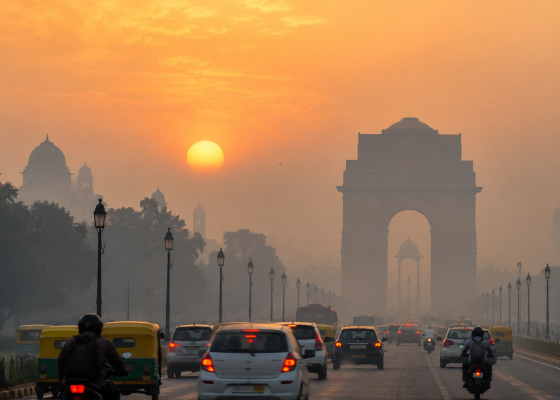
Delhi AQI Hits 226 as Air Quality Remains Poor
Delhi’s AQI stood at 226 on Thursday, remaining in the poor category after hitting a 100-day high of 245 and triggering Stage I of GRAP.
 OCT 22, 2026
Anahat Singh Stuns World No. 3 Nour ElSherbini at Silicon Valley Open
Indian squash sensation Anahat Singh defeats eight-time World Champion Nour ElSherbini 11-8, 11-8, 11-7 to reach the Silicon Valley Open quarter-finals in the biggest win of her senior career.
 OCT 22, 2026
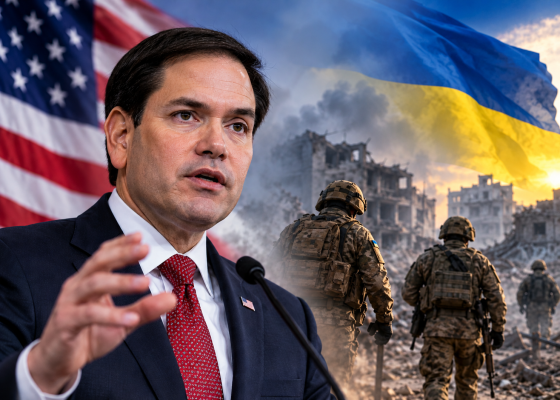
Marco Rubio Says Ukraine Might Not Exist Today Without US Assistance
US Secretary of State Marco Rubio has defended billions of dollars in American assistance to Ukraine, saying US support was critical to the country’s survival as a sovereign nation while praising Ukrainian fighters for their extraordinary bravery.
 OCT 22, 2026
India Crosses the 62-Medal Mark: Golden Haul and Podiums Sweep on Day 3 of the Asian Para Games 2026
India enjoyed a spectacular Day 3 at the Asian Para Games 2026, winning 14 gold medals and reaching 62 medals overall. Praveen Kumar set an Asian Para Games record in high jump, while Indian athletes dominated the shot put and sprint events.