

Digital Census in West Bengal Begins with Self-Enumeration
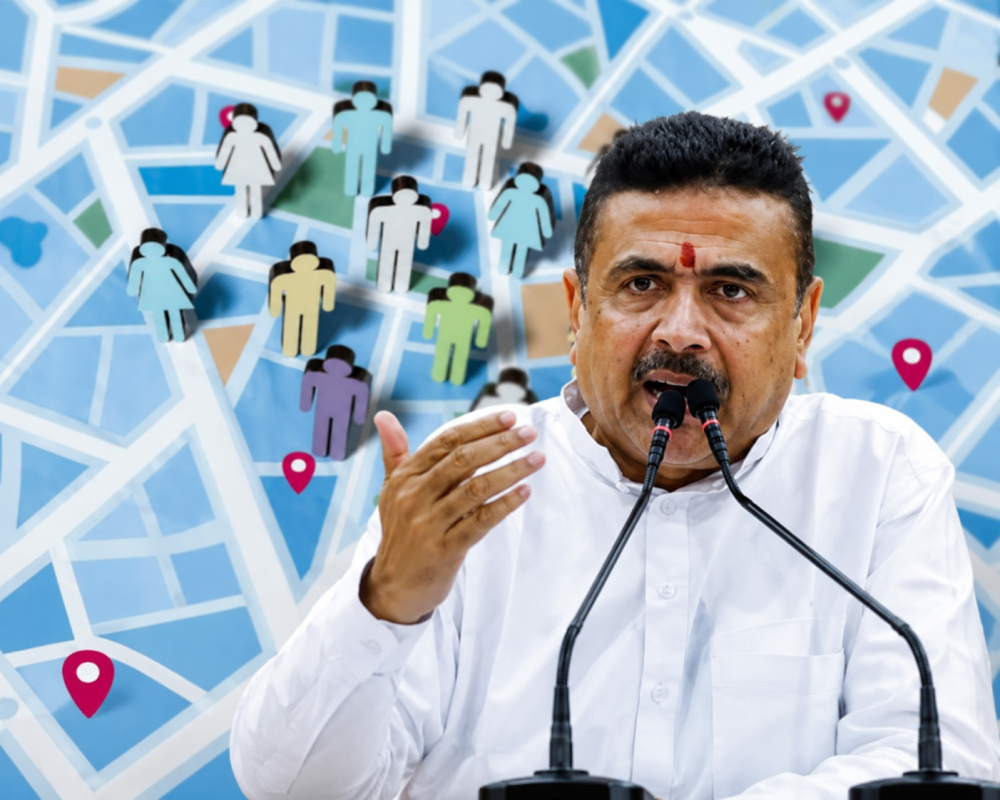
Digital Census in West Bengal has officially begun, marking a significant shift towards technology-driven population enumeration. The latest census exercise introduces a digital self-enumeration facility for citizens, allowing households to provide their details online without having to wait for an enumerator to visit their homes.
The initiative is being seen as an important step towards modernising the census process and expanding the use of digital technology in large-scale government exercises. Citizens can use the self-enumeration facility to submit information about their households and family members from the convenience of their homes.
West Bengal Begins Digital Census Exercise
The census process commenced across West Bengal on Saturday, with Chief Minister Suvendu Adhikari launching the self-enumeration process from Nabanna. The Chief Minister personally completed the online form and encouraged citizens across the state to participate in the digital exercise.
Speaking at the launch, Adhikari highlighted the introduction of digital technology and the self-enumeration facility as two key features of the current census process.
According to the Chief Minister, citizens now have the opportunity to take an active role in providing their census information. He also appealed to residents to cooperate with census officials and ensure that the required information is submitted accurately.
What Is Census Self-Enumeration?
The self-enumeration facility allows eligible citizens to complete their household census information digitally. Instead of relying entirely on officials to collect information, households can enter the required details themselves through the designated digital platform.
The facility is intended to make the census process more convenient while also reducing the administrative burden associated with household data collection.
Once citizens complete the required information, the details can be submitted through the online system. Officials will continue to be involved in the broader enumeration process, ensuring that households are covered and the exercise is conducted systematically.
Digital Census Focuses on Household and Family Details
The digital household schedule includes 34 questions, covering information related to housing conditions as well as members of the household.
The information collected is designed to provide a comprehensive picture of households and their living conditions. Citizens participating in the self-enumeration process will therefore need to provide accurate details about their homes and family members.
The introduction of digital data collection is expected to make the overall process more streamlined and efficient compared with traditional census exercises.
Why Digital Enumeration Matters
A census is one of the country's most important data-gathering exercises. Census information is used by governments to understand demographic trends and plan public services and welfare programmes.
The shift towards digital enumeration could also make the collection and management of information more efficient. At the same time, citizens have been urged to ensure that the information submitted through the digital platform is complete and accurate.
Government Assures Data Security
Data privacy has been an important issue surrounding the introduction of digital systems. Addressing such concerns, Chief Minister Suvendu Adhikari said that information collected through the census would remain secure.
He maintained that the information would be used for public welfare and development-related purposes. The government has also appealed to citizens to participate in the exercise while following the official procedures for submitting their information.
Ensuring public confidence in the security of census information will remain an important part of the digital enumeration process.
Thousands of Personnel Deployed Across Bengal
Despite the introduction of self-enumeration, a large administrative network has been put in place across West Bengal to conduct the census.
According to the information provided by the state government, around 14,399 personnel have been deployed for the exercise across the state. In addition, approximately 3,400 supervisors have been appointed to monitor the process and coordinate the work of census personnel.
The extensive deployment is aimed at ensuring that households across urban and rural areas are covered and that the census exercise progresses smoothly.
Citizens Urged to Participate
The state government has appealed to citizens to make use of the new digital facility and cooperate with census officials.
The self-enumeration option is particularly significant because it gives households greater control over the submission of their information. Citizens can complete the process from home rather than relying solely on physical visits by enumerators.
However, those who require assistance with the process can continue to seek guidance through the official channels associated with the census exercise.
A Major Step Towards Digital Governance
The Digital Census in West Bengal represents a broader move towards integrating technology into government administration. By allowing citizens to participate in the enumeration process digitally, the initiative aims to make census data collection more accessible and efficient.
The success of the exercise will depend on widespread public participation, accurate information and effective coordination between citizens and government officials.
As West Bengal begins this new phase of census enumeration, the combination of digital self-enumeration and traditional administrative mechanisms is expected to play a crucial role in ensuring comprehensive household coverage across the state.
The Digital Census in West Bengal marks an important transition in the way census information can be collected and submitted. With a self-enumeration facility, thousands of officials and supervisors, and a digital household schedule covering 34 questions, the exercise seeks to combine citizen participation with administrative oversight.
The state government has urged residents to participate responsibly, provide accurate information and cooperate with census personnel to help ensure the smooth completion of the nationwide exercise.
Related News
 OCT 21, 2026
Piyush Goyal Meets Former Chile President Eduardo Frei
Union Minister Piyush Goyal met former Chilean President Eduardo Frei and CAF delegates to explore new opportunities for India-Chile trade, investment and business collaboration.
 OCT 21, 2026
Marco Rubio Visits Reliance’s Jamnagar Facilities
US Secretary of State Marco Rubio visited Reliance Industries' Jamnagar facilities as US Ambassador Sergio Gor highlighted India's rising LPG imports from the United States and Reliance's planned investment in a new American oil refinery.
 OCT 21, 2026
Zelenskyy Calls for Urgent End to War, Highlights Suffering of Ukrainian Children
Ukrainian President Volodymyr Zelenskyy has called for a swift end to the war with Russia, warning that Russian attacks are costing lives and depriving children of a normal childhood. He has urged continued US and European support while praising the resilience of Ukrainian soldiers.
 OCT 21, 2026
“Too Many Cockroaches… Insecticide Will Be Sprayed”: Suvendu Adhikari
West Bengal Chief Minister Suvendu Adhikari has emphasised that political change must come through elections, making a strong statement on democracy and India’s political system.