

How to Keep Your Gut Healthy During Festive Feasting: A Dietitian’s Guide to Food and Habits

Festivals bring colourful decorations, family gatherings, late-night celebrations and plenty of delicious food. From traditional sweets to rich savoury dishes, festive meals are an important part of celebrations and bring people together.
However, changes in eating patterns, disrupted sleep and reduced physical activity can sometimes lead to bloating, acidity, digestive discomfort and a feeling of sluggishness.
Enjoying festive food does not mean giving up on healthy habits. The key to healthy festive eating is finding a balance between enjoying your favourite dishes and maintaining a routine that supports your overall well-being.
In an interview with HT Lifestyle, health and fitness coach Manisha Chopra shared practical advice on managing festive eating without unnecessary restrictions.
1. Practise Portion Control While Enjoying Festive Foods
Festive delicacies are meant to be enjoyed, and there is no need to avoid your favourite sweets or savoury snacks completely. Being mindful of portions can help you enjoy a variety of foods without feeling overly full.
Manisha recommends starting a meal with lighter options, such as salads and vegetables, before moving on to richer dishes.
Here are a few habits to consider:
Serve yourself portions that feel comfortable rather than filling your plate excessively.
Enjoy sweets and fried snacks in amounts that suit your appetite.
Eat slowly and pay attention to your body's hunger and fullness signals.
Take your time to savour the flavours instead of rushing through the meal.
Eating slowly can help you recognise when you are comfortably satisfied. The aim is to enjoy festive meals without feeling uncomfortably full afterwards.
2. Avoid Skipping Meals to Compensate for Festive Feasts
Skipping meals to save calories for a late-night celebration may seem like a convenient strategy, but it can leave you excessively hungry by the time dinner arrives.
Going for long periods without eating may increase cravings and make it more difficult to recognise comfortable portion sizes.
According to Manisha, maintaining reasonably regular meals is a better approach to managing festive eating.
If you know you have a large dinner planned, choose nourishing meals and snacks throughout the day rather than avoiding food altogether. Include a combination of vegetables, fruits, protein-rich foods and whole grains according to your preferences.
Remember: You do not need to skip breakfast or lunch to make room for a festive dinner. Eating regularly can help you approach celebrations with a more balanced appetite.
3. Stay Physically Active During the Festive Season
Busy schedules, travel and social gatherings can make it difficult to maintain a regular exercise routine. However, staying active does not necessarily require spending an hour at the gym every day.
Manisha suggests incorporating simple forms of movement into everyday activities.
You can try:
Taking a walk after meals when convenient.
Going for a short walk during breaks.
Using the stairs when practical.
Dancing during celebrations.
Making time for activities you genuinely enjoy.
Aim for around 30 minutes of walking or moderate physical activity on most days, depending on your fitness level and individual needs.
Regular movement can support digestion, cardiovascular health and general well-being. If your schedule becomes unusually busy, remember that shorter periods of activity can also contribute to your daily movement.
4. Maintain a Balanced Routine Without Seeking Perfection
Festivals can temporarily change your usual routine, and that is completely normal. An occasional rich meal or dessert does not undo your overall healthy habits.
Rather than trying to compensate for indulgent meals with restrictive eating or excessive exercise, return to your regular routine at the next meal.
Prioritise balanced meals, adequate hydration, sufficient sleep and enjoyable physical activity. These everyday habits can help you feel more comfortable and energetic throughout the festive season.
Final Thoughts
Healthy festive eating is about balance, not restriction. You can enjoy traditional sweets, savoury snacks and celebratory meals while continuing to care for your well-being.
By practising portion awareness, eating regular meals and staying physically active, you can make festive celebrations more enjoyable without placing unnecessary pressure on yourself.
The most sustainable approach is to enjoy the food, appreciate time with loved ones and return to your usual healthy habits whenever possible.
Related News
 OCT 10, 2026
Skin Rashes in Children: Common Causes, Warning Signs and When to Seek Medical Help
Skin rashes in children can result from viral infections, allergies, eczema, insect bites or other conditions. A paediatrician explains common causes, symptoms to watch for and warning signs that mean parents should seek medical attention.
 OCT 9, 2026
Why Do We Replay Embarrassing Moments Before Bed? The Psychology of Nighttime Overthinking
Ever replay an embarrassing moment just as you are falling asleep? Discover the psychology behind bedtime overthinking, why old memories feel more intense at night, and how self-compassion and simple habits can help quiet your mind.
 OCT 9, 2026
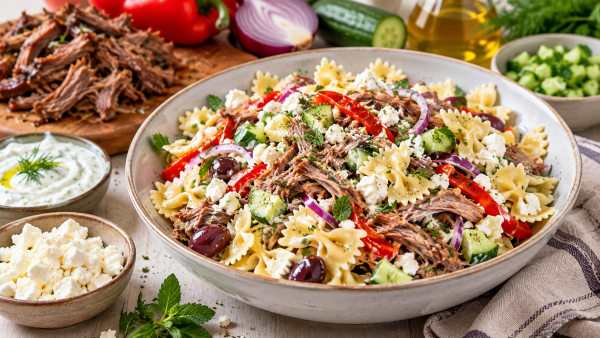
High-Protein Pulled Lamb Pasta Salad for a Balanced Meal
High-protein pulled lamb pasta salad by The Fitness Chef delivers 42g protein per serving with lamb, pasta, tzatziki, feta, herbs and vegetables.
 OCT 9, 2026
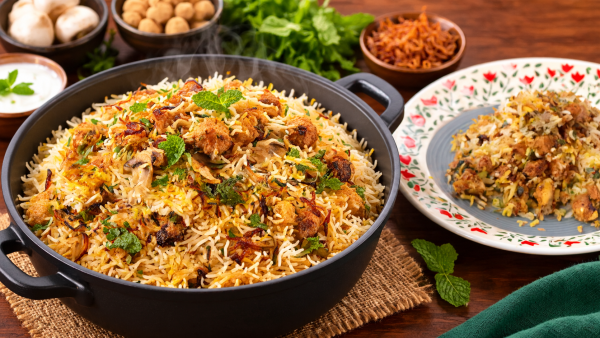
Healthy Soya Mushroom Biryani Recipe Packed With Protein
Healthy soya mushroom biryani by Vanshika Khurana offers a protein- and fibre-rich vegetarian meal made with brown basmati rice, soya chunks and mushrooms.
Comments (0)