

Gen Alpha to Power India’s 2036 Olympic Dream: PM Modi Calls for Grassroots Talent Hunt
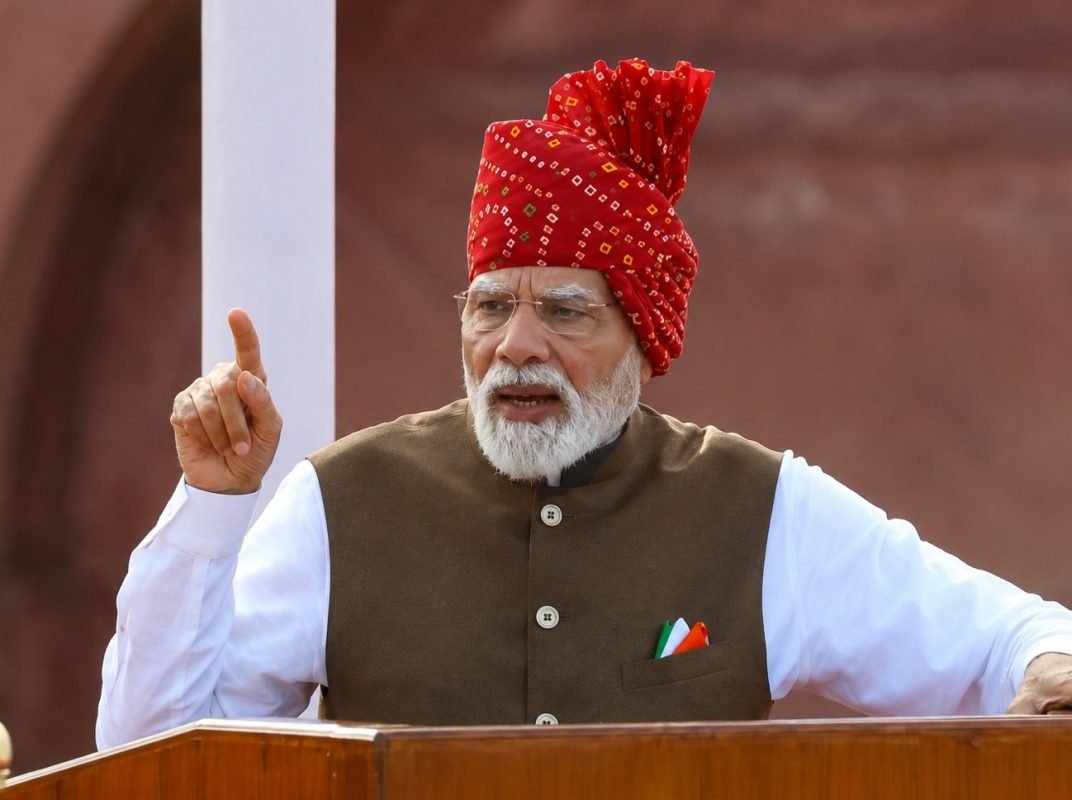
India 2036 Olympics ambitions received renewed emphasis from Prime Minister Narendra Modi during his Independence Day address from the Red Fort. Speaking on the country’s sporting aspirations, Modi said India must begin preparing a new generation of athletes if it wants to successfully host and compete at the 2036 Olympic Games.
The Prime Minister highlighted a significant challenge facing Indian sport: the country does not currently participate competitively in a large proportion of the events contested at the Olympics. He called for a nationwide talent-identification programme aimed particularly at children between the ages of five and 15.
According to Modi, identifying promising young athletes early and providing them with specialised training could help India build a stronger sporting ecosystem ahead of the India 2036 Olympics target.
PM Modi Highlights India’s 2036 Olympic Ambition
India has expressed its ambition to host the 2036 Olympic Games, and Prime Minister Modi reiterated that objective during his Independence Day speech.
He pointed out that the Olympics feature dozens of sports and hundreds of events, but Indian athletes do not currently compete in many of them.
Modi said the country needs to address this gap by identifying sporting talent at an early age and creating opportunities for young athletes to develop their abilities.
The Prime Minister's message placed the focus not only on hosting the Games but also on ensuring that India has a strong representation across a wider range of Olympic disciplines.
Gen Alpha in Focus for India’s Olympic Plans
One of the key elements of Modi’s vision is the involvement of the younger generation.
The Prime Minister called for a systematic search for sporting talent among children aged between five and 15. He suggested that schools in both rural and urban areas could become important centres for identifying children with potential in different sports.
The idea is to identify talented youngsters early, provide them with specialised coaching and create a pathway that could eventually lead them to the international stage.
For the India 2036 Olympics vision, this age group could be particularly important because children who are currently in the five-to-15 age bracket would reach their late teens or twenties around the time of the 2036 Games.
Schools Could Become Talent-Hunting Centres
Modi called for talent-identification drives to be conducted across schools in villages and cities.
Such initiatives could help identify children with potential in sports that have traditionally received less representation in India. Once identified, promising athletes could receive specialised training and other support required to compete at higher levels.
The Prime Minister stressed that India needs to develop athletes capable of competing for the country across a broader range of Olympic events.
India Needs More Representation Across Olympic Sports
According to Modi, the country faces a major gap in Olympic participation.
He said that around 40 sports are contested at the Olympics, with approximately 315 to 350 events.
However, Indian athletes currently do not compete in a substantial share of these events.
The Prime Minister described this as an area that needs attention and called for a new generation of athletes to help close the gap.
The objective, therefore, is not simply to increase the number of Indian athletes participating in familiar disciplines but also to expand the country's presence across sports where India has historically had limited representation.
2030 Commonwealth Games Also Part of India’s Sporting Roadmap
The India 2036 Olympics ambition comes alongside the country's plans to host the 2030 Commonwealth Games.
Hosting major international sporting events can provide India with an opportunity to strengthen sporting infrastructure, improve organisational capabilities and create greater exposure for athletes.
The experience gained from hosting such competitions could also contribute to preparations for a potential Olympic Games in 2036.
Why Early Talent Identification Matters
Developing an Olympic athlete takes years of training, competition and preparation. Identifying promising athletes during childhood can provide them with a longer development pathway.
A nationwide programme could potentially help discover talent beyond India's established sporting centres.
Rural and Urban Talent
India has a vast pool of young people across both rural and urban areas. A school-based talent search could provide opportunities to children who may not otherwise have access to professional sporting programmes.
The emphasis on villages and schools also reflects the need to make sporting opportunities more accessible across different parts of the country.
Specialised Training
Talent identification would only be the first step. Young athletes would also require appropriate coaching, sporting facilities, nutrition, competition exposure and long-term support.
For India to strengthen its Olympic performance, the development system would need to support athletes from the early stages through elite competition.
India’s Olympic Road Ahead
Prime Minister Modi's Independence Day remarks underline the long-term nature of India's Olympic ambitions.
If India hosts the 2036 Olympics, the athletes competing at the Games could include many youngsters who are currently in school. This makes early talent identification an important component of the country's broader sporting strategy.
The focus on the India 2036 Olympics also provides an opportunity to encourage greater participation in sports among children and young people.
The coming decade could therefore be crucial for building India's next generation of athletes and expanding the country's presence across Olympic disciplines.
The India 2036 Olympics vision is being linked to a new generation of sporting talent. Prime Minister Narendra Modi has called for children aged five to 15 to be identified and trained through talent-hunting programmes in schools across villages and cities.
The larger objective is to ensure that India is not only prepared to host the Olympics but also capable of fielding competitive athletes across a much wider range of sports.
If sustained over the coming years, a nationwide talent-development programme could become an important part of India's long-term Olympic strategy.
Related News
 OCT 15, 2026
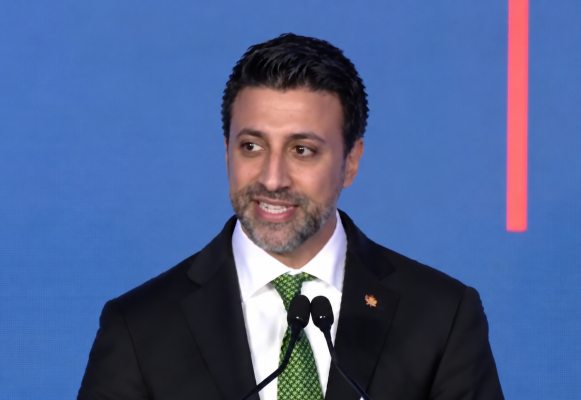
Canada-India Trade Deal Targets $70 Billion by 2030
Canada’s Trade Minister Maninder Sidhu says ongoing negotiations for the proposed India-Canada trade agreement could help more than double bilateral trade to over $70 billion by 2030.
 OCT 15, 2026
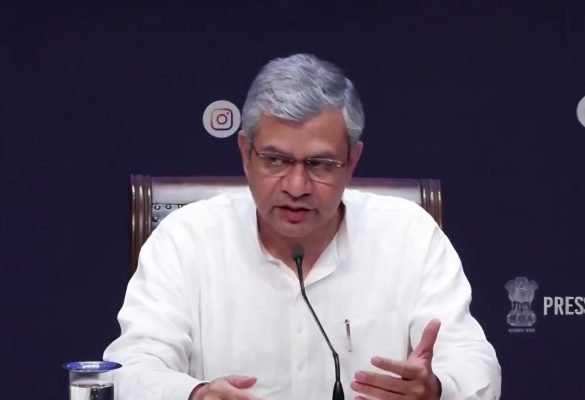
Ashwini Vaishnaw Announces Strategic Restructuring of IDBI
Union Minister Ashwini Vaishnaw announces the strategic restructuring of IDBI, with the government and LIC retaining a combined 34% stake. The move aims to attract FDI, inject fresh capital and support MSMEs, small industries and emerging entrepreneurs.
 OCT 15, 2026
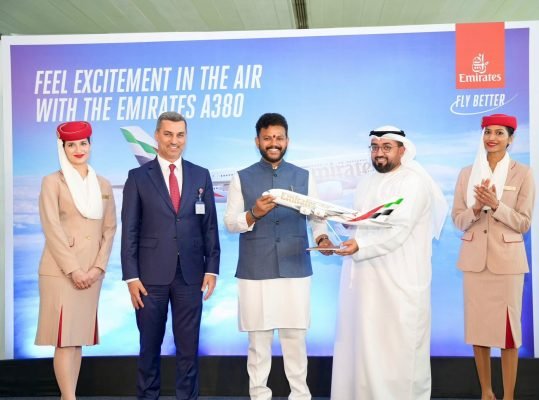
Emirates A380 Returns to Delhi on October 25
Civil Aviation Minister Ram Mohan Naidu has announced that Emirates’ iconic A380 Superjumbo will return to Delhi from October 25, offering greater passenger comfort and cargo capacity on the Delhi–Dubai route.
 OCT 15, 2026
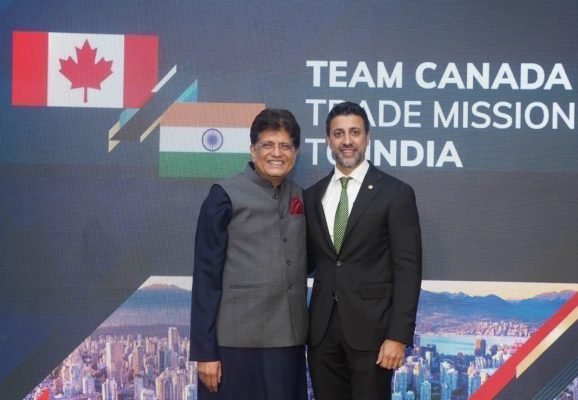
Piyush Goyal Highlights India-Canada Trade Opportunities
Union Minister Piyush Goyal has called for stronger India-Canada trade and investment ties, highlighting the proposed CEPA and opportunities for business partnerships during a Canadian trade mission involving nearly 300 delegates.