

India, UAE to Accelerate Co-Development of Next-Generation Defence Equipment
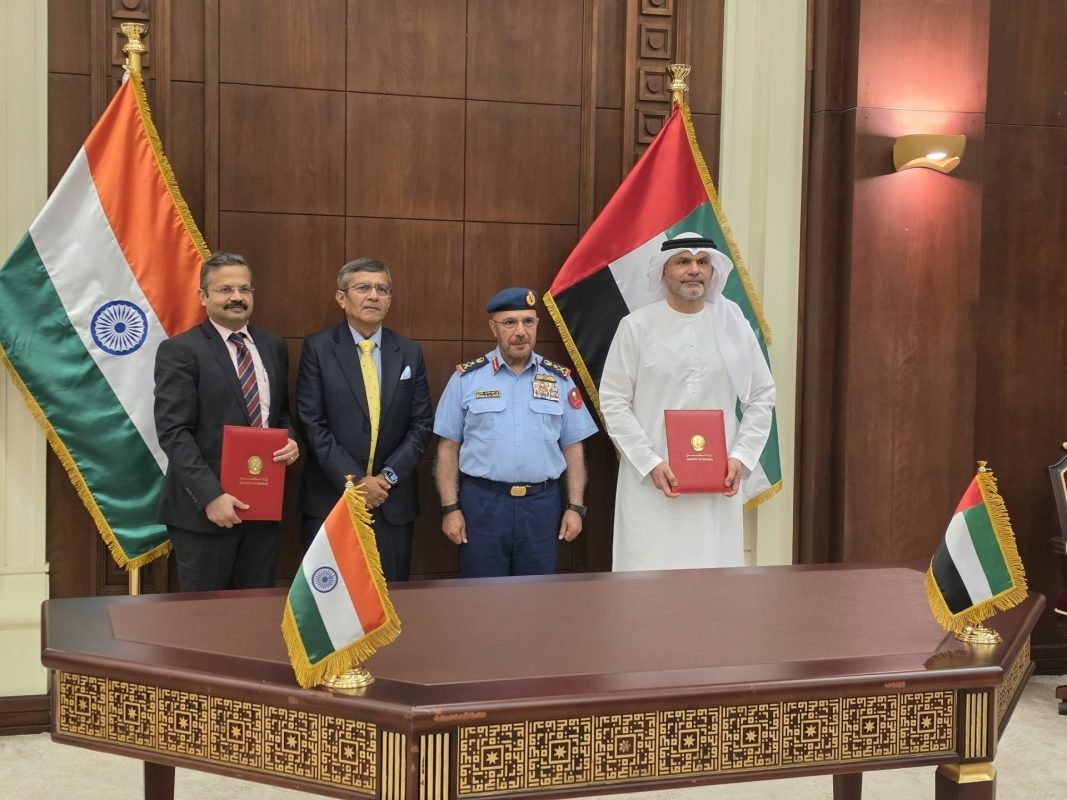
India and the United Arab Emirates have agreed to accelerate India-UAE defence co-development and co-production of next-generation military equipment, marking a significant step in their expanding strategic defence partnership.
The agreement was reached during the 14th India-UAE Joint Defence Cooperation Committee (JDCC) meeting held in Abu Dhabi on November 26, 2026.
Rajesh Kumar Singh, Ibrahim Al Alawi Co-Chair Meeting
The meeting was co-chaired by India’s Defence Secretary Rajesh Kumar Singh and UAE Ministry of Defence Under Secretary Lieutenant General Ibrahim Nasser M. Al Alawi.
The two sides reviewed their existing defence cooperation and outlined priorities for translating the Strategic Defence Partnership into practical projects and operational collaboration.
Next-Generation Defence Equipment in Focus
A key outcome of the meeting was the decision to accelerate partnerships for the co-development and co-production of next-generation defence equipment.
The move is expected to deepen collaboration between the defence industries of both countries and encourage partnerships in advanced military technologies, manufacturing and innovation.
AI, Cyber and Advanced Technology Among Priority Areas
India and the UAE agreed to strengthen cooperation across a wide range of defence sectors, including:
Defence industry and manufacturing
Defence innovation and advanced technology
Artificial intelligence
Cyber security
Military training
Maritime safety
Co-development and co-production of defence systems
The expanded agenda reflects the increasing emphasis on technology-driven defence cooperation between the two countries.
Strategic Defence Partnership Framework Guides Cooperation
The 14th JDCC provided strategic direction to initiatives identified under the India-UAE Strategic Defence Partnership Framework, which was signed in May 2026.
The framework covers areas including defence industrial collaboration, innovation and advanced technology, training and exercises, maritime security, cyber defence, secure communications and information sharing.
Earlier in 2026, India and the UAE had also signed a Letter of Intent aimed at establishing a Strategic Defence Partnership Framework and expanding cooperation in defence technology, interoperability, cyber space and counter-terrorism.
Defence Industries Hold B2B Talks
An Indian defence industry delegation accompanied the official delegation to Abu Dhabi, with business-to-business interactions organised between defence companies from the two countries.
The Indian delegation also visited Tawazun Industrial Park and held discussions with the Tawazun Economic Council to identify potential areas for industrial cooperation with UAE companies.
The initiative is intended to encourage direct partnerships between companies and support the joint development and manufacturing ambitions outlined at the JDCC.
Progress to Be Reviewed Regularly
Both co-chairs agreed to review progress in defence cooperation at regular intervals before the next JDCC meeting.
The Indian delegation included representatives from the Department of Defence, the Indian Armed Forces, the National Security Council Secretariat and the Ministry of External Affairs.
Defence Secretary Meets UAE Minister
During the Abu Dhabi visit, Defence Secretary Rajesh Kumar Singh also met UAE Minister of State for Defence Affairs Mohamed bin Mubarak Fadhel Al Mazrouei.
The two discussed the emerging geopolitical situation in the Gulf and West Asia and reaffirmed their commitment to strengthening the India-UAE Strategic Defence Partnership.
Singh also conveyed greetings from Defence Minister Rajnath Singh.
India-UAE Defence Partnership Expands
India and the UAE have steadily broadened their relationship from traditional trade and diplomatic ties into areas such as security, defence technology and advanced manufacturing.
The latest JDCC meeting signals a shift towards more practical industrial collaboration, particularly through joint development and production of sophisticated defence systems.
The emphasis on AI, cyber security, advanced technologies and maritime safety also indicates that both countries are looking to build a defence relationship capable of addressing emerging security challenges.
Related News
 NOV 27, 2026
Piyush Goyal Says EU FTA Signing Expected This Year
Union Minister Piyush Goyal says the India-EU FTA is expected to be signed later this year, while the India-US trade deal is nearing finalisation.
 NOV 27, 2026
Trump Says Russia-Ukraine Peace Deal Is Possible After Talks With Putin
Donald Trump has expressed optimism about a possible Russia-Ukraine peace deal after discussing the conflict with Vladimir Putin in China and briefing NATO Secretary General Mark Rutte at Mar-a-Lago.
 NOV 27, 2026
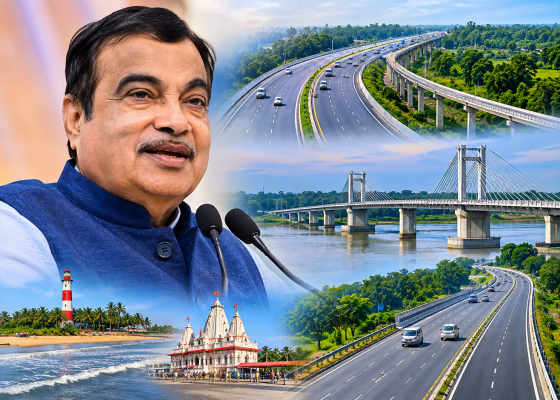
Nitin Gadkari Announces Major Highway and Bridge Projects Across West Bengal
Union Minister Nitin Gadkari announces major road and bridge development projects across West Bengal, including highway expansion, river bridges and ₹5,100 crore for road safety improvements.
 NOV 27, 2026
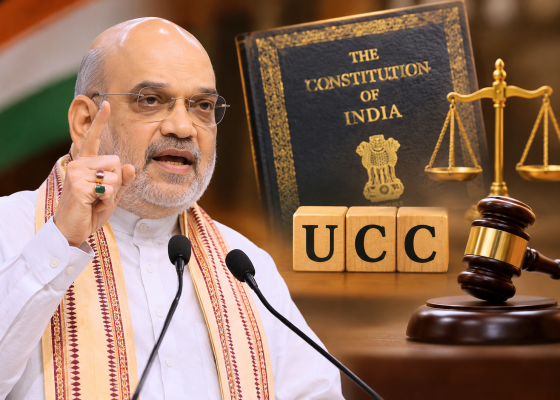
UCC Will Be Implemented in All BJP States: Amit Shah
Union Home Minister Amit Shah announces that BJP-ruled states will implement the Uniform Civil Code, emphasising a common legal framework for citizens irrespective of religion.