

India UNSC bid puts maritime safety and technology among priorities
The India UNSC bid for a non-permanent seat in the 2028-29 term will prioritise maritime security and emerging technology, Ambassador Harish Parvathaneni told a Security Council debate on Thursday, October 29.
India's permanent representative said technological progress should improve safety across shared seas while protecting commerce and seafarers. He warned that the same capabilities could create risks if misused.
India and Tajikistan will compete for the Asia-Pacific Group's single available seat in elections scheduled for June next year. New Delhi has announced its candidature for the two-year term.
Navigation, oversight and wider access
In outlining priorities for the India UNSC bid, Parvathaneni pointed to the importance of lawful shipping and freedom of navigation. He said attacks on merchant vessels could disrupt supply chains and raise costs far from the location of an incident.
Developing countries were particularly exposed to those economic effects, he said. They also needed access to training, technology and stronger institutions to protect their maritime infrastructure and help shape rules for its use.
The envoy described how analysis of satellite images, radar information and vessel-tracking data could improve understanding of activity at sea. Such tools could help identify suspicious movements and assist search-and-rescue efforts.
He cited the Information Fusion Centre–Indian Ocean Region near New Delhi as an example of cooperation through shared information. He linked India's approach to its SAGAR vision of security and growth across the region.
At the same time, he warned that increasing automation could expose ports, ships, communications and undersea infrastructure to cyber threats. Autonomous systems also raised questions about responsibility and unintended escalation, requiring effective safeguards and human oversight.
India said international law, including the UN Convention on the Law of the Sea, should guide countries' conduct. It favoured strengthening the work of relevant international institutions and practical cooperation on technological risks affecting peace and security.
Also read: Rajnath Singh offers India’s counter-terror experience to ASEAN partners | UNSC reform: India seeks equal veto rights and wider negotiations
Related News
 OCT 30, 2026
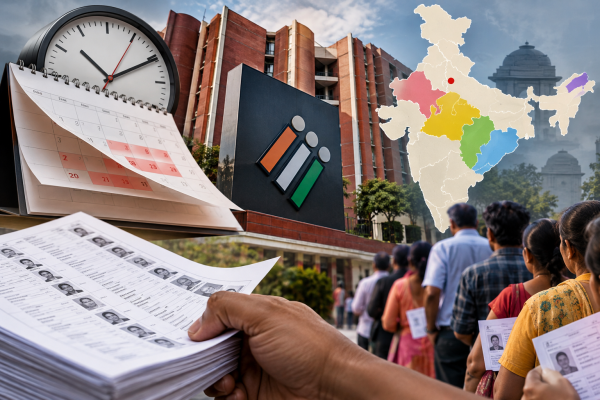
SIR deadlines extended: Delhi final roll due December 22
SIR deadlines have changed across five states and Delhi, with final rolls due on November 30 in the states and December 22 in the capital.
 OCT 30, 2026
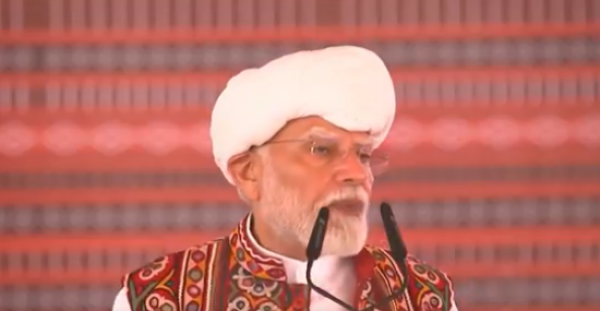
PM Modi Says Science and Technology Are Transforming Indian Agriculture
Prime Minister Narendra Modi said science and technology have been deeply integrated into agriculture and animal husbandry, citing Soil Health Cards, climate-resilient seeds and modern dairy practices.
 OCT 30, 2026
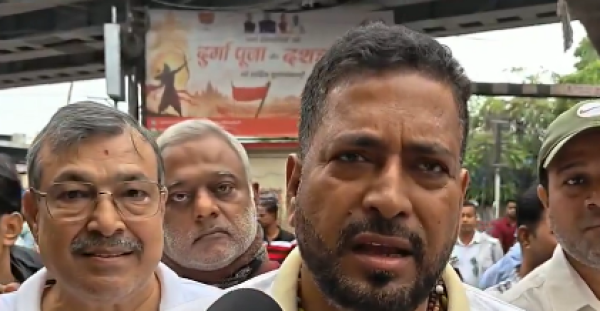
Sankar Ghosh Says Alipurduar Safe After Bhutan Glacial Lake Burst
West Bengal Tourism Minister Sankar Ghosh said there was no devastating impact in Alipurduar so far after a glacial lake outburst in Bhutan triggered flood alerts in North Bengal.
 OCT 30, 2026
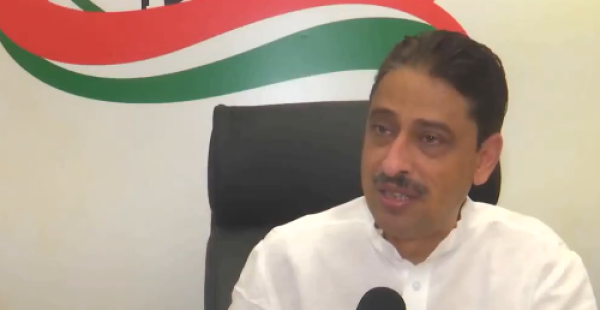
Imran Masood Targets Centre Over Privatisation, Backs Rahul Gandhi’s IDBI Stand
Congress MP Imran Masood accused the central government of prioritising privatisation and asset sales while reacting to Rahul Gandhi’s criticism of the proposed IDBI Bank stake sale.
Comments (0)