

Intermittent Fasting-Friendly Meal Recipes for Healthy Eating, Weight Management and Steady Energy
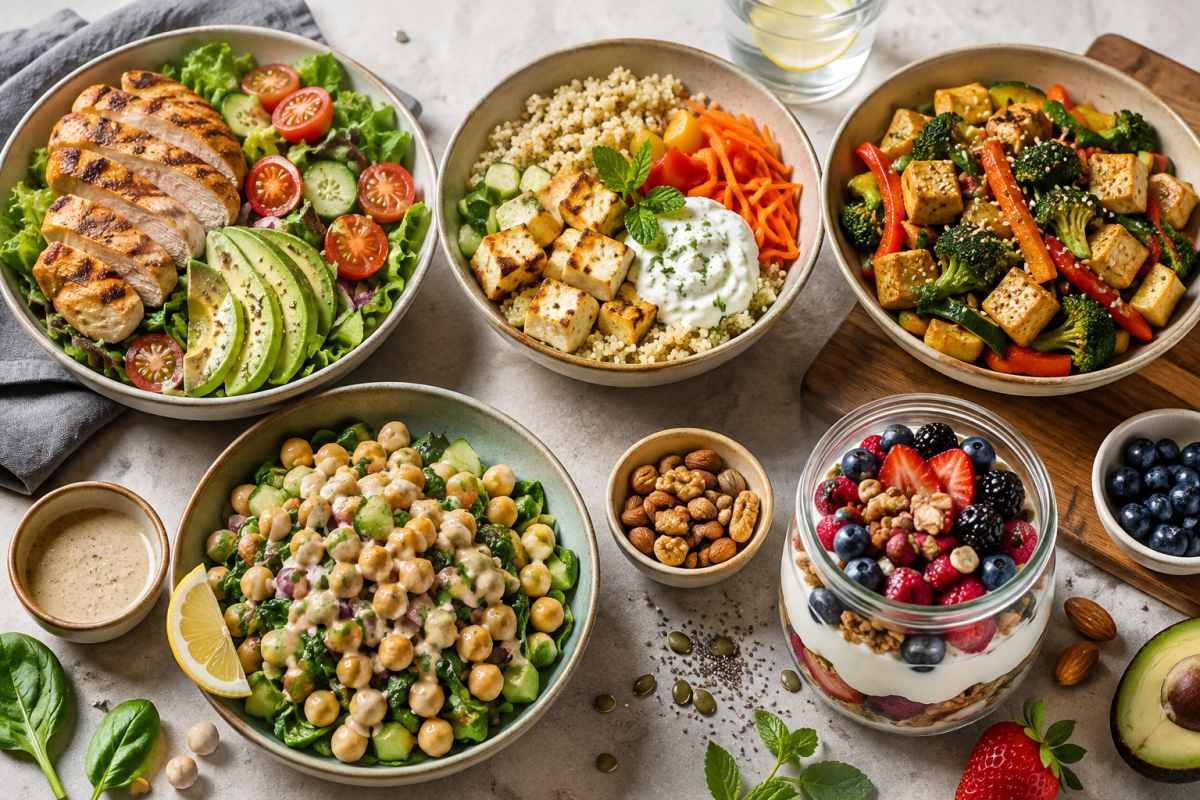
Intermittent Fasting-Friendly Meal Recipes are essential for getting the most out of your fasting routine. While intermittent fasting focuses on when you eat, the quality of your meals determines how well your body recovers, maintains energy, and supports long-term health. Choosing balanced meals rich in lean protein, healthy fats, complex carbohydrates, and fibre helps replenish nutrients after fasting while keeping you satisfied throughout your eating window.
Intermittent fasting has become one of the world's most popular eating patterns because it is simple to follow and adaptable to different lifestyles. Rather than constantly counting calories, this approach alternates between fasting and eating periods, allowing the body to use stored energy more efficiently. Combined with wholesome meals, intermittent fasting may support weight management, blood sugar control, heart health, and overall wellness.
What Is Intermittent Fasting?
Intermittent fasting is an eating pattern that cycles between fasting and eating windows. Unlike traditional diets, it does not strictly restrict food groups but encourages eating nutritious meals within a specific time frame.
Some of the most popular intermittent fasting methods include:
16:8 Method
Fast for 16 hours and consume all meals within an 8-hour eating window.
14:10 Method
A beginner-friendly approach involving 14 hours of fasting and a 10-hour eating period.
5:2 Method
Eat normally for five days each week while limiting calorie intake on two non-consecutive days.
Gradually extending fasting hours, staying hydrated with water, black coffee, or unsweetened tea, and breaking the fast with balanced meals can make intermittent fasting easier to maintain.
Health Benefits of Intermittent Fasting
Research suggests that intermittent fasting, when combined with nutrient-rich meals, may offer several health benefits.
Supports Weight Management
During fasting, the body begins using stored fat as an energy source once glycogen stores become depleted.
Helps Improve Blood Sugar Control
Lower insulin levels and improved insulin sensitivity may help regulate blood glucose levels.
Promotes Heart Health
Balanced intermittent fasting meals rich in vegetables, healthy fats, and lean proteins may contribute to healthier cholesterol levels and cardiovascular health.
Supports Cellular Repair
Fasting activates natural cellular maintenance processes such as autophagy, helping the body remove damaged cells.
May Benefit Brain Health
Some studies suggest intermittent fasting may support memory, cognitive function, and overall brain health.
What Should You Eat After Breaking a Fast?
The first meal after fasting should provide balanced nutrition instead of excessive calories.
An ideal intermittent fasting meal includes:
- Lean protein
- Healthy fats
- Fibre-rich vegetables
- Whole grains
- Fruits
- Nuts and seeds
Avoid breaking your fast with heavily processed foods, sugary drinks, or fried snacks, as they may cause rapid blood sugar spikes.
5 Healthy Intermittent Fasting-Friendly Meal Recipes
1. Grilled Chicken and Avocado Salad
A refreshing high-protein salad that provides healthy fats and fibre while supporting muscle recovery and long-lasting energy.
Ingredients
- 200g grilled chicken breast
- 1 avocado
- Cucumber
- Cherry tomatoes
- Lettuce
- Olive oil
- Lemon juice
- Salt
- Black pepper
- Mixed herbs
Method
- Grill the chicken until fully cooked.
- Combine vegetables in a bowl.
- Add sliced chicken.
- Mix olive oil, lemon juice, herbs, salt, and pepper.
- Toss gently and serve fresh.
2. Paneer and Quinoa Bowl
This vegetarian bowl combines complete protein, fibre, calcium, and healthy fats to create a satisfying meal after fasting.
Ingredients
- 150g paneer
- 1 cup cooked quinoa
- Cucumber
- Carrot
- Bell peppers
- Greek yogurt
- Mint
- Lemon juice
- Salt and pepper
Method
- Grill paneer cubes.
- Arrange quinoa in a bowl.
- Add vegetables and paneer.
- Pour over yogurt-mint dressing.
- Serve immediately.
3. Tofu Vegetable Stir-Fry
A colourful plant-based meal packed with antioxidants, protein, and fibre.
Ingredients
- Firm tofu
- Broccoli
- Carrots
- Zucchini
- Sesame oil
- Ginger
- Low-sodium soy sauce
- Sesame seeds
Method
- Cook tofu until lightly golden.
- Stir-fry vegetables.
- Add ginger and soy sauce.
- Sprinkle sesame seeds before serving.
4. Chickpea and Spinach Bowl
A fibre-rich vegetarian recipe that promotes digestive health while keeping you full for longer.
Ingredients
- Boiled chickpeas
- Spinach
- Cucumber
- Onion
- Tahini
- Lemon juice
- Olive oil
- Salt
- Black pepper
Method
- Mix vegetables and chickpeas.
- Prepare tahini dressing.
- Toss everything together.
- Serve fresh.
5. Greek Yogurt Berry Parfait
A quick breakfast or post-fast meal rich in protein, probiotics, antioxidants, and healthy fats.
Ingredients
- Greek yogurt
- Mixed berries
- Almonds
- Chia seeds
- Cinnamon
- Honey (optional)
Method
- Layer yogurt into glasses.
- Add berries.
- Sprinkle almonds and chia seeds.
- Finish with cinnamon and honey.
Tips for Successful Intermittent Fasting
Stay Hydrated
Drink plenty of water during fasting hours.
Prioritize Protein
Protein supports muscle maintenance and helps control hunger.
Eat More Fibre
Vegetables, legumes, fruits, and whole grains improve digestion and keep you satisfied.
Include Healthy Fats
Avocados, olive oil, nuts, and seeds provide long-lasting energy.
Avoid Processed Foods
Highly processed foods may reduce the benefits of intermittent fasting.
Approximate Nutrition Per Meal
| Nutrient | Approximate Amount |
|---|---|
| Calories | 280–390 kcal |
| Protein | 20–35 g |
| Carbohydrates | 20–35 g |
| Healthy Fats | 10–18 g |
| Dietary Fibre | 6–10 g |
Values vary depending on ingredients and serving sizes.
Frequently Asked Questions
Can intermittent fasting-friendly meals include carbohydrates?
Yes. Complex carbohydrates such as quinoa, oats, sweet potatoes, brown rice, and legumes provide steady energy while helping maintain balanced blood sugar levels.
What foods should you eat to break a fast?
Protein-rich foods, healthy fats, whole grains, fruits, vegetables, and fibre-rich ingredients are ideal for breaking a fast.
Can vegetarians follow intermittent fasting?
Absolutely. Paneer, tofu, lentils, chickpeas, Greek yogurt, quinoa, nuts, and seeds provide excellent sources of protein and essential nutrients.
Is intermittent fasting suitable for weight management?
Many people use intermittent fasting as part of a healthy lifestyle because it may help regulate appetite and support weight management when combined with balanced meals and regular physical activity.
Final Thoughts
Intermittent Fasting-Friendly Meal Recipes help maximize the benefits of fasting by providing balanced nutrition, sustained energy, and satisfying flavours. Whether you prefer grilled chicken, paneer, tofu, chickpeas, or Greek yogurt, choosing meals rich in protein, healthy fats, fibre, and whole foods supports overall wellness while making intermittent fasting easier to maintain. Combined with proper hydration and a consistent fasting schedule, these wholesome recipes can become a valuable part of a healthy lifestyle.
Related News
 OCT 13, 2026
Avneet Kaur Steals the Spotlight With Her Radiant Beauty, Chic Style, and Effortless Charm
Avneet Kaur is once again capturing attention with her stunning appearance, infectious smile, and effortlessly fashionable style
 OCT 13, 2026
Jacqueline Fernandez Turns Heads With Golden Glamour, Radiant Beauty, and Effortless Elegance
Jacqueline Fernandez continues to embody the captivating blend of glamour, confidence, and sophistication that makes her one of Bollywood’s most recognizable style personalities.
 OCT 12, 2026
FIFPRO Report Finds 49% of Women Footballers Consider Leaving Football Early
A new FIFPRO report highlights the challenges facing women's football, with 49% of surveyed players considering an early exit. Financial pressures, mental health concerns, limited employment contracts and unequal access to player protections remain major issues despite the sport's growing commercial success.
 OCT 12, 2026
How New Medical Technologies Are Transforming Heart Surgery and Improving Heart Health
Advances in cardiac imaging, minimally invasive procedures and multidisciplinary care are transforming heart treatment. Discover how modern heart surgery technology helps doctors diagnose valve disease, personalise treatment and monitor recovery.