

Iranian Foreign Minister Abbas Araghchi Condemns U.S. ‘Maximalism’ After Historic Talks Fail
A Breakdown on the Goal Line In a powerful statement shared on social media, Araghchi, pictured above during his subsequent address in Tehran, offered a stark look into the breakdown of the dialogue. "In intensive talks at the highest level in 47 years, Iran engaged with U.S. in good faith to end war," Araghchi stated. While the specific details of the initial breakthrough remain classified, reports from the 21 hours of dialogue in Pakistan suggested momentum toward a structured 10-point peace plan. Iranian negotiators entered the talks hoping for significant progress toward a regional ceasefire and relief from crippling international sanctions. However, the optimistic tone quickly turned to frustration. Araghchi’s statement revealed that the two sides were excruciatingly close to a breakthrough, only to have it dissolve at the final moment. “But when just inches away from 'Islamabad MoU', we encountered maximalism, shifting goalposts, and blockade. Zero lessons learned.” The "Zero Lessons Learned" Critique The failure of the talks marks a significant setback in diplomatic efforts to end the current conflict. Araghchi’s forceful critique underscores Iran’s perspective that the U.S. remains unwilling to meet reciprocal concessions, instead demanding total compliance—a strategy Tehran consistently labels as "maximalism." The reference to a "blockade" suggests that new, unexpected U.S. demands regarding non-nuclear issues, potentially related to maritime security or regional influence, were introduced late in the process, creating an impassable barrier. Araghchi’s conclusion, a direct and somber warning, encapsulates the current diplomatic climate: "Good will begets good will. Enmity begets enmity." The statement is likely to further complicate already tense relations between Iran and the United States, while raising questions about the future of diplomatic engagement and conflict resolution efforts in the region.In intensive talks at highest level in 47 years, Iran engaged with U.S in good faith to end war.
But when just inches away from "Islamabad MoU", we encountered maximalism, shifting goalposts, and blockade. Zero lessons earned Good will begets good will. Enmity begets enmity. — Seyed Abbas Araghchi (@araghchi) April 12, 2026
Related News
 OCT 18, 2026
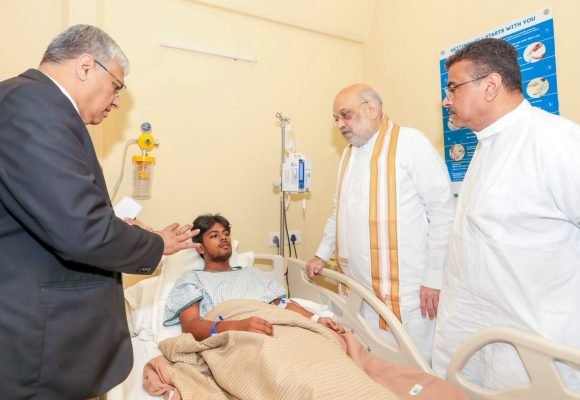
Amit Shah and Suvendu Adhikari Visit Hospital to Meet Kolkata Stampede Victims
Union Home Minister Amit Shah and West Bengal Chief Minister Suvendu Adhikari visited a Kolkata hospital to meet stampede victims and assured the injured of the best possible medical care and necessary assistance.
 OCT 18, 2026
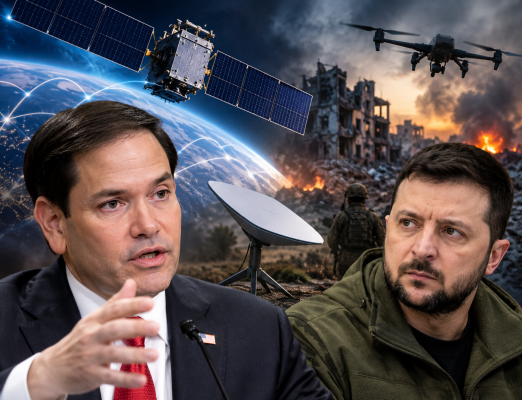
Rubio Clarifies US Position on Starshield for Ukraine
US Secretary of State Marco Rubio says the possible use of Starshield by Ukraine remains under discussion, distinguishing the military satellite system from SpaceX's commercial Starlink service.
 OCT 18, 2026
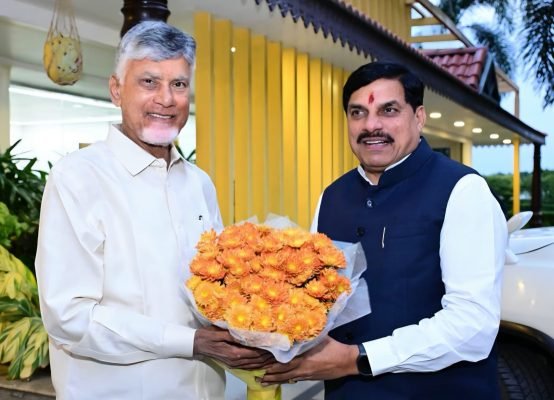
Mohan Yadav Meets Chandrababu Naidu, Reviews Amaravati Development
Madhya Pradesh Chief Minister Mohan Yadav met Andhra Pradesh Chief Minister N. Chandrababu Naidu to learn about development initiatives, including Amaravati’s construction. Nara Lokesh also presented him with a book on the Yuvagalam Padayatra.
 OCT 18, 2026
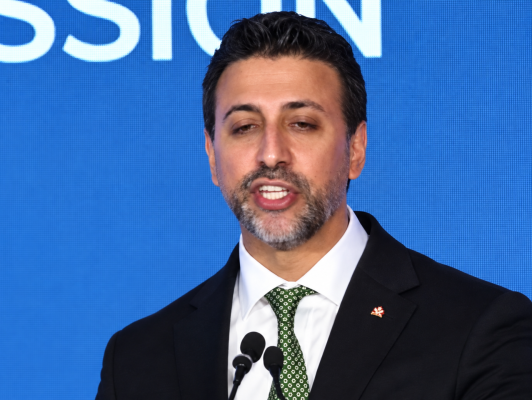
Canada Eyes Long-Term Trade Partnerships with India
Canada’s Trade Minister Maninder Sidhu has highlighted a $2.6 billion uranium supply agreement between Cameco and India while seeking stronger long-term business partnerships during the Team Canada Trade Mission reception in Mumbai.
Comments (0)