

Jharkhand SIR: Kapil Sibal Raises Concerns Over Voter List Process
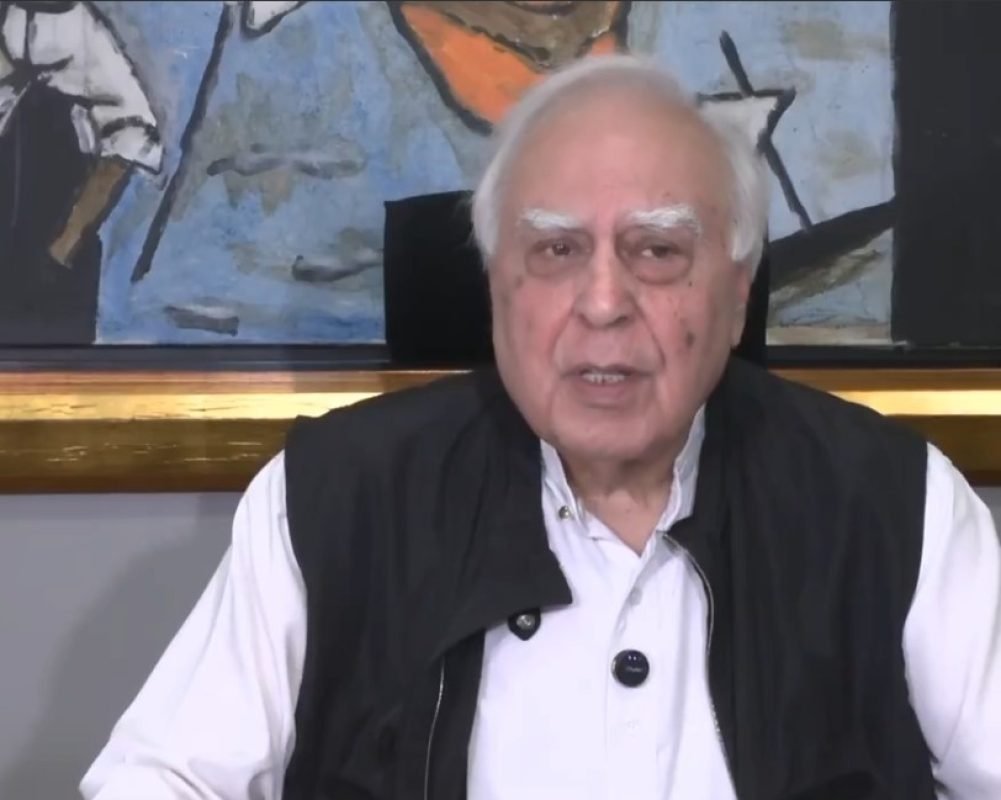
Jharkhand SIR has come under scrutiny following remarks by Rajya Sabha MP and senior advocate Kapil Sibal, who raised concerns over the process of electoral roll revision and the deletion of names from voter lists.
Speaking about the ongoing Special Intensive
Revision (SIR) process in Jharkhand, Sibal questioned the manner in which objections to voters' names are allegedly being raised under Form 7. He also highlighted concerns over the verification process and the role of Booth Level Officers (BLOs) in checking information submitted during the exercise.
According to Sibal, the voter list is the foundation of the electoral process, and any lack of verification in electoral roll revision could have wider implications for the democratic system.
Jharkhand SIR and Form 7 Process
The Jharkhand SIR process includes provisions through which objections can be raised against entries in the electoral roll. Sibal claimed that under Form 7, individuals associated with political parties could raise objections regarding whether a particular person resides at a given address and seek removal of that person's name from the voter list.
He questioned whether such objections are always supported by adequate factual information.
Sibal said that, in one instance, a Booth Level Officer reportedly objected to a deletion request, questioning the absence of a substantive factual basis for removing the voter's name.
Kapil Sibal Questions Verification
Sibal's remarks focused particularly on the importance of verification before a voter's name is removed from the electoral roll.
He argued that electoral rolls cannot be treated merely as administrative documents because they determine who is able to participate in elections.
According to him, any process that results in legitimate voters being excluded needs to be carefully scrutinised.
The senior advocate also alleged that several BLOs had admitted to being instructed to upload data without proper verification. These allegations, if established, could raise questions about the implementation of the Jharkhand SIR exercise.
Sibal Raises Questions Over Democratic Process
Taking a strong position on the issue, Sibal questioned the broader implications of electoral roll deletions.
He asked what purpose elections serve if eligible voters are potentially removed from the voter list. His argument centred on the principle that elections can only function effectively when eligible citizens have a fair opportunity to participate.
Sibal said that the voter list represents the "very foundation" of the democratic system and warned that its credibility must be protected.
The remarks come amid wider political debate over the SIR exercise and the procedures being followed to verify and update electoral rolls.
Allegations Regarding Political Impact
Sibal also alleged that the process could disproportionately affect political opponents of the BJP. He attributed this alleged motive to Chief Election Commissioner Gyanesh Kumar.
However, these are Sibal's allegations and political assertions, and they should not be treated as established facts unless independently verified.
The issue has nevertheless added to the political debate surrounding the Jharkhand SIR, particularly over whether electoral roll revision is being implemented uniformly and transparently.
Importance of BLO Verification
Booth Level Officers play an important role in the electoral roll verification process. Their field-level work can include checking voter information and assisting with the preparation and updating of electoral rolls.
Sibal's concerns underline the importance of ensuring that information submitted for additions, corrections or deletions is properly examined before any final decision is taken.
Related News
 OCT 13, 2026
CII Global MSME Summit Highlights Opportunities and Challenges
New Delhi: Shreekant Somany, Chairman and Managing Director of Somany Ceramics Ltd., called for stronger collaboration between micro, small and medium enterprises (MSMEs), the government and industries to capitalise on opportunities emerging from global economic changes. Speaking at the 23rd CII Global MSME Business Summit in Delhi, he highlighted challenges related to tariffs, rising costs and access to finance.
 OCT 13, 2026
India-UK CETA Opens New Business and Investment Opportunities
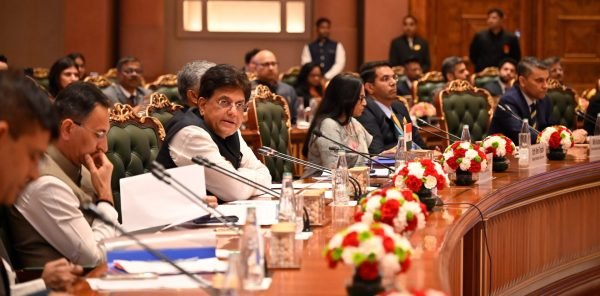
The India-UK Comprehensive Economic and Trade Agreement (CETA) has been highlighted as a significant milestone in strengthening economic ties between India and the United Kingdom. Addressing the Joint Economic and Trade Committee (JETCO) Business Plenary alongside UK Business and Trade Secretary Jonathan Reynolds, the Indian representative emphasised opportunities for businesses in both countries to expand collaboration, deepen investments and build new partnerships.
 OCT 13, 2026
Kolkata Rally Celebrates Victories in Nandigram and Rejinagar
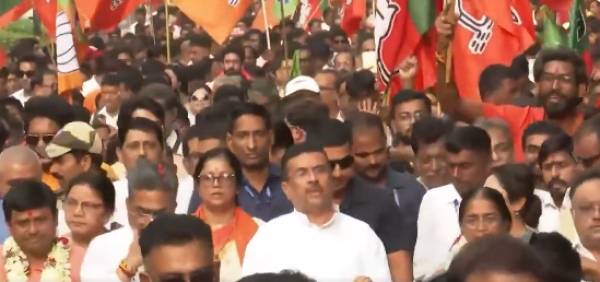
Kolkata: A large gathering of party workers and supporters took to the streets of Kolkata to celebrate the reported victories in Nandigram and Rejinagar. The victory rally was held at Murlidhar Sen Lane, with the event highlighting the party’s message of public trust and support for a “double-engine government”.
 OCT 13, 2026
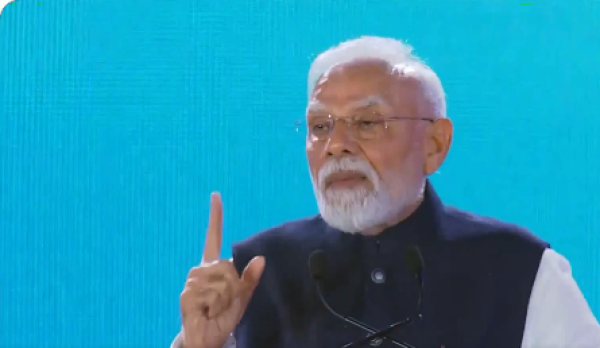
PM Modi Says Reforms Are India’s Conviction, Not Compulsion
New Delhi: Prime Minister Narendra Modi said India views economic reforms as a matter of conviction rather than compulsion while addressing the Bloomberg New Economy Forum. He highlighted the country’s economic growth, foreign exchange reserves and banking system, saying these strengths provide confidence and stability amid global uncertainties.