

Ladakh Grants Industry Status to Hospitality Sector: What Tourists Should Know
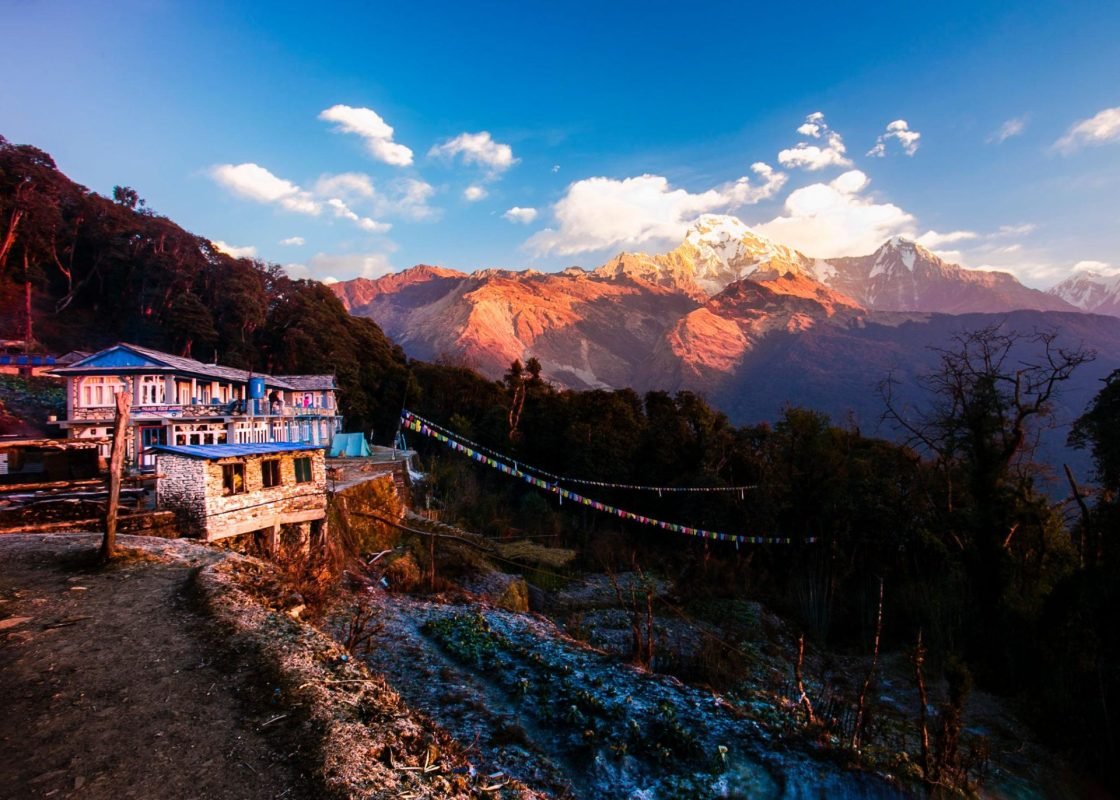
How Ladakh’s new hospitality policy works
According to reports by PTI and ANI, the region currently has 1,257 registered hotels and guesthouses spread across Leh and Kargil.
Under the new policy, these establishments will move from the commercial category to the industrial category for utilities and financial benefits. This shift is expected to significantly lower operational expenses for hotel owners.
Key changes include:
- Electricity tariffs dropping from ₹5.49 per unit to ₹4.10 per unit
- Water charges reducing from commercial rates of up to ₹46 per kilolitre to industrial rates of ₹26 per kilolitre
- Easier access to concessional bank loans for tourism businesses
- Eligibility for subsidies and government support schemes
These benefits are expected to help hospitality businesses invest more in infrastructure, heating systems, eco-friendly tourism and guest services.
Cheaper hotel stays could benefit tourists
One of the biggest impacts for travellers could be more affordable accommodation, especially during peak summer months.
Since tourism in Ladakh is highly seasonal, many hotels currently recover yearly operating costs during a short six-month tourism window. Lower electricity and water expenses may reduce financial pressure on businesses and help stabilise hotel prices.
Tourists could also see improved amenities, including:
- Better room heating during colder months
- More reliable Wi-Fi services
- Improved water management systems
- Enhanced waste disposal and sustainability efforts
Homestays and boutique tourism expected to grow
Ladakh has become increasingly popular among Indian road-trippers, bikers and trekkers looking for authentic local experiences instead of luxury resorts.
The new industry status is expected to particularly benefit local homestays and boutique properties by making financing easier for smaller entrepreneurs.
In a statement shared on X, LG VK Saxena said the reform would strengthen local employment generation and regional development while supporting Ladakh’s culture-driven tourism economy.
Why this matters for your Ladakh trip in 2026
The new policy could gradually extend Ladakh’s tourism season beyond the traditional summer months.
With lower operating costs, more hotels may choose to stay open during spring and autumn, giving travellers additional flexibility while reducing overcrowding during peak periods.
Popular tourist destinations like Pangong Tso and Nubra Valley may also benefit from better eco-tourism infrastructure and sustainable waste management systems.
The administration hopes the move will create more long-term employment opportunities for local residents while strengthening Ladakh’s tourism economy.
Leh and Kargil to see the biggest tourism boost
Most registered hospitality properties are located in:
- Leh – 1,078 units
- Kargil – 179 units
Officials believe the industry status will encourage further investments in tourism infrastructure across both districts.
For travellers, the decision signals a major shift toward making Ladakh a more accessible, sustainable and visitor-friendly destination in the years ahead.
Related News
 OCT 10, 2026
5-Day South Sri Lanka Itinerary: Beaches, Surfing, Sunsets and Nightlife
Planning a beach getaway to South Sri Lanka? Explore this 5-day itinerary featuring Galle Fort, Weligama surfing, Mirissa beach cafes, Koggala sunsets, Hiriketiya Beach and lively coastal nightlife, plus practical tips on transport, food and packing.
 OCT 9, 2026
Cocktail Dress Styling: How to Choose the Perfect Jewellery for Your Neckline and Look
Styling a cocktail dress for a party? Discover expert tips on choosing the right jewellery for your neckline, from layered necklaces and statement earrings to bold gemstone rings that add elegance and personality to your look.
 OCT 9, 2026
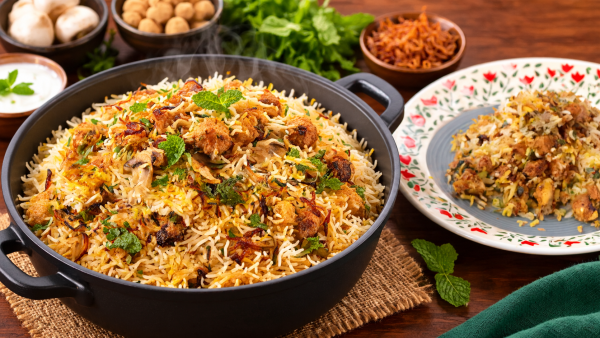
Healthy Soya Mushroom Biryani Recipe Packed With Protein
Healthy soya mushroom biryani by Vanshika Khurana offers a protein- and fibre-rich vegetarian meal made with brown basmati rice, soya chunks and mushrooms.
 OCT 8, 2026
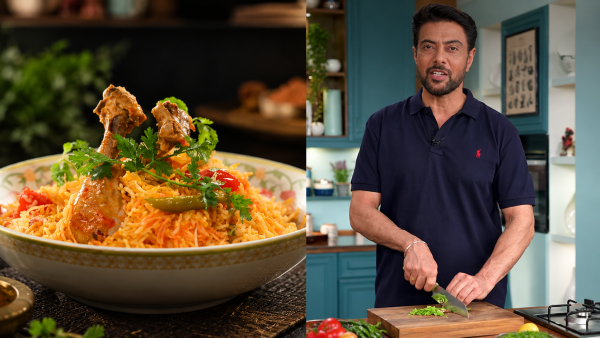
Ranveer Brar Chicken Pulao Recipe: Dhaba-Style Flavour
Ranveer Brar Chicken Pulao Recipe is a delicious one-pot meal featuring juicy, marinated chicken cooked with fragrant basmati rice, whole spices, herbs and a smoky roasted vegetable chutney. The recipe brings the comforting flavours of a dhaba-style meal to the home kitchen without the elaborate preparation associated with biryani.