

DK Shivakumar Visits Maishima Waste-to-Energy Plant in Osaka, Eyes Lessons for Karnataka
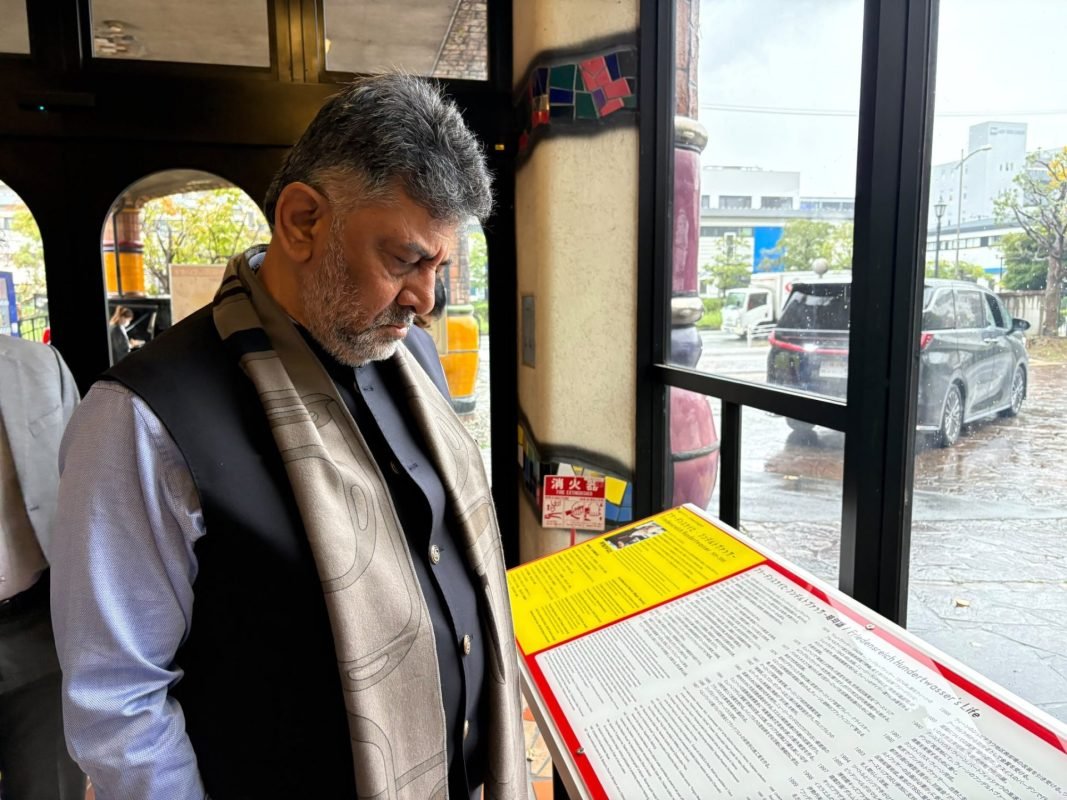
Osaka: Karnataka Chief Minister D.K. Shivakumar on Tuesday visited the Maishima waste-to-energy plant in Osaka with a state delegation to study how Japan uses modern technology and scientific processing to convert municipal waste into electricity.
The visit forms part of Shivakumar’s November 23–25 Japan tour, during which the Karnataka delegation is studying urban planning, waste management, transport and infrastructure models that could offer lessons for Bengaluru and other cities in the state.
Plant Processes Up to 900 Tonnes of Waste Daily
The Maishima facility has been operational since 2001 and can process up to 900 tonnes of municipal waste per day through two incinerators.
Official facility information confirms that the plant has two furnaces with a processing capacity of 450 tonnes per day each. It also includes facilities for handling bulky and non-combustible waste.
Shivakumar said the plant generates power from the waste it processes, meets its own electricity requirements and supplies surplus power to the grid.
Waste-to-Energy Model Draws Karnataka’s Attention
The Chief Minister said the facility demonstrated how scientific waste processing and modern engineering could be combined to address urban solid-waste challenges.
Karnataka’s Japan delegation had already identified waste management and waste-to-energy systems as one of the main areas it intended to study during the visit. Officials from the Greater Bengaluru Authority are part of the delegation.
The state is examining such models as it looks for ways to improve waste handling, urban infrastructure and environmental management.
Advanced Systems Used to Control Emissions
Shivakumar highlighted the plant’s use of advanced systems aimed at controlling emissions and reducing environmental impact.
Technical documentation on the facility says modern pollution-control technologies were incorporated into the plant to minimise emissions from the incineration process.
For fast-growing urban centres, such systems are increasingly important because waste treatment facilities must balance processing capacity with air-quality and environmental safeguards.
Hundertwasser Architecture Makes Plant Unique
The Maishima plant is also notable for its unusual architecture, designed by Austrian artist and environmentalist Friedensreich Hundertwasser.
Its colourful façade, curved forms and extensive use of greenery are intended to integrate art, ecology and industrial infrastructure rather than presenting the facility as a conventional waste-processing complex.
Official material from the Osaka Waste Management Authority identifies Hundertwasser as the designer of the facility and highlights the plant’s distinctive visual character.
Shivakumar Says Karnataka Can Learn From Osaka
Shivakumar said the visit offered valuable lessons for Karnataka as the state explores better ways of managing urban waste and building cleaner and more sustainable cities.
The broader Japan tour also includes discussions on investment, urban redevelopment, transport systems and infrastructure planning. The delegation is scheduled to visit Nagoya, Osaka and Tokyo, while also holding meetings with Japanese companies and institutions.
The Karnataka government is particularly looking at practices that could be adapted for Bengaluru’s rapidly expanding urban infrastructure needs.
Japan Visit Combines Investment and Urban Development Study
Alongside studying public infrastructure, the Karnataka delegation is engaging with major Japanese companies in sectors such as automotive manufacturing, pharmaceuticals, chemicals and industrial automation.
The state government has said the visit is intended both to attract new investment and to examine practical urban solutions in areas including waste management, transit planning and redevelopment.
Shivakumar said the Maishima visit showed how technology, environmental planning and design could work together in building more efficient urban systems.
Related News
 NOV 24, 2026
Hema Malini Remembers Dharmendra: "He Was My Very Existence"
Hema Malini has shared an emotional message remembering her late husband Dharmendra, saying that her grief remains as intense as ever and that life feels empty without his loving presence.
 NOV 23, 2026
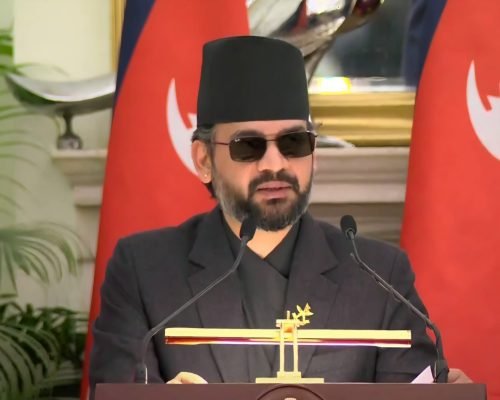
PM Balendra Shah: “Historic Milestones Will Elevate Nepal-India Relations to New Heights”
Nepali Prime Minister Balendra Shah reaffirmed Nepal's commitment to strengthening its historic relationship with India, highlighting new cooperation agreements, infrastructure projects, employment opportunities, investment and shared prosperity.
 NOV 23, 2026
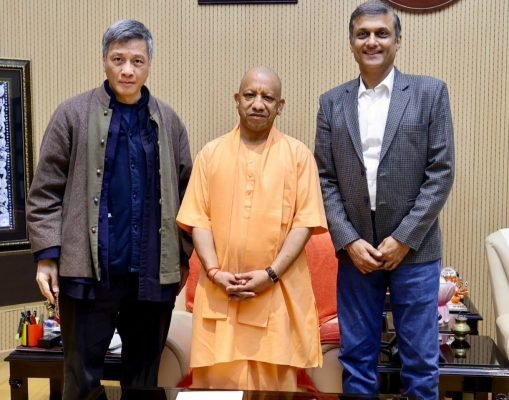
Uttar Pradesh Set to Attract ₹1,141 Crore Investment in Electronics Manufacturing
Taiwan-based Creative Sensor Inc has proposed an investment of ₹1,141 crore to establish an advanced electronics manufacturing facility in Uttar Pradesh, with the potential to create over 1,200 direct jobs.
 NOV 23, 2026
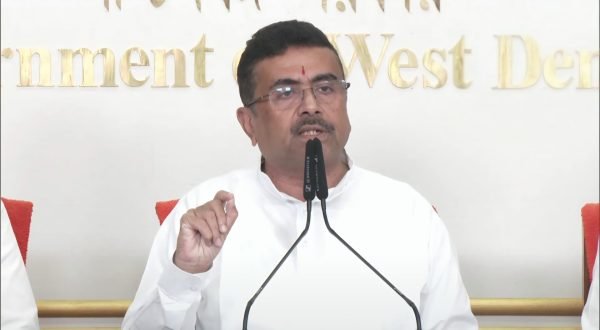
West Bengal to Be Renamed Paschim Banga
West Bengal Chief Minister Suvendu Adhikari has announced that a resolution to rename the state as Paschim Banga will be tabled in the Assembly on December 9. The proposal will be sent to the Centre for approval after its adoption.