

Marco Rubio Calls Strait of Hormuz Toll Plan Illegal and Unsustainable
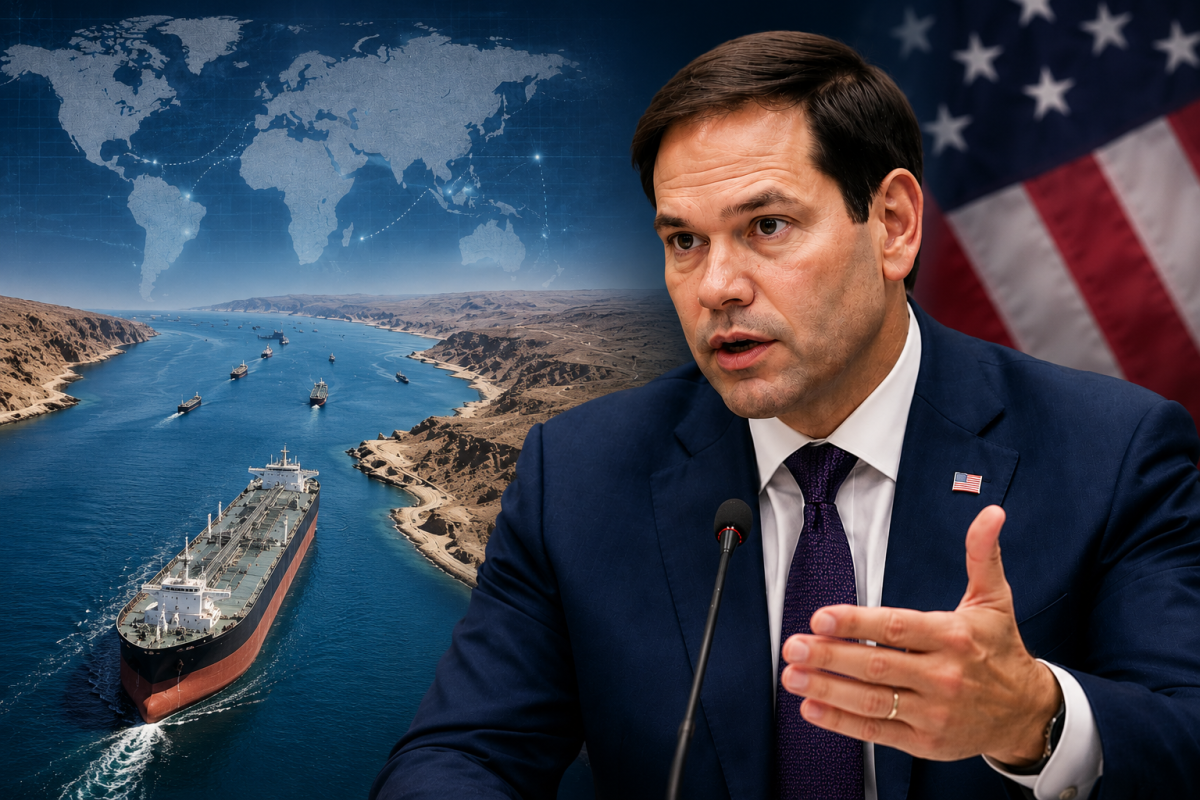
During remarks on the Strait of Hormuz situation, Marco Rubio strongly criticized any proposal for a tolling system in the strategically vital waterway, stating that the passage must remain open and free for international transit.
Rubio said that developments surrounding the Strait of Hormuz are "unlawful, illegal, unsustainable and unacceptable," while emphasizing that no nation across the world would support a toll-based system controlled by Iran. He underscored the significance of keeping the maritime route open, given its critical role in global energy supply and international trade. Recent remarks from Rubio have reinforced Washington's position that uninterrupted access through the Strait remains a major international priority.
The Strait of Hormuz is one of the world's most important maritime chokepoints, carrying a substantial share of global oil and energy shipments. Growing tensions over access and control of the route have increased international concern regarding regional stability and global economic implications.
Related News
 OCT 16, 2026
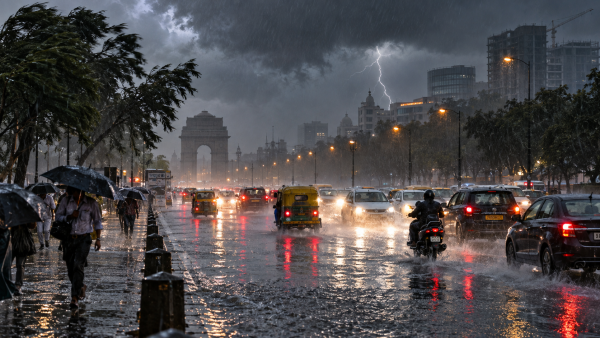
Rain sweeps Delhi-NCR as IMD warns of thunderstorms and gusty winds
The IMD warned of rain, lightning and strong winds across Delhi-NCR, with further showers forecast for Friday before drier weekend conditions.
 OCT 16, 2026
Saudi Arabia executes two Bangladeshis: consulate seeks formal acknowledgement
Saudi Arabia executed two Bangladeshi nationals in the Mecca region on October 14 after courts convicted them of acts inside a mosque that authorities described as immoral. The Saudi Interior Ministry announced the executions, while Banglad
 OCT 16, 2026
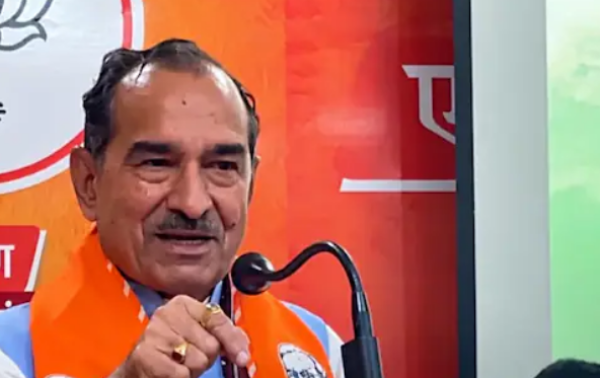
Madan Rathore faces criticism over hypothetical US–Pakistan war remarks
Rajasthan BJP president Madan Rathore drew criticism from Congress and Aam Aadmi Party leaders after suggesting at a programme in Jaipur on Thursday that India would support Pakistan in a hypothetical war with the United States. H
 OCT 16, 2026
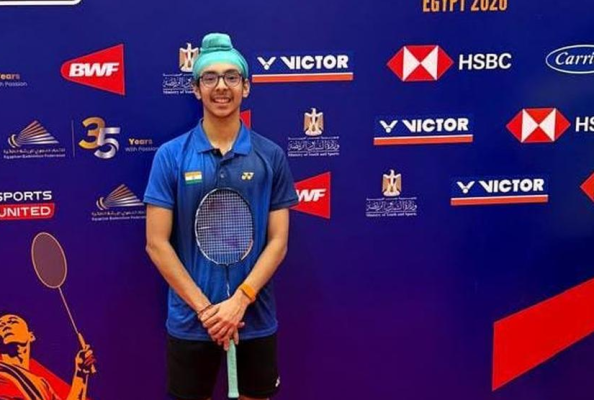
Khangurra reaches world junior badminton semis, secures medal for India
India’s Jagsher Singh Khangurra has reached the boys’ singles semi-finals of the BWF World Junior Championships in Cairo, Egypt, guaranteeing himself at least a bronze medal. He recovered from an opening-game defeat to beat Chinese Taipei’s