

Mohan Bhagwat Highlights ‘One Health’, Traditional Knowledge and Self-Reliance in Nagpur
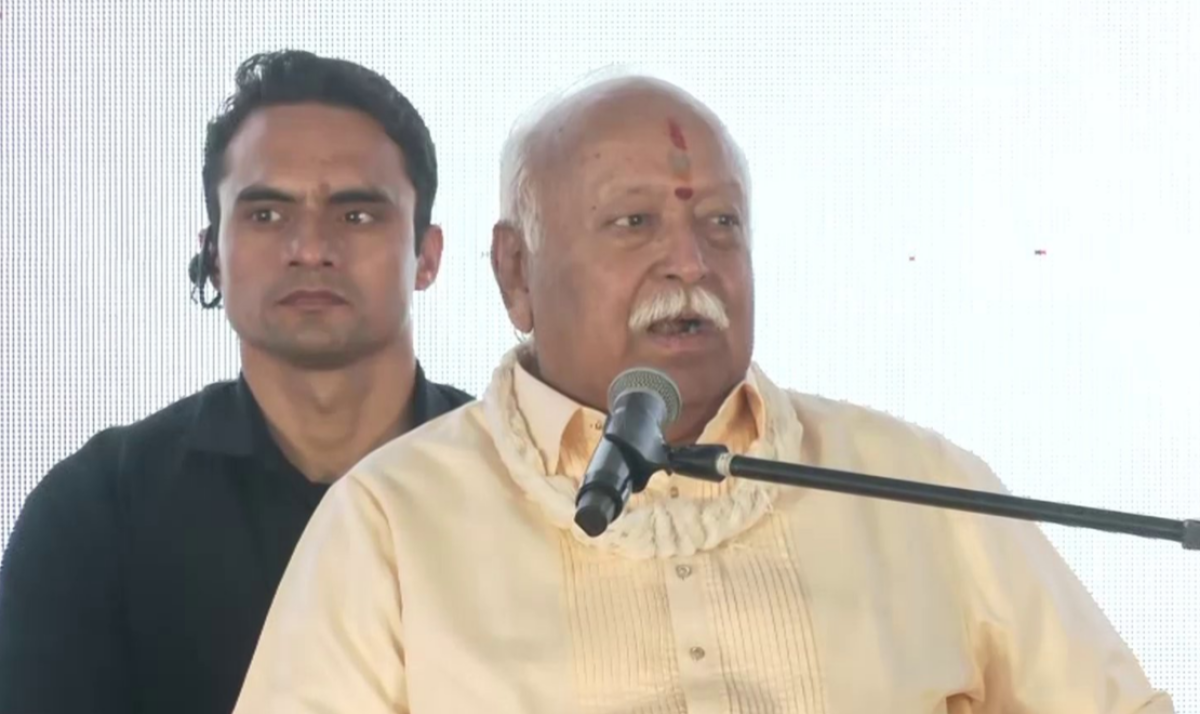
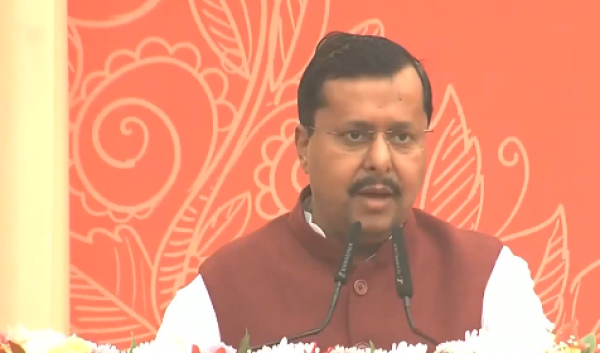
RSS chief Dr Mohan Bhagwat on Thursday highlighted the interconnected nature of human, animal and environmental health while speaking at an event in Nagpur marking the unveiling of the Dattaji Meghe memorial and the inauguration of an Agriculture College and Veterinary Hospital.
Bhagwat, who has a background in veterinary science, said veterinary education had gained greater recognition and modern infrastructure compared with earlier years.
Bhagwat Recalls His Veterinary Background
Bhagwat said people occasionally reminded him that he was a veterinary doctor and acknowledged that veterinary professionals had not always received the same recognition as those in other medical fields.
He said that situation had changed, with veterinary students today benefiting from improved facilities, technology and academic infrastructure.
Bhagwat has previously spoken publicly about his veterinary background while advocating a larger role for veterinarians in public health and policymaking.
‘One Health’ Links Humans, Animals and Environment
A major theme of Bhagwat’s address was the concept of One Health.
He said poor environmental health ultimately affects human health, while diseases affecting animals can damage livelihoods and also increase the risk of infections spreading to people.
The World Health Organization describes One Health as an integrated approach recognising that the health of humans, animals, plants and ecosystems is closely interconnected.
Bhagwat Links Concept With Indian Traditions
Bhagwat argued that principles similar to One Health had been understood within Indian civilisation and traditional practices for centuries.
He said Indian traditions had long emphasised coexistence between people, animals and nature.
This was Bhagwat’s interpretation of traditional Indian knowledge; modern One Health as a formal public-health framework has been developed through contemporary scientific and international collaboration.
References Vasubaras and Govardhan Traditions
Bhagwat referred to Vasubaras, which marks the beginning of Diwali festivities in parts of Maharashtra and includes the worship of cows and calves.
He also mentioned the practice of preparing Govardhan representations using cow dung during festive rituals.
Bhagwat said such customs reflected an older understanding of the relationship between cattle, agriculture, nature and human society.
Says World Increasingly Recognising Natural Resources
The RSS chief said practices and traditional materials that were once dismissed were increasingly being reconsidered as societies looked for environmentally sustainable solutions.
He specifically referred to the use of cow dung and argued that its practical value was now receiving wider recognition.
Cow dung is used in several agricultural and rural applications, including organic manure, biogas production and some traditional construction practices.
Animal Health Also Linked to Livelihoods
Bhagwat stressed that veterinary health had economic consequences beyond disease treatment.
Poor animal health can affect:
Milk and livestock production
Farmers’ incomes
Food systems
Rural livelihoods
Risks from zoonotic diseases
WHO notes that more than 60% of reported emerging infectious diseases globally originate in animals, illustrating why animal and human health surveillance are increasingly coordinated.
Calls for Developing Indigenous Capabilities
Bhagwat also spoke about self-reliance, saying India should identify and develop resources, knowledge and capabilities already available within the country.
He argued that strengthening indigenous capacity could reduce dependence on external sources.
His remarks placed traditional knowledge systems alongside modern science and technology as potential components of national development.
Self-Reliance Should Benefit Wider World, Says Bhagwat
Bhagwat said self-reliance should not mean isolation.
He argued that a nation should build its own capabilities while also contributing to the well-being and development of other countries.
He described humanity as part of a larger family and said national progress should ultimately contribute to wider global welfare.
One Health Gaining Global Importance
The Mohan Bhagwat One Health remarks come as the approach receives increasing attention from international health organisations.
WHO, the Food and Agriculture Organization, UN Environment Programme and World Organisation for Animal Health work together through the One Health framework to address threats including:
Zoonotic diseases
Antimicrobial resistance
Food safety
Environmental degradation
Emerging infectious diseases
The approach gained particular prominence following the COVID-19 pandemic because of greater awareness of links between human activity, ecosystems and emerging disease risks.
Veterinary Education Key to One Health Approach
Veterinary professionals play an important role in monitoring diseases that can move between animals and humans.
Bhagwat said veterinary education should therefore be viewed not merely as animal treatment but as part of a much wider system involving public health, food security, agriculture and environmental protection.
He had made a similar point earlier this year while calling for stronger institutional representation for veterinary professionals.
Bhagwat Emphasises Traditional Knowledge and Modern Science
The RSS chief’s Nagpur address combined his advocacy of modern veterinary education with a broader argument about traditional Indian knowledge.
He said India should examine its historical practices scientifically, identify useful knowledge and develop those capabilities rather than depending entirely on external models.
The speech ultimately centred on three themes: One Health, environmental responsibility and self-reliance.
Related News
 NOV 12, 2026
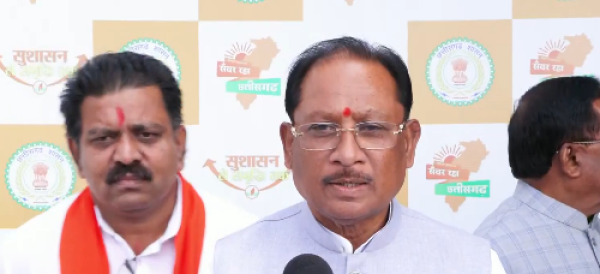
Vishnu Deo Sai Heads to Bhopal, Announces Nitin Nabin for Janjatiya Gaurav Diwas
Chhattisgarh Chief Minister Vishnu Deo Sai is visiting Bhopal for the memorial rites of Shivraj Singh Chouhan’s mother and said Nitin Nabin will attend Janjatiya Gaurav Diwas in Raigarh.
 NOV 12, 2026
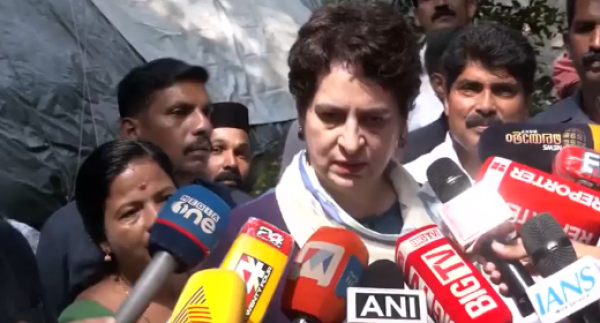
Priyanka Gandhi Says Peaceful Protest Is a Constitutional Right
Congress MP Priyanka Gandhi Vadra, speaking in Mananthavady, said governments must remain accountable and citizens should be free to hold peaceful protests.
 NOV 12, 2026
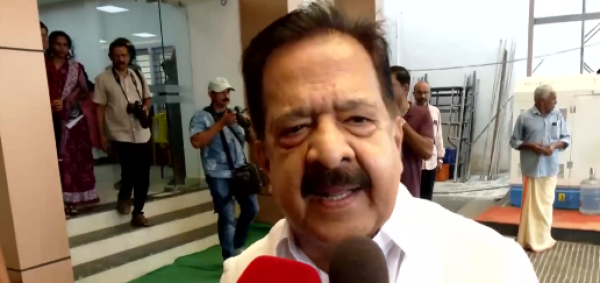
Chennithala Defends Protest-Tent Removal, Warns Against Reckless Driving in Keralam
Keralam Home Minister Ramesh Chennithala defended police action against an LPST protest tent and said reckless, drunk and competitive bus driving would not be tolerated.
 NOV 12, 2026
Nitin Nabin Highlights PM Modi’s Tradition of Celebrating Diwali With Soldiers
BJP National President Nitin Nabin praised Prime Minister Narendra Modi’s long-running tradition of celebrating Diwali with armed forces and security personnel.
Comments (0)