

Nepal Floods: Families Begin Funeral Rites for Missing Relatives
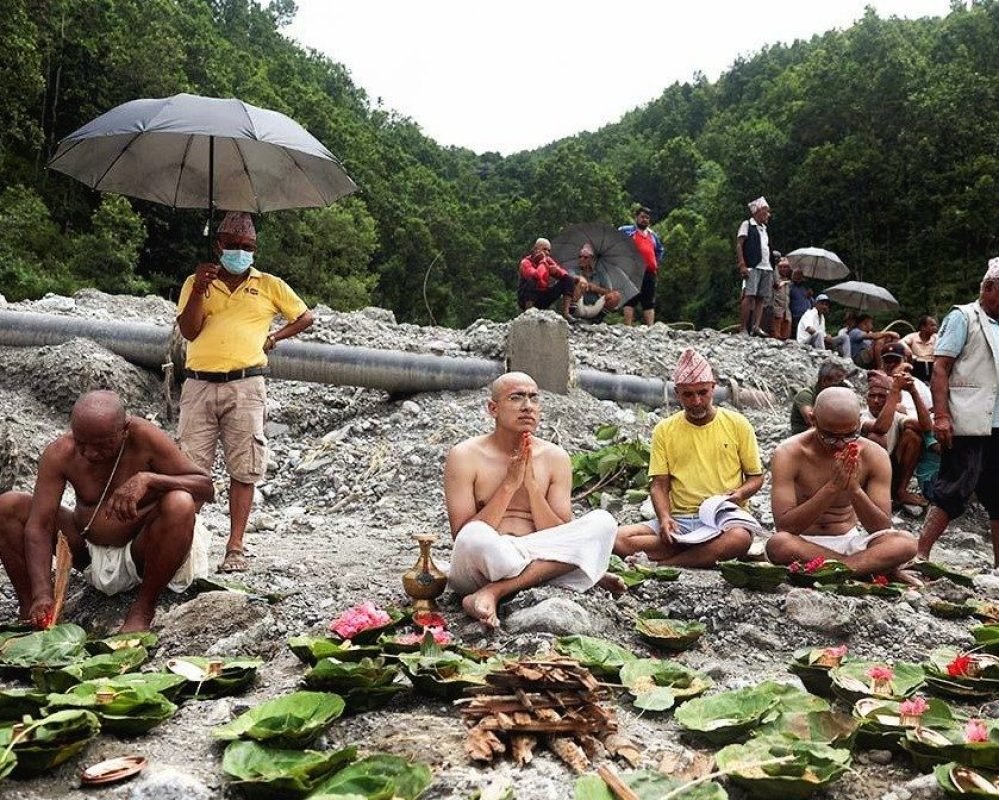
Nepal Floods have left families facing an agonising wait as hopes of finding relatives missing since the devastating August 26 disaster begin to fade. Eight days after the Bhotekoshi floods swept through parts of Nepal, some families have started performing funeral rites using symbolic effigies for loved ones who remain untraced.
The floods destroyed homes, roads and bridges and devastated several settlements along the Trishuli riverbanks. Hundreds of people were reported dead and thousands missing in the aftermath of the disaster, leaving communities struggling to recover while continuing to search for those still unaccounted for.
Families in Rasuwa Begin Mourning Rituals
In Paharebesi village of Rasuwa district, families have begun preparing to perform funeral rites for relatives who have remained missing for eight days, according to reports by Onlinekhabar.
With no information about the whereabouts of their loved ones, some families have reached the painful decision to begin the traditional mourning process.
However, the disaster has made even these rituals difficult. Many affected families have lost their homes, while priests and suitable places to conduct the ceremonies are also in short supply.
Uttargaya Rural Municipality Chairperson Madhav
Prasad Aryal said families who believed their missing relatives were unlikely to be found had started the process of performing the final rites.
Floods Destroy Homes and Communities
The impact of the Nepal Floods has extended far beyond the loss of lives. Entire settlements have been severely damaged, leaving survivors without adequate shelter at a time when they are also dealing with the loss or disappearance of family members.
“Almost nothing remains of the old settlement,” Deputy Chairperson Chameli Gurung was quoted as saying. She added that it was not possible for everyone to stay together while observing the mourning rituals.
The destruction has therefore created an additional challenge for families attempting to follow traditional customs during an already difficult period.
More Families Leave Paharebesi
More than 20 families from Paharebesi have reportedly travelled to Kathmandu and other locations to observe the mourning period. Additional families were preparing to leave the flood-affected settlement as well.
The movement highlights the difficult circumstances facing residents whose homes and community infrastructure have been damaged or destroyed.
For many, leaving the affected area has become necessary to find shelter and facilities required to carry out traditional mourning practices.
Symbolic Effigies Used for Missing Relatives
In several flood-hit areas, families have reportedly begun using effigies made from kusha grass while performing final rites for relatives who remain untraced.
The traditional practice has emerged amid diminishing hopes of locating some missing people.
For families, the symbolic rites provide a way to begin mourning despite the absence of confirmation about the fate of their loved ones.
The situation reflects the emotional and humanitarian consequences of the disaster, as survivors cope simultaneously with displacement, uncertainty and loss.
Kathmandu Facilities Struggle to Accommodate Families
The effects of the Nepal Floods have also reached Kathmandu, where facilities used by families observing mourning rituals are reportedly operating at full capacity.
According to The Kathmandu Post, several public facilities intended for families carrying out mourning ceremonies were already occupied. As a result, some flood-affected families have had to wait for rooms to become available.
Kiriyaputri Bhawan Receives Flood-Affected Families
At the Kiriyaputri Bhawan at Rudramati Mahadev Temple in Tarakeshwar, eight groups were reportedly staying at the facility.
Each group had lost between three and five family members in the Rasuwa floods, according to the report.
Related News
 OCT 13, 2026
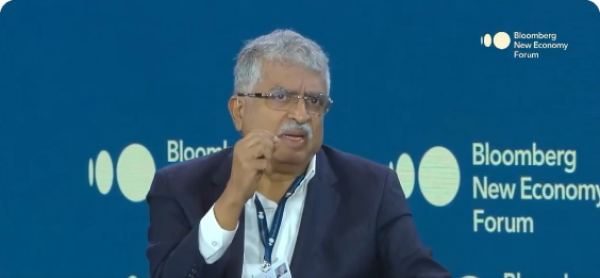
Nandan Nilekani Proposes Question Bank to Prevent NEET Paper Leaks
Infosys co-founder Nandan Nilekani has proposed creating a massive question bank and generating examination papers at the last minute to address concerns over paper leaks, including the NEET controversy. He also called for expanding computer-based testing infrastructure across India to strengthen the examination system.
 OCT 13, 2026
CII Global MSME Summit Highlights Opportunities and Challenges
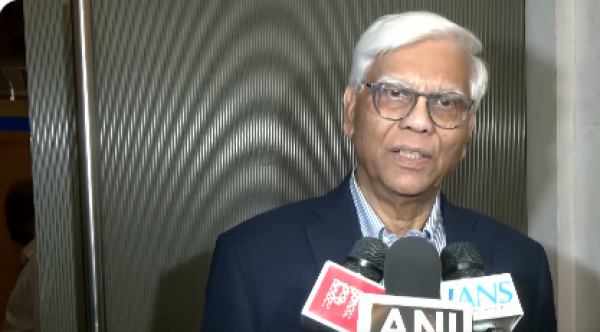
New Delhi: Shreekant Somany, Chairman and Managing Director of Somany Ceramics Ltd., called for stronger collaboration between micro, small and medium enterprises (MSMEs), the government and industries to capitalise on opportunities emerging from global economic changes. Speaking at the 23rd CII Global MSME Business Summit in Delhi, he highlighted challenges related to tariffs, rising costs and access to finance.
 OCT 13, 2026
India-UK CETA Opens New Business and Investment Opportunities
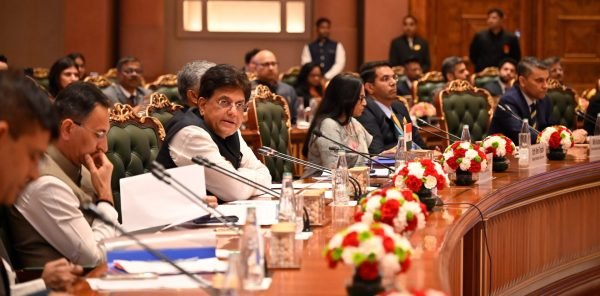
The India-UK Comprehensive Economic and Trade Agreement (CETA) has been highlighted as a significant milestone in strengthening economic ties between India and the United Kingdom. Addressing the Joint Economic and Trade Committee (JETCO) Business Plenary alongside UK Business and Trade Secretary Jonathan Reynolds, the Indian representative emphasised opportunities for businesses in both countries to expand collaboration, deepen investments and build new partnerships.
 OCT 13, 2026
Kolkata Rally Celebrates Victories in Nandigram and Rejinagar
Kolkata: A large gathering of party workers and supporters took to the streets of Kolkata to celebrate the reported victories in Nandigram and Rejinagar. The victory rally was held at Murlidhar Sen Lane, with the event highlighting the party’s message of public trust and support for a “double-engine government”.