

Iranian President Masoud Pezeshkian Arrives in New Delhi for BRICS Summit

Iranian President Masoud Pezeshkian arrived in New Delhi on Friday to participate in the BRICS Summit and hold bilateral discussions with Prime Minister Narendra Modi, with India and Iran expected to explore ways to expand two-way trade and deepen their broader relationship.
The visit marks Pezeshkian's first trip to India as Iran's president and comes at a significant time, with tensions escalating across West Asia and fresh US economic measures targeting Iran.
Pezeshkian to Hold Bilateral Talks With PM Modi
Pezeshkian is scheduled to meet Prime Minister Narendra Modi in New Delhi for bilateral talks on Friday evening. Discussions are expected to cover trade, economic cooperation and wider bilateral ties, along with developments in the region.
The meeting assumes added importance against the backdrop of growing geopolitical uncertainty in West Asia and disruptions affecting regional trade and energy flows.
Iran Calls for Greater BRICS Economic Resilience
Ahead of his departure for New Delhi, Pezeshkian stressed the importance of strengthening BRICS' economic resilience.
He highlighted the role of the New Development Bank, commonly known as the BRICS Bank, in reducing dependence on the US dollar and challenging what he described as efforts by Washington to maintain economic dominance.
His comments underline Iran's interest in strengthening economic cooperation within the BRICS framework at a time of increasing global economic fragmentation.
BRICS Summit to Focus on Collective Resilience
India is hosting the two-day BRICS Summit in New Delhi, with discussions expected to focus on strengthening collective resilience in key areas including food, energy, healthcare, disaster risk reduction and critical supply chains.
New Delhi is positioning BRICS as an important platform for cooperation amid a rapidly changing geopolitical and economic landscape.
The summit comes as the global economy faces pressure from the continuing Russia-Ukraine conflict, the West Asia crisis, concerns surrounding the Strait of Hormuz, and the Trump administration's trade and tariff policies.
Against this backdrop, the participation of Iran's president adds further significance to discussions on energy security, trade connectivity, economic cooperation and the evolving role of BRICS in global affairs.
Related News
 OCT 22, 2026
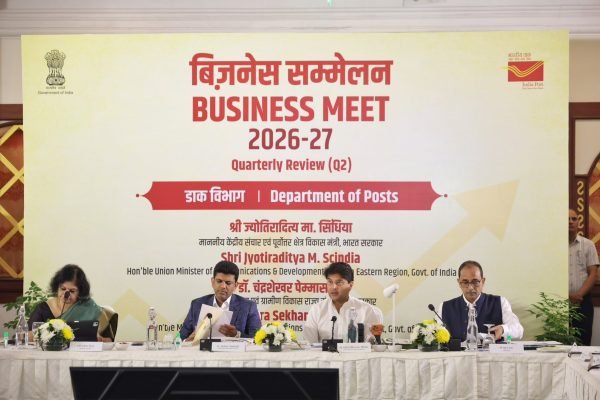
India Post Records ₹4,202 Crore Revenue in Q2, Up 25%
India Post reported ₹4,202 crore in second-quarter revenue, registering 25% year-on-year growth. Parcel services grew 71%, while 19 of 23 postal circles crossed 80% of their Q2 targets.
 OCT 22, 2026
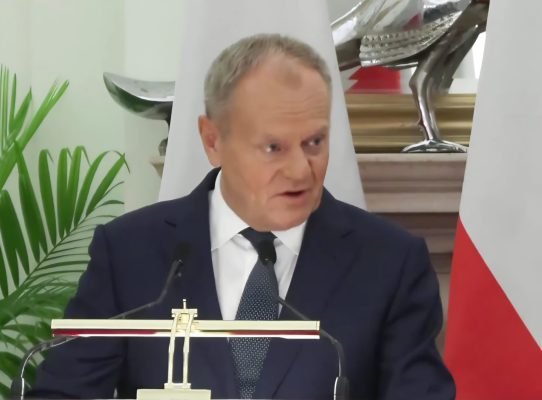
Polish PM Donald Tusk Calls Modi a ‘Beacon of Hope’, Says ‘Proud to Call Myself Your Friend’
Prime Minister Narendra Modi and Polish Prime Minister Donald Tusk reviewed the progress of the India-Poland Strategic Partnership, highlighted shared values and identified priorities for future cooperation. Tusk praised Modi’s global leadership and expressed pride in calling him a friend.
 OCT 22, 2026
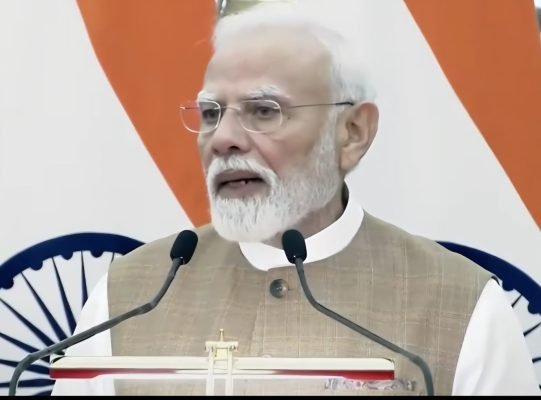
PM Modi Highlights India-Poland Trade and Investment Ties
Prime Minister Narendra Modi highlighted expanding India-Poland economic ties, new export opportunities under the India-EU FTA and plans to strengthen bilateral trade by 2030.
 OCT 22, 2026
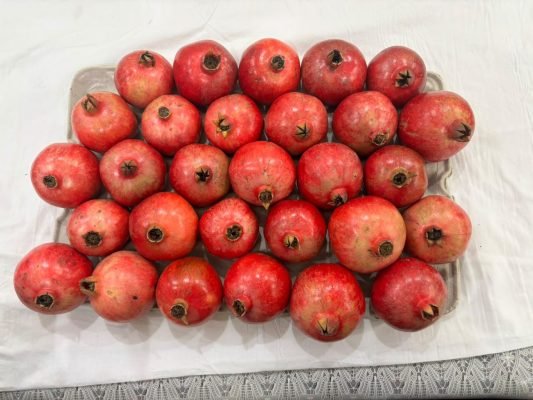
Kullu’s Sinduri Pomegranates Make Their Way to Dubai
Kullu’s Sinduri pomegranates are gaining international recognition, with 1.3 metric tonnes exported to Dubai through APEDA’s support, opening new opportunities for Himachal Pradesh’s farmers.