≈ 27°C Kolkata Tuesday, August 11, 2026
LATEST NEWS
Iranian Foreign Ministry spokesperson Esmail Baghaei said Tehran will not reopen the Strait of Hormuz until the US ends its naval blockade on Iranian ports. Iran is also demanding war compensation, the lifting of economic sanctions and the release of frozen Iranian assets. The continued closure of the key waterway could disrupt global oil supplies and international shipping. | Trump Says US Controls Strait of Hormuz 100% | Rahul Gandhi Demands Amit Shah Answer Delhi Shooting Questions | JP Nadda Accuses Rahul Gandhi of Deliberately Disrupting Parliament Proceedings | Union Commerce and Industry Minister Piyush Goyal interacted with industry leaders, founders, and CEOs during the 15th edition of FICCI Massmerize. The minister engaged with prominent voices from the FMCG, retail, and consumer sectors, discussing key industry priorities and growth opportunities. He encouraged businesses to embrace innovation, strengthen export capabilities, support local enterprises, and compete confidently in global markets, reaffirming the government's commitment to fostering | Goa CM Pramod Sawant Calls on Amit Shah in New Delhi | Cricket: Ruturaj Gaikwad’s century helps India A beat Sri Lanka A by 8 runs in tri-series opener in Dambulla. | China's Xi Jinping starts a two-day trip to North Korea, pledging closer ties with Kim Jong Un in his first Pyongyang visit since 2019. | Ashwini Vaishnaw Promises New Era for Kolkata Metro with 60 Modern Trains |

Trump Sends Strong Message to Iran: Nuclear Program Must End or Face Consequences

By Editorial Team
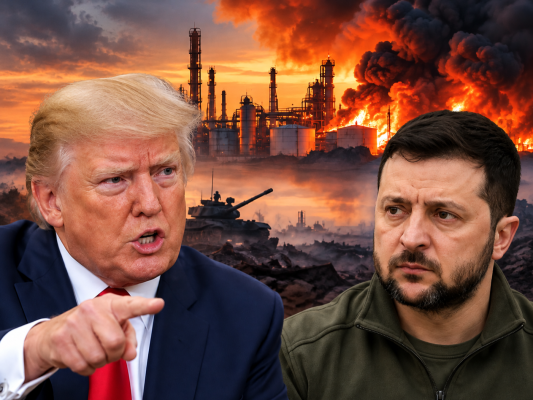
In a fresh and expansive statement, Donald Trump has framed the ongoing conflict with Iran as fundamentally centered on preventing Tehran from acquiring nuclear weapons, while also outlining controversial views on military strategy, oil control, and regional geopolitics. Trump asserted that “the war is about one thing: Iran cannot have a nuclear weapon,” reinforcing a long-standing U.S. red line. He referenced the killing of Iranian General Qassem Soleimani, claiming that his absence has weakened Iran’s position in the conflict. Trump suggested that current military operations have significantly degraded Iran’s capabilities, even as he expressed reluctance over the scale of destruction. In a striking remark, Trump said that if it were solely his decision, he would consider taking control of Iran’s oil resources, arguing it could generate economic gains while also allowing the U.S. to “take care of the people of Iran.” However, he acknowledged that such a move may not align with public sentiment in the United States. The U.S. President also cited alleged human rights abuses by the Iranian regime, claiming tens of thousands of protesters had been killed, contrasting this with American values. At the same time, he pointed to improving ties with Venezuela as an example of how strategic energy partnerships could benefit the United States, noting ongoing oil refining operations. Trump’s remarks come amid heightened tensions in West Asia, with ongoing diplomatic efforts, military threats, and a looming deadline for Iran to agree to key conditions, including curbs on its nuclear programme and reopening of critical shipping routes like the Strait of Hormuz. Recent developments indicate that while negotiations are still being explored through intermediaries, the situation remains volatile, with warnings of large-scale military action and retaliatory threats from Iran raising fears of a broader regional conflict.
Share this article

Comments (0)