

Trump Slams NATO Over Iran War Support, Revives Greenland Remark Amid Alliance Tensions
Trump highlighted that the United States contributes more than 60% of NATO’s massive $838 billion defense spending, questioning the alliance’s reliability during critical moments. His remarks have reignited long-standing debates about burden-sharing within NATO. In a characteristically statement, Trump said: “NATO WASN’T THERE WHEN WE NEEDED THEM, AND THEY WON’T BE THERE IF WE NEED THEM AGAIN. REMEMBER GREENLAND, THAT BIG, POORLY RUN, PIECE OF ICE!!!” The reference to Greenland recalls his earlier proposal to purchase the Arctic island from Denmark—a move he once justified on strategic and geopolitical grounds. Amid growing friction, reports suggest early discussions within the White House about repositioning approximately 84,000 U.S. troops currently stationed in Europe. Potential shifts could favor countries seen as more cooperative, such as Poland and Greece. Responding to the controversy, NATO Secretary General Mark Rutte acknowledged Trump’s frustration but also commended his leadership, signaling efforts to maintain unity despite mounting tensions. The developments mark a significant strain in transatlantic relations, raising questions about NATO’s cohesion and the future of collective defense amid evolving global conflicts.“NATO WASN’T THERE WHEN WE NEEDED THEM, AND THEY WON’T BE THERE IF WE NEED THEM AGAIN. REMEMBER GREENLAND, THAT BIG, POORLY RUN, PIECE OF ICE!!!” - President Donald J. Trump pic.twitter.com/xgEV8P1n4n
— The White House (@WhiteHouse) April 8, 2026
Related News
 OCT 24, 2026
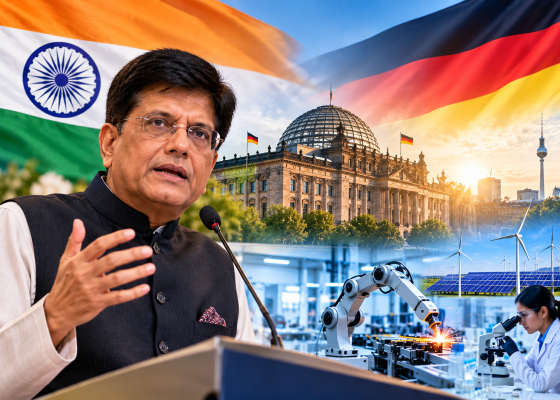
Piyush Goyal Envisions India-Germany R&D and Manufacturing Push
Piyush Goyal has invited German businesses to deepen R&D and manufacturing cooperation with India, combining German precision engineering with Indian talent and cost-effective production to serve global markets.
 OCT 24, 2026
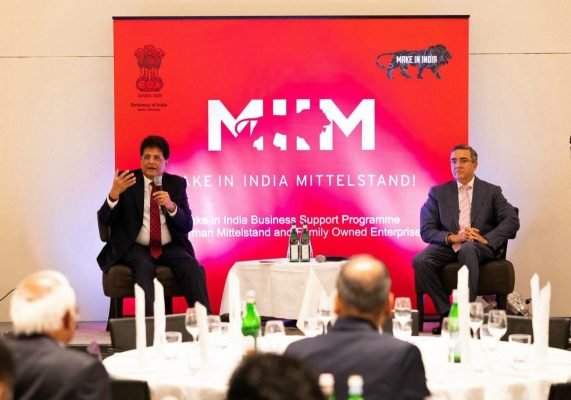
Piyush Goyal Urges Indian Industries to Leverage India-EU Free Trade Agreement
Union Minister Piyush Goyal urged Indian MSMEs to seize opportunities under the India-EU FTA, expand market access and build lasting partnerships with German businesses across key industries.
 OCT 24, 2026
“History Created at Aichi-Nagoya 2026”: Mansukh Mandaviya Celebrates India’s 114 Medals
India achieves its highest-ever Asian Para Games medal tally with 114 medals at Aichi-Nagoya 2026. Sports Minister Mansukh Mandaviya credits Khelo India and TOPS for empowering para-athletes.
 OCT 24, 2026
Asian Para Games 2026: India Wraps Up Historic Campaign with Record 114 Medals
India concluded its Asian Para Games 2026 campaign with a record 114 medals, including 30 gold, 35 silver and 49 bronze. Day 5 featured a world-record sprint by Sandeep Kumar, Sumit Antil's javelin gold, para-badminton triumphs and para-archery success, marking India's best-ever performance at the competition.
Comments (0)