

Yogi Adityanath Urges All 80 UP MPs to Back Delimitation Bill for Women’s Reservation
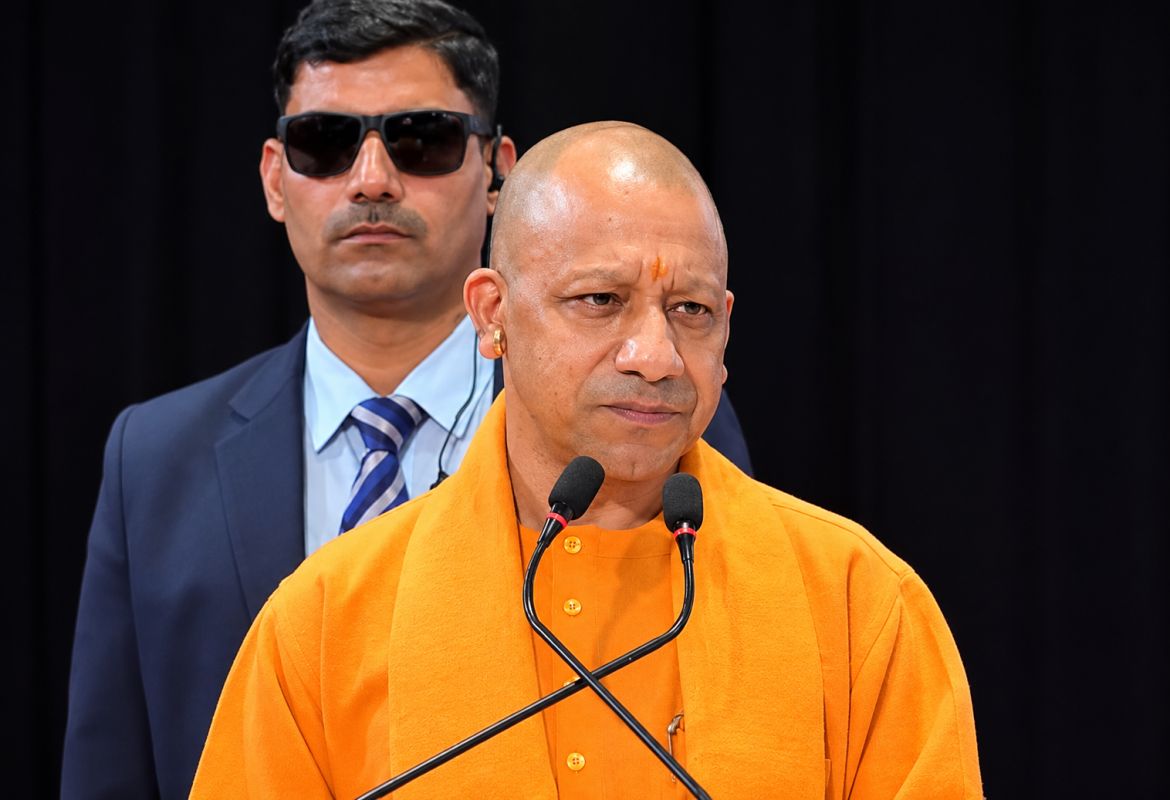
Uttar Pradesh Chief Minister Yogi Adityanath on Saturday appealed to all 80 Lok Sabha MPs from the state to support the Centre’s proposed delimitation legislation, saying it would pave the way for implementation of 33% reservation for women in Parliament and state legislative assemblies from the 2029 elections.
Speaking in Tulsipur in Balrampur district, Adityanath welcomed the Union Cabinet’s approval of the revised delimitation package and said the move would help operationalise the Nari Shakti Vandan Adhiniyam within a defined timeline.
Yogi Appeals to All 80 UP MPs
Adityanath said MPs from Uttar Pradesh should collectively support the legislation when it comes before Parliament.
He described the proposal as an important step towards ensuring at least one-third representation for women in the Lok Sabha and state assemblies.
The Chief Minister said women’s reservation would initially operate for 15 years, with reserved constituencies rotating periodically under the proposed framework.
Cabinet Clears Revised Delimitation Package
The Union Cabinet on November 27 cleared a fresh package of legislation linked to delimitation and implementation of the women’s reservation law.
The Constitution (132nd Amendment) Bill, 2026 proposes increasing the number of Lok Sabha and state assembly seats by 50% while preserving the existing inter-state representation ratio. The Lok Sabha ceiling would rise to 850 seats.
The proposed exercise would use the 2011 Census for constituency demarcation, while the relative allocation of seats among states would continue to reflect the existing formula rather than immediately redistributing seats solely according to newer population levels.
Women’s Reservation Targeted for 2029 Elections
The revised legislative package is intended to enable implementation of the 33% women’s quota in time for the 2029 Lok Sabha elections.
The Nari Shakti Vandan Adhiniyam, enacted in 2023, provides one-third reservation for women in the Lok Sabha and state assemblies but ties implementation to a delimitation exercise following a census.
The new proposal seeks to accelerate that process by using 2011 Census data rather than waiting for a later census-linked delimitation.
Seats in Lok Sabha and Assemblies Could Rise 50%
Under the Cabinet-cleared proposal, every state and Union Territory would receive a 50% increase in Lok Sabha representation, while state assemblies would also expand proportionately.
The maximum strength of the Lok Sabha would be capped at 850, while state assemblies could have up to 650 members.
The government says the formula is designed to address concerns that states with lower population growth could lose relative representation after delimitation.
Yogi Calls Proposal a Step Towards Women Empowerment
Adityanath said expanding women’s representation in elected institutions would strengthen their role in national decision-making.
He linked the legislation with the broader objective of women’s empowerment and the government’s vision of a developed and self-reliant India.
His remarks were supportive of the Cabinet proposal and represent the Uttar Pradesh government’s position on the legislation.
Special Parliament Session From November 30
The legislation is expected to be taken up during Parliament’s special sitting beginning November 30.
The Lok Sabha will reconvene on November 30, while the Rajya Sabha is scheduled to meet from December 2.
Because the proposal involves constitutional amendments, it will require a two-thirds majority of members present and voting in both Houses, along with ratification by at least half of the states for relevant provisions.
Opposition Parties Continue Consultations
The delimitation proposal has also generated debate among opposition and regional parties, particularly over how representation among states should be protected.
Some parties have raised concerns that population-based redistribution could disadvantage states that successfully reduced population growth, while the revised proposal seeks to retain current proportional representation and freeze the arrangement until 2051.
With Parliament preparing to consider the legislation, the delimitation package and women’s reservation are expected to remain among the most closely watched issues during the special session.
Related News
 NOV 28, 2026
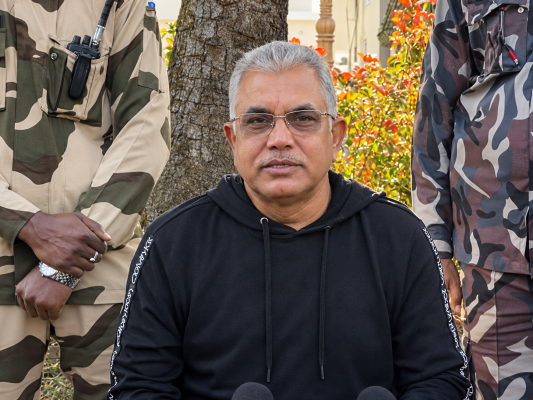
Dilip Ghosh Backs Delimitation Seat Increase, Comments on Asansol Encounter
West Bengal Minister Dilip Ghosh supported the proposed expansion of Lok Sabha seats under delimitation and defended police action following the Asansol encounter.
 NOV 28, 2026
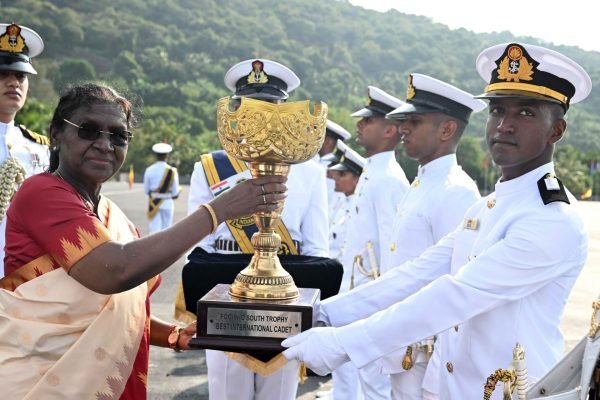
President Droupadi Murmu Reviews Indian Naval Academy Passing Out Parade at Ezhimala
President Droupadi Murmu reviewed the Autumn Term 2026 Passing Out Parade at the Indian Naval Academy in Ezhimala and urged trainees to recognise the wider national importance of maritime security.
 NOV 27, 2026
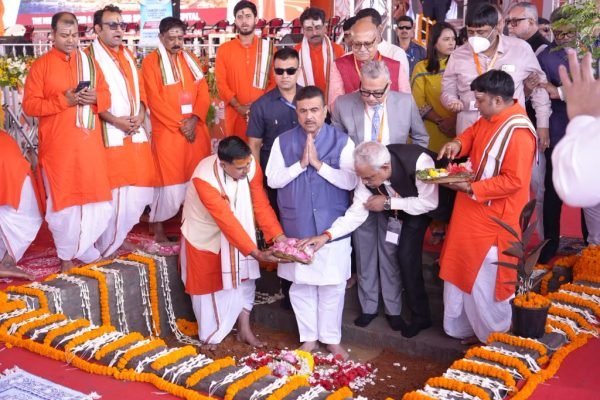
Suvendu Adhikari Inaugurates Cancer Care Unit at Mission Hospital Durgapur
West Bengal Chief Minister Suvendu Adhikari inaugurated a new Cancer Care Unit at Mission Hospital in Durgapur and outlined plans to expand cancer treatment infrastructure across the state.
 NOV 27, 2026
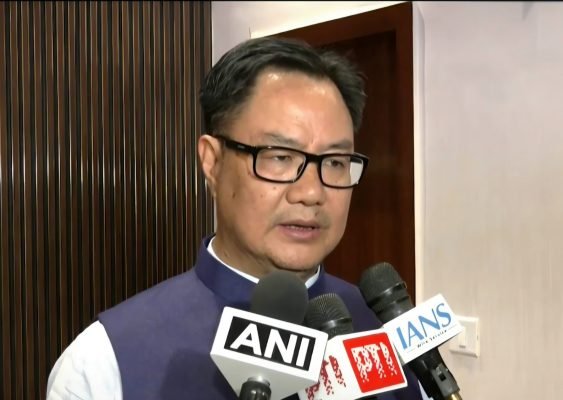
Kiren Rijiju: "Whenever There Is Important Work, Government Convenes Parliament"
Parliamentary Affairs Minister Kiren Rijiju announces a four-day Parliament session from November 30 to December 3, with important business scheduled in the Lok Sabha and Rajya Sabha.