

Zelenskyy Urges Europe to Unlock Aid, Step Up Defense Support
Zelenskyy outlined several factors that could embolden Russia’s position: Rising Oil Prices: Escalating tensions in West Asia, particularly involving Iran, have driven up global oil prices—potentially boosting Russian revenues. Air Defense Strain: Increased deployment of air defense systems across the Middle East and Gulf regions could lead Moscow to believe that Ukraine may face shortages in critical missile supplies. Sanctions Slowdown: The European Union’s proposed 20th sanctions package against Russia remains stalled, weakening pressure on the Kremlin.In the past few days, we have received signals from the American side that talks may resume soon. But with what mindset will the Russian side come to the talks this time?
— Volodymyr Zelenskyy / Володимир Зеленський (@ZelenskyyUa) March 19, 2026
It depends on all of us together to make sure the Russians do not come to these talks feeling that their… pic.twitter.com/ouC4WNdVpG
Easing U.S. Restrictions: Partial sanctions relief from the United States could inject additional funds into Russia’s war economy. Delayed Financial Support: A €90 billion European financial assistance package for Ukraine—intended to bolster security and stability—has yet to be activated, raising uncertainty over sustained support. Zelenskyy emphasized the importance of maintaining and accelerating European backing, particularly in strengthening Ukraine’s air defense capabilities and drone production.We value European support in protecting Ukraine from Russian strikes – especially when it comes to air defense and drone production.
— Volodymyr Zelenskyy / Володимир Зеленський (@ZelenskyyUa) March 19, 2026
We should continue using every opportunity to find missiles for Patriot systems. That’s why the PURL program is helpful. I thank everyone who… pic.twitter.com/FC5rQhdDOj
He specifically highlighted the need to secure additional missiles for Patriot systems and endorsed initiatives like the PURL program, despite acknowledging differing views within Europe on funding allocations. Reiterating Ukraine’s long-term strategic goal, Zelenskyy urged European leaders to provide a clear timeline for Ukraine’s accession to the EU. He argued that a firm commitment would send a strong signal to Russia that Ukraine’s integration into Europe is irreversible. “Russia must clearly see and truly feel that Ukraine will be in Europe—and that this cannot be stopped,” he said, warning against bureaucratic delays that could undermine unity and trust within the bloc. As diplomatic signals emerge and battlefield realities evolve, Zelenskyy’s remarks underscore a pivotal moment for Europe’s role in shaping the trajectory of the conflict. The coming weeks may determine not only the terms of potential negotiations but also the broader security architecture of the region.Russia must clearly see and truly feel that Ukraine will be in Europe – and that this cannot be stopped. That is why we are carrying out internal reforms and working externally to secure a clear date for Ukraine’s EU membership.
— Volodymyr Zelenskyy / Володимир Зеленський (@ZelenskyyUa) March 19, 2026
If there is a clear date, it will mean that… pic.twitter.com/TmcItKckYU
Related News
 OCT 15, 2026
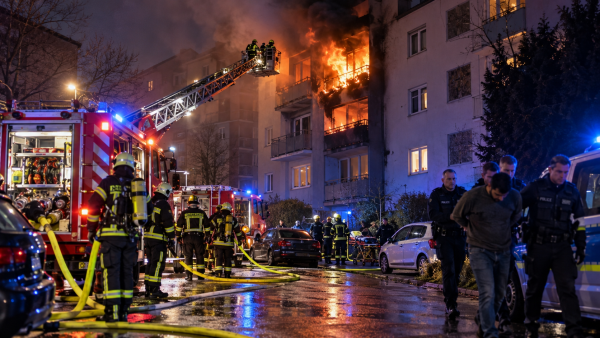
Three Indians die in Bochum apartment fire; resident arrested on murder suspicion
Three Indians died in an apartment fire in Bochum, Germany. Police arrested a resident on suspicion of murder as officials arranged repatriation.
 OCT 15, 2026
Czech Deputy PM Highlights India’s Growth at Business Forum
Czech Deputy PM Karel Havlíček praises India's achievements and people at the Czech-India Industry and Business Forum, highlighting opportunities to strengthen bilateral business ties.
 OCT 15, 2026
Piyush Goyal Projects Over 7.5% Growth, Eyes India-Canada Trade Deal
Piyush Goyal has expressed confidence in an early India-Canada economic partnership agreement, highlighting business collaboration, India's growth prospects and the ambition to build a $30 trillion economy by 2047.
 OCT 15, 2026
Canada-India Trade Deal Targets $70 Billion by 2030
Canada’s Trade Minister Maninder Sidhu says ongoing negotiations for the proposed India-Canada trade agreement could help more than double bilateral trade to over $70 billion by 2030.
Comments (0)