

West Bengal Assembly Passes Tough Anti-Goonda Bill
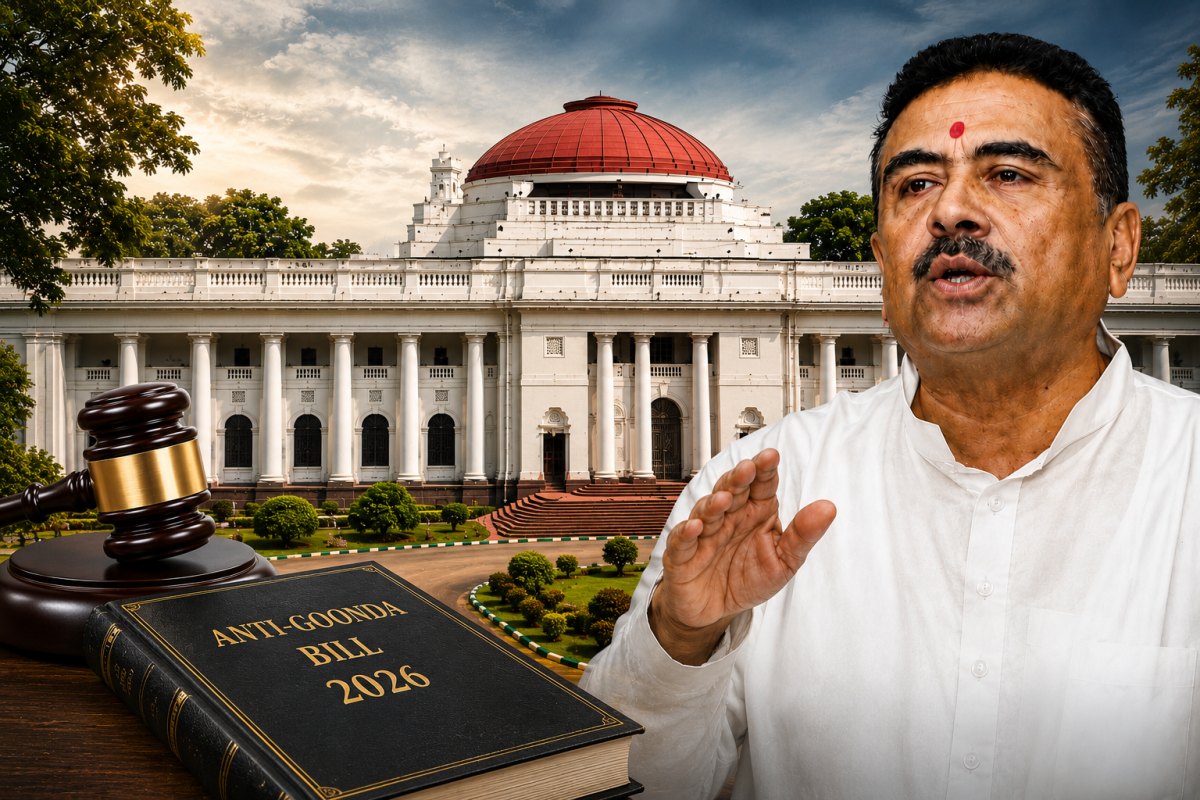
The Suvendu Adhikari-led BJP government passed two legislations on Monday to curb riots, vandalism and organised crime.
Introduced by Chief Minister Suvendu Adhikari in the Assembly, the West Bengal Maintenance of Public Order (Amendment) Bill, 2026 and the West Bengal Public Safety and Control of Anti-Social Activities Bill, 2026, popularly referred to as the “Anti-Goonda Bill”, were passed with a 176- 41 vote division while 20 legislators abstained from voting.
It will authorises the state to detain individuals for up to 12 months without trial to prevent future anti-social actions.
It could be applied to habitual offenders, syndicate leaders, crime financiers, and those participating in illegal mining or wildlife offences.
The bill empowers officials to search, seize, and confiscate assets and documents belonging to individuals linked to anti-social networks.
It also introduces strict provisions to recover financial compensation from vandals for destroying public or private property during violent protests.
The bill also makes provision for formation of an advisory board featuring former judges who will be tasked with reviewing and validating detention cases within three weeks of an arrest.
CM Adhikari insisted that the law is necessary dismantle Bengal's "goonda culture" and control riots, assuring that the bill will not be misused for political vendetta while MLAs of opposition parties opposed the bill, raising concerns over the absence of structural judicial protections and pointing out that it could be weaponised.
LIVE : বিধানসভা অধিবেশনে বক্তব্য রাখছেন মুখ্যমন্ত্রী শ্রী @SuvenduWB মহাশয়। https://t.co/Me3df8yXg2
— BJP West Bengal (@BJP4Bengal) June 29, 2026
Related News
 OCT 10, 2026
Bhupinder Singh Hooda Targets Haryana Govt Over MSP Procurement
Bhupinder Singh Hooda alleged that Haryana farmers are being forced to sell crops below MSP and also criticised detentions linked to opposition protests in Delhi.
 OCT 10, 2026
Jairam Thakur Targets Rahul Gandhi Over Delhi Protests
Jairam Thakur Rahul Gandhi remarks in Hamirpur accused the Congress leader of trying to create anarchy for political power and defended the Centre’s law-and-order actions.
 OCT 10, 2026
Mamata Banerjee Detention Sparks Strong Reaction From TMC
Mamata Banerjee detention during the Delhi protest triggered criticism from TMC MLA Kunal Ghosh, who demanded her immediate release and condemned the police action.
 OCT 10, 2026
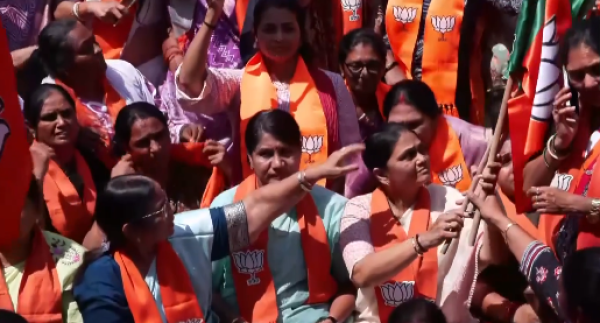
BJP Mahila Morcha Ahmedabad Protest Targets Congress Over JNU Case
BJP Mahila Morcha Ahmedabad protest took place outside Rajiv Gandhi Bhavan in Paldi over sexual harassment allegations involving Congress MP Angomcha Bimol Akoijam.