

Constitution Day: Remembering Dr. B. R. Ambedkar’s Legacy
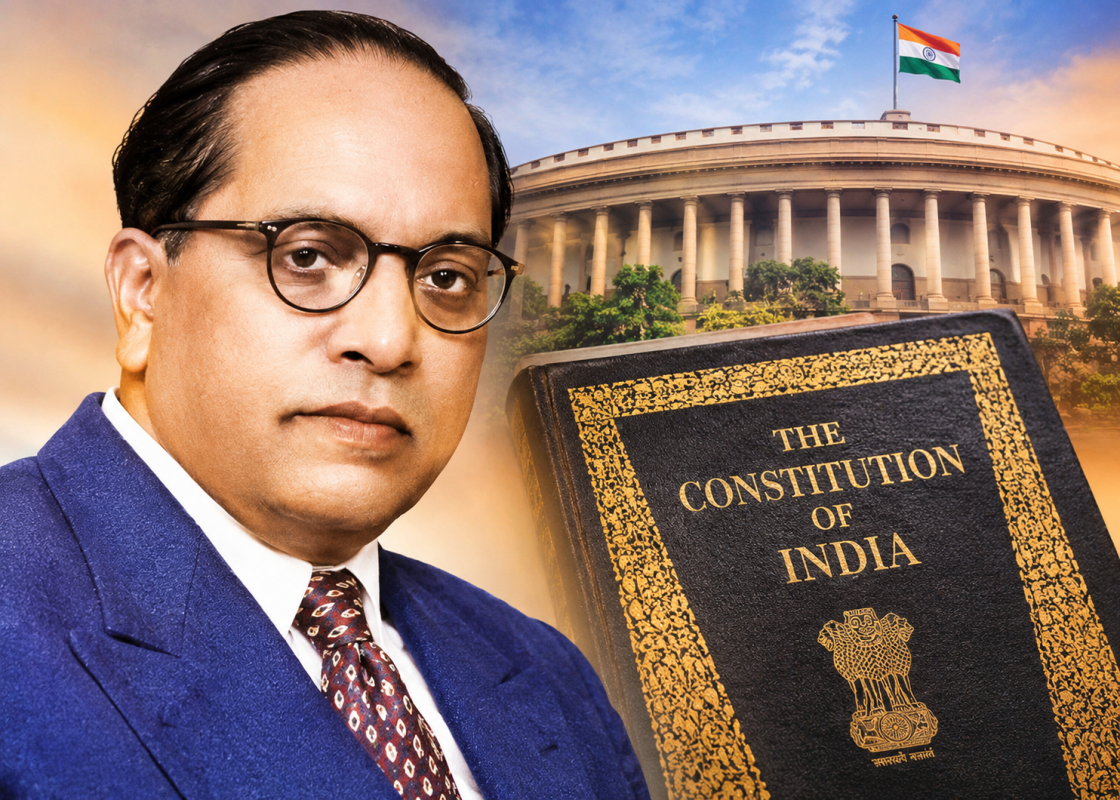
Constitution Day 2026: Remembering the life, struggles and enduring contributions of Dr. B. R. Ambedkar, the chief architect of the Indian Constitution.
India observes Constitution Day, also known as Samvidhan Divas, on November 26 every year to commemorate the adoption of the Constitution of India by the Constituent Assembly on November 26, 1949. The day honours the vision, contributions and extraordinary legacy of Dr. B. R. Ambedkar, whose leadership played a defining role in shaping the constitutional foundations of the world's largest democracy.
Remembered as the chief architect of the Indian Constitution, Dr. Bhimrao Ramji Ambedkar dedicated his life to fighting social discrimination, challenging caste-based inequalities and advocating for the rights and dignity of marginalised communities. His journey from facing severe social discrimination to becoming one of India's most influential constitutional thinkers remains an extraordinary story of courage, education, resistance and reform.
From Social Discrimination to a National Vision
Born on April 14, 1891, in Mhow, present-day Madhya Pradesh, Dr. Ambedkar experienced caste-based discrimination from an early age. Despite facing numerous social barriers, he pursued education with remarkable determination and went on to study at prestigious institutions, including Columbia University in the United States and the London School of Economics.
His academic achievements and intellectual contributions shaped his understanding of democracy, equality, social justice and economic development. He believed that political independence alone would not be sufficient unless accompanied by social and economic equality.
Throughout his life, Ambedkar worked to dismantle discriminatory social structures and ensure that every individual enjoyed equal rights and opportunities.
A Lifetime of Resistance and Reform
Dr. Ambedkar emerged as a prominent leader in India's struggle against caste discrimination and untouchability. Through social movements, public campaigns, writings and political engagement, he consistently challenged practices that denied dignity and equal treatment to millions of people.
The Mahad Satyagraha of 1927, which asserted the right of marginalised communities to access public water resources, became a significant milestone in the movement for social equality. He also led campaigns advocating equal access to public spaces, education and social institutions.
His efforts were driven by the conviction that equality must extend beyond legal provisions and become a lived reality in society.
The Architect of the Indian Constitution
Following India's independence, Dr. B. R. Ambedkar was appointed Chairman of the Drafting Committee of the Constituent Assembly on August 29, 1947.
In this historic responsibility, he played a pivotal role in guiding the drafting process and shaping a constitutional framework founded on justice, liberty, equality and fraternity.
The Constitution of India was adopted by the Constituent Assembly on November 26, 1949, and came into effect on January 26, 1950.
The constitutional framework established fundamental rights, democratic institutions and safeguards designed to protect individual freedoms and promote social justice.
Among its most significant provisions was Article 17, which abolished untouchability and prohibited its practice in any form. The Constitution also established equality before the law, prohibited discrimination on specified grounds and provided safeguards for historically disadvantaged communities.
A Vision Rooted in Justice, Equality and Dignity
Dr. Ambedkar believed that democracy was not merely a system of government but also a way of life based on mutual respect, equal citizenship and constitutional morality.
His vision extended beyond political rights to include access to education, economic opportunities, social security and equal participation in national development.
He strongly advocated education as an instrument of empowerment and encouraged people to pursue knowledge, challenge injustice and work towards social transformation.
His famous message, "Educate, Agitate, Organize", continues to inspire generations working towards equality and social progress.
Why Constitution Day Matters
Constitution Day serves as an opportunity to reaffirm India's commitment to the constitutional principles that unite its diverse population.
The Constitution remains the supreme legal framework safeguarding the rights, liberties and aspirations of every Indian. It defines the responsibilities of democratic institutions while ensuring that the principles of justice, equality and freedom remain central to governance.
The observance also encourages citizens, particularly younger generations, to understand their constitutional rights and duties and appreciate the struggles and contributions of those who helped build modern India.
An Enduring Legacy for Generations
Dr. B. R. Ambedkar's journey from confronting social discrimination to shaping the constitutional destiny of independent India represents one of the most remarkable chapters in the nation's history.
On Constitution Day, the country remembers not only his contribution to the making of the Constitution but also his lifelong struggle for a society where every individual enjoys dignity, equal opportunity and justice.
His legacy continues to guide India's democratic journey, reminding generations that the strength of a nation lies in protecting the rights of its citizens and ensuring that equality and dignity are accessible to all.
Related News
 NOV 26, 2026
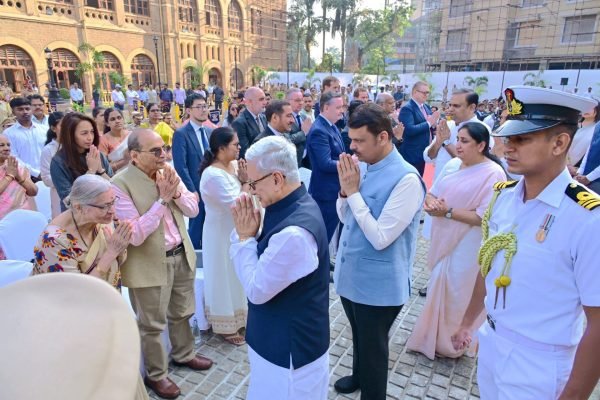
Devendra Fadnavis, Governor Vishnu Dev Sarma Pay Tribute to 26/11 Mumbai Martyrs
Maharashtra CM Devendra Fadnavis and Governor Vishnu Dev Sarma paid tribute to the heroes of the 26/11 Mumbai terror attacks and offered condolences to the families of the martyred personnel.
 NOV 25, 2026
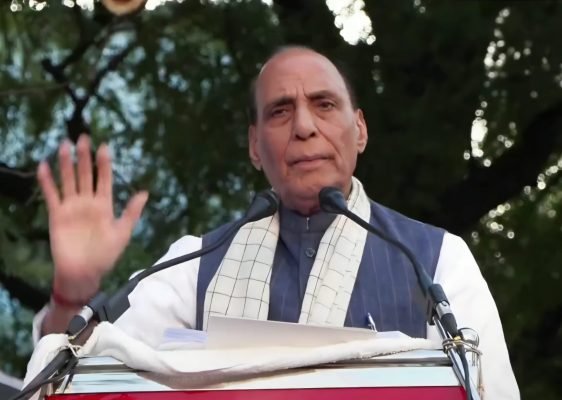
Rajnath Singh Hits Out at Congress Over ‘Regime Change’ Remark
Defence Minister Rajnath Singh has criticised Congress and its allies over the alleged regime change narrative, asserting that political power in India can only change through votes.
NOV 25, 2026
Rajnath Singh Hits Out at Congress Over ‘Regime Change’ Remark
Defence Minister Rajnath Singh has criticised Congress and its allies over the alleged regime change narrative, asserting that political power in India can only change through votes.
NOV 25, 2026
Rajnath Singh Hits Out at Congress Over ‘Regime Change’ Remark
Defence Minister Rajnath Singh has criticised Congress and its allies over the alleged regime change narrative, asserting that political power in India can only change through votes.