

Hidden Sugar in Everyday Indian Foods: Endocrinologist Shares What People With Diabetes Should Know
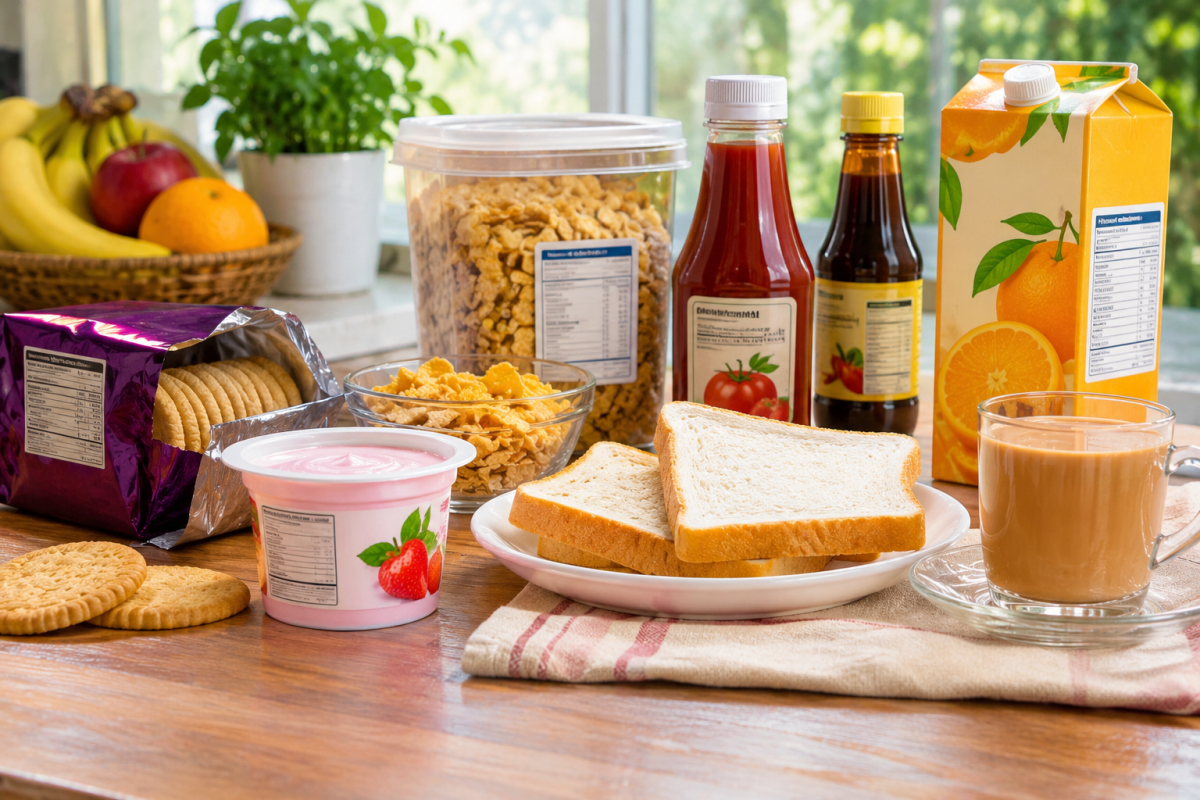
Sugar is often associated with sweets, chocolates, desserts and sugary beverages. However, many people may unknowingly consume added sugar through everyday foods that do not even taste sweet. From packaged bread and biscuits to breakfast cereals, sauces and fruit juices, hidden sugars can contribute significantly to daily sugar intake.
For people living with diabetes, understanding food labels, monitoring carbohydrate consumption and making mindful dietary choices are essential for maintaining healthy blood glucose levels.
In an interview with HT Lifestyle, Dr Kalyan Kumar Gangopadhyay, endocrinologist at CK Birla Hospitals, CMRI, Kolkata, explains the common sources of hidden sugar in Indian diets and shares practical dietary tips for better diabetes management.
Hidden sugar in everyday Indian foods
Many commonly consumed Indian foods contain added sugars, even when they do not taste particularly sweet.
According to Dr Gangopadhyay, breakfast cereals, flavoured yoghurts, biscuits, packaged bread, ketchup, sauces and ready-to-eat meals are some common sources of hidden sugar. Sweetened tea, packaged fruit juices, sherbets and homemade sugary beverages can also increase daily sugar consumption.
Apart from added sugar, carbohydrates also deserve attention when planning a diabetes-friendly diet. Everyday staples such as white rice, white bread, rotis, parathas and potatoes contain carbohydrates that the body breaks down into glucose, influencing blood sugar levels.
Therefore, understanding the nutritional composition of everyday foods is important for making informed dietary decisions.
Why portion control matters for people with diabetes
People with diabetes do not necessarily have to eliminate rice, rotis or other carbohydrate-containing foods from their meals. Instead, managing portion sizes and choosing balanced food combinations can help support blood glucose control.
Dr Gangopadhyay explains that the overall quantity and quality of carbohydrates consumed throughout the day play an important role in diabetes management.
One effective way to identify hidden sugar is to read packaged food labels carefully. Look for ingredients such as sugar, syrups, fructose and other added sweeteners before purchasing packaged products.
Choosing whole fruits instead of packaged fruit juices is another useful dietary habit. Whole fruits contain dietary fibre, which helps slow down sugar absorption and supports better overall nutrition.
Make mindful food choices for better diabetes management
Improving everyday eating habits does not necessarily require following a complicated diet. Including more vegetables, legumes and whole-grain cereals in daily meals can improve nutritional quality.
Dr Gangopadhyay recommends limiting highly processed foods and making balanced dietary choices to support long-term diabetes management.
Meal timing and consistency are equally important. People living with diabetes should avoid skipping meals or following extremely restrictive diets without professional guidance.
Carbohydrate intake should be distributed appropriately throughout the day, considering individual blood glucose levels, prescribed medications, physical activity and lifestyle.
Diabetes management does not mean giving up your favourite foods
Managing diabetes does not mean completely eliminating foods you enjoy. Instead, it involves understanding what you eat, practising portion control and maintaining consistency in your dietary habits.
Small, sustainable changes, such as reducing added sugar, choosing whole foods, checking nutritional labels and maintaining balanced meals, can contribute to better long-term blood sugar management.
For personalised dietary recommendations, people with diabetes should consult a qualified healthcare professional or registered dietitian.
Related News
 NOV 25, 2026
Post-Meal Bloating: Why Healthy Foods Can Cause Gas and Digestive Discomfort
Eating healthy but still experiencing bloating after meals? From fibre-rich foods and carbonated drinks to lactose intolerance and eating habits, discover the common causes of post-meal bloating and expert-backed tips to manage digestive discomfort.
 NOV 23, 2026
PM Modi Hails 1 Crore HPV Vaccine Milestone, Says Every Dose Protects Girls from Cervical Cancer
India has administered over one crore HPV vaccine doses to 14-year-old girls in less than nine months, covering nearly 87 per cent of its annual target. Prime Minister Narendra Modi hailed the achievement as a major milestone in preventive healthcare.
 NOV 21, 2026
Doctor Explains Continuous Glucose Monitoring: Is It Essential for Diabetes Patients?
Continuous glucose monitoring (CGM) helps diabetes patients track blood sugar levels throughout the day and night. A doctor explains how CGM works, its benefits, and who really needs this technology.
 NOV 18, 2026
Neurologist Explains Why Stress, Poor Sleep and Mental Fatigue Trigger Sugar Cravings
Ever crave chocolate or sweets after a tiring day? A neurologist explains how stress, mental fatigue, sleep deprivation and physical activity influence sugar cravings.