

Doctor Explains Continuous Glucose Monitoring: Is It Essential for Diabetes Patients?
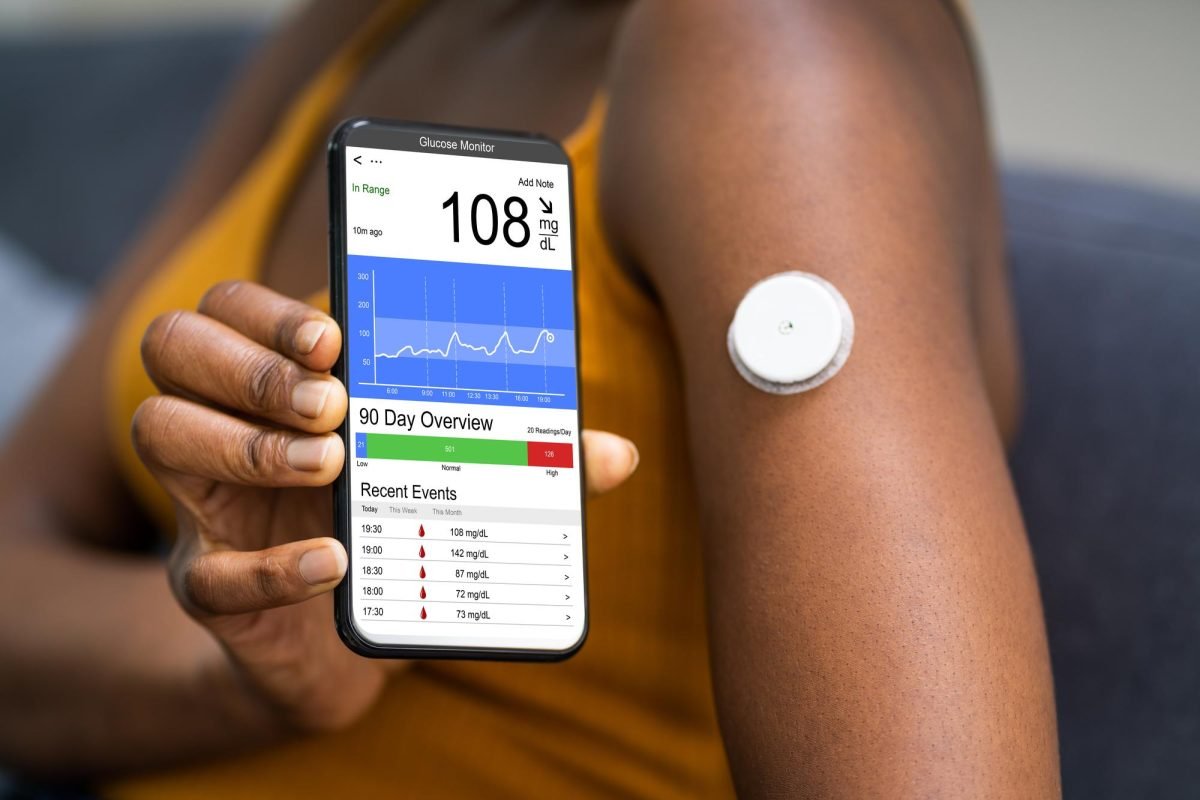
Continuous glucose monitoring (CGM) is changing how people with diabetes track their blood sugar levels. Unlike traditional finger-prick tests, which provide glucose readings at a single moment, CGM devices monitor glucose levels throughout the day and night.
Dr Girish Bathina, General Medicine Consultant at Manipal Hospital, Vijayawada, explains how CGM works, why monitoring glucose patterns is important, and which diabetes patients can benefit most from the technology.
A CGM device uses a small sensor placed under the skin, usually on the upper arm or abdomen, to measure glucose levels every few minutes. The readings are sent to a receiver or smartphone, allowing users to track fluctuations and identify sudden rises or drops in blood sugar.
According to Dr Bathina, glucose levels can change due to food, exercise, stress, illness, sleep and medication. CGM helps identify these patterns and alerts users to potentially high or low glucose levels, including during sleep.
Who Should Consider Continuous Glucose Monitoring?
CGM can be particularly beneficial for:
People living with Type 1 diabetes.
Individuals who require multiple daily insulin doses.
Patients who frequently experience low blood sugar.
People who cannot recognise symptoms of low blood sugar.
Certain individuals with Type 2 diabetes who use insulin or struggle to maintain target glucose levels.
However, CGM may not be necessary for everyone. People with Type 2 diabetes who manage their condition through diet, exercise or medication and experience relatively stable glucose levels may continue with periodic blood sugar testing as recommended by their doctor.
The decision to use continuous glucose monitoring should depend on individual health needs and medical advice.
Related News
 NOV 18, 2026
Neurologist Explains Why Stress, Poor Sleep and Mental Fatigue Trigger Sugar Cravings
Ever crave chocolate or sweets after a tiring day? A neurologist explains how stress, mental fatigue, sleep deprivation and physical activity influence sugar cravings.
 NOV 11, 2026
India to Supply 100 Ambulances, 50 Health ATMs to Sri Lanka
India will provide 100 fully-equipped ambulances worth USD 5.28 million and support 50 Medical Kiosks or Health ATMs in Sri Lanka to strengthen emergency medical services and primary healthcare.
 OCT 12, 2026
FIFPRO Report Finds 49% of Women Footballers Consider Leaving Football Early
A new FIFPRO report highlights the challenges facing women's football, with 49% of surveyed players considering an early exit. Financial pressures, mental health concerns, limited employment contracts and unequal access to player protections remain major issues despite the sport's growing commercial success.
 OCT 12, 2026
How New Medical Technologies Are Transforming Heart Surgery and Improving Heart Health
Advances in cardiac imaging, minimally invasive procedures and multidisciplinary care are transforming heart treatment. Discover how modern heart surgery technology helps doctors diagnose valve disease, personalise treatment and monitor recovery.