

Global Energy Crisis Deepens: Friedrich Merz Urges End to US-Israel-Iran Conflict
Related News
 OCT 12, 2026
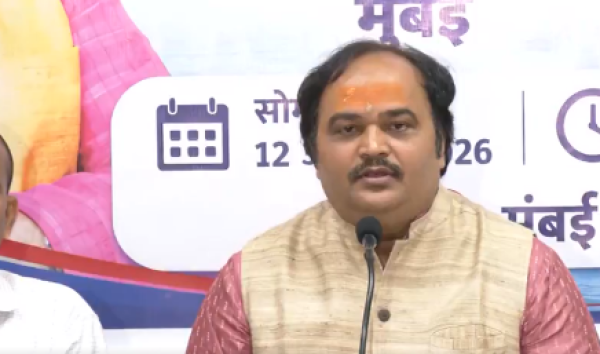
Anand Dubey Resigns from Shiv Sena UBT, Cites Ideological Differences
Mumbai, Maharashtra: Shiv Sena (UBT) leader Anand Dubey announced his resignation from the party, stepping down from both its primary membership and his position as national spokesperson. He cited ideological differences and said he had been experiencing growing discomfort with the party's public positions for several months.
 OCT 12, 2026
Devendra Fadnavis Targets Rahul Gandhi Over Constitution
Nagpur, Maharashtra: Chief Minister Devendra Fadnavis criticised Congress leader Rahul Gandhi over his approach to protests and demands involving the Supreme Court, arguing that constitutional grievances should be addressed through established legal procedures.
 OCT 12, 2026
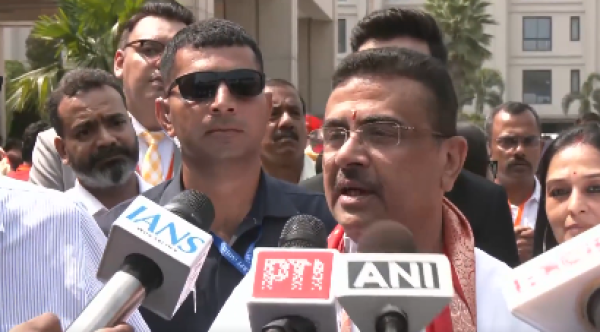
Suvendu Adhikari Highlights Chingrighata Metro Progress
New Town, West Bengal: Chief Minister Suvendu Adhikari said his government was working to fulfil Prime Minister Narendra Modi’s vision of a developed India, citing the Chingrighata Metro project as an example of progress in West Bengal.
 OCT 12, 2026
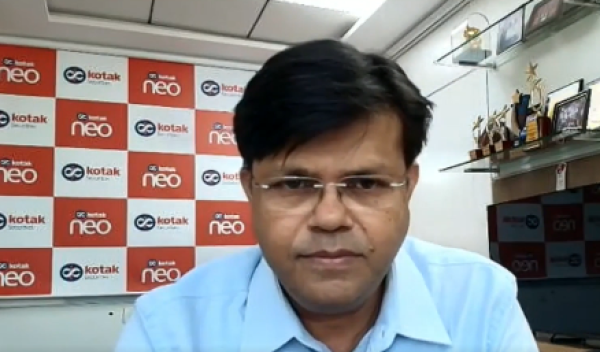
Shrikant Chouhan Sees Attractive Market Valuations Near 16x FY28 Earnings
Mumbai, Maharashtra: Shrikant Chouhan, Head of Equity Research at Kotak Neo, said Indian equity market valuations appeared attractive relative to earnings, with valuations approaching 16 times projected FY28 earnings. However, he cautioned that a sustained rise in crude oil prices could put pressure on quarterly corporate results.
Comments (0)