

India–Vietnam Air Connectivity Strengthened with Enhanced Direct Flight Links
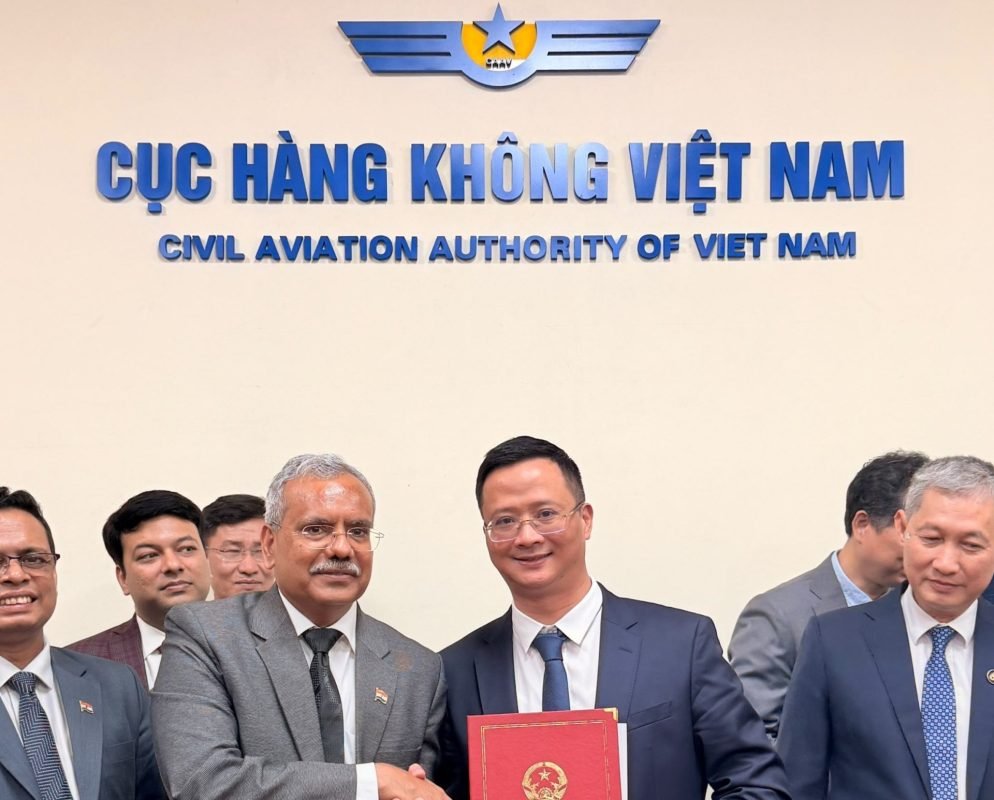
India–Vietnam air connectivity is set to receive a major boost following discussions between India’s Ministry of Civil Aviation and the Civil Aviation Authority of Viet Nam on September 17–18, 2026.
The two sides held talks on the India–Viet Nam Air Services Agreement, focusing on measures to improve direct air links between the two countries.
The discussions were held under the guidance of Union Minister for Civil Aviation Shri Kinjarapu Rammohan Naidu, Minister of State for Civil Aviation Shri Murlidhar Mohol, and Secretary, Ministry of Civil Aviation, Shri Samir Kumar Sinha.
The latest development is expected to provide greater opportunities for airlines to operate direct services between India and Viet Nam while supporting stronger economic and people-to-people connections.
India and Viet Nam Discuss Enhanced Air Connectivity
During the two-day discussions, representatives from India and Viet Nam reviewed the existing arrangements under the bilateral Air Services Agreement.
Both sides agreed on a measure aimed at enhancing connectivity by converting the frequency of flights into seats for designated carriers. This approach is intended to provide greater flexibility in determining airline capacity and facilitate increased passenger movement between the two countries.
The agreement represents an important step towards expanding India–Vietnam air connectivity and creating additional opportunities for direct air travel.
Focus on Direct Flights Between India and Viet Nam
Improved direct flight connectivity can make travel between India and Viet Nam more convenient for passengers, businesses and tourists.
The discussions between the aviation authorities are aimed at strengthening the framework under which designated airlines can operate services between the two countries. By shifting from a flight-frequency-based approach to a seat-based arrangement, airlines may have greater flexibility in planning their operations, subject to applicable regulatory requirements.
Related News
 OCT 9, 2026
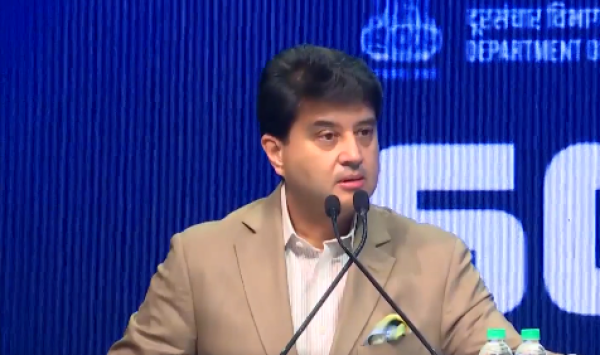
Jyotiraditya Scindia Clarifies Starlink Licence Process in India
Jyotiraditya Scindia Starlink licence remarks came after Rahul Gandhi and Elon Musk’s exchange, with the minister saying three firms are at the same regulatory stage.
 OCT 9, 2026
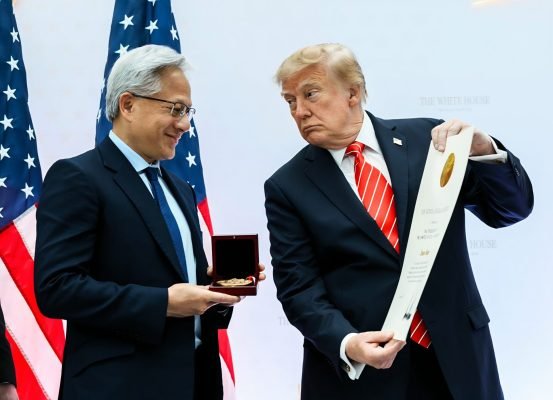
Trump Presents National Medal of Science to NVIDIA CEO Jensen Huang
US President Donald Trump presents the National Medal of Science to NVIDIA CEO Jensen Huang, recognising his contributions to AI, GPU computing, supercomputing and semiconductor innovation.
 OCT 9, 2026
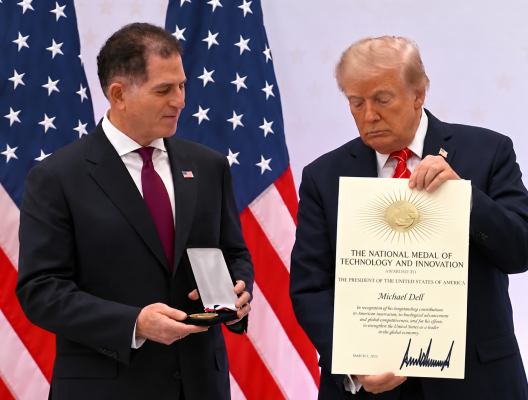
Trump Praises Michael Dell for Transforming Personal Computing
President Donald Trump has praised Michael Dell for transforming a $1,000 idea developed in his University of Texas dorm room into a revolution in personal computing.
 OCT 9, 2026
Trump Hails Elon Musk as ‘Titan’ of Technology
U.S. President Donald Trump has praised Elon Musk as an “industrial titan” and brilliant engineer, calling him one of the greatest technology founders ever to live. Trump also compared Musk to Thomas Edison and highlighted his contribution to American technological innovation.