

Nepal Flood Situation: Flash Flood Claims Lives, Damages Hydropower Projects and Roads
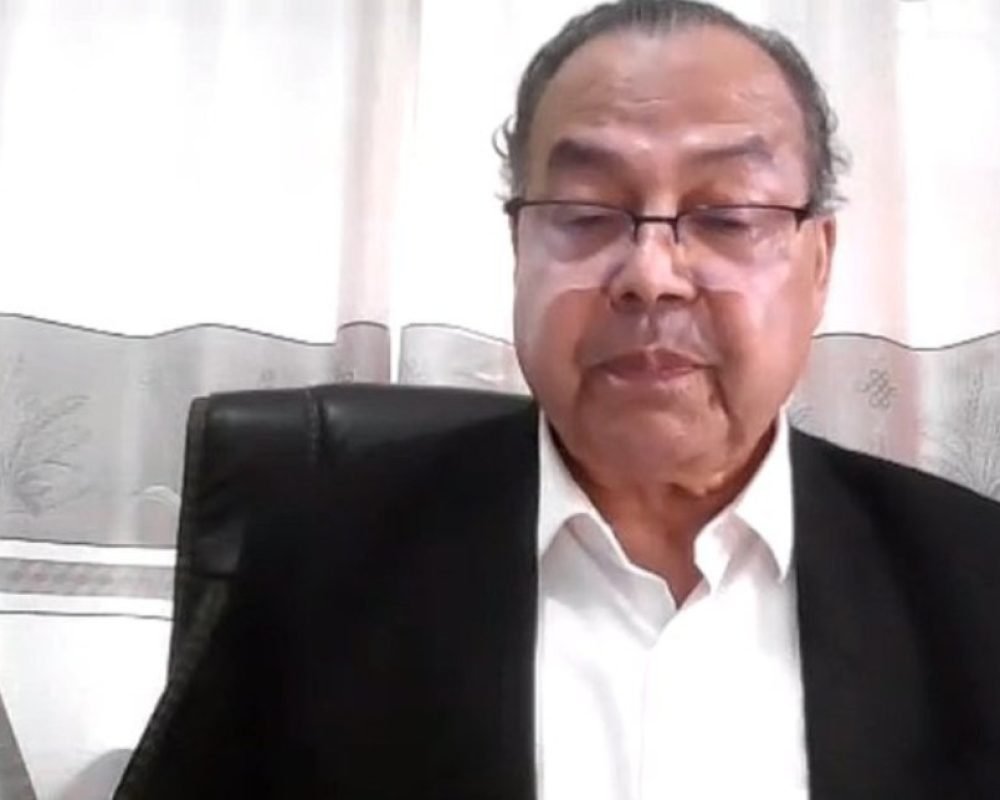
The Nepal flood situation has worsened following a devastating flash flood that caused extensive damage across several parts of the country, according to former Nepal Prime Minister Jhala Nath Khanal. Khanal said the disaster had severely affected infrastructure, hydropower projects, roads and communication networks.
Speaking about the situation, Khanal described the incident as a flash flood that caused widespread destruction. According to the information available to him, around 160 people have been killed and more than 500 people remain missing.
The former Prime Minister said rescue and relief authorities are continuing to collect information from affected areas as the full extent of the disaster is assessed.
Flash Flood Causes Widespread Destruction
The Nepal flood situation has resulted in significant damage to infrastructure and essential services.
Khanal said the flash flood devastated large areas and affected several key facilities.
One of the major concerns is the reported damage to hydropower infrastructure. According to Khanal, approximately 14 hydropower projects have been damaged by the disaster.
Hydropower is an important part of Nepal's infrastructure and economy, making damage to these projects a significant challenge for the country.
Authorities will have to assess the extent of damage and determine the requirements for restoration and reconstruction.
Around 160 People Reportedly Killed
Khanal said available information indicated that around 160 people had lost their lives in the disaster.
However, he cautioned that information was still being collected from different locations.
The death toll and scale of destruction could therefore change as rescue teams reach more affected areas and communication links are restored.
More Than 500 People Missing
Another major concern highlighted by the former Nepal Prime Minister is the large number of people reported missing.
Khanal said more than 500 people were missing according to the information available at the time.
Search and rescue operations are expected to remain a key priority as authorities attempt to locate people who may have been stranded or cut off by the flooding.
Roads and Communication Networks Hit
The disaster has also caused extensive damage to transportation infrastructure. Khanal said approximately 42 kilometres of roads had been destroyed.
The destruction of roads could make it difficult for emergency teams to reach remote and severely affected areas. Damaged roads may also disrupt the movement of food, medicines, rescue equipment and other essential supplies.
Communication has emerged as another serious Operations
According to Khanal, communication systems in the affected areas have been disrupted, with some areas reportedly having no communication. This is likely to complicate rescue coordination and the collection of accurate information about casualties and damage.
Government Mobilises Resources for Relief Operations
Khanal said the Nepal government has been mobilising available resources to respond to the crisis.
With several areas affected simultaneously, authorities face the challenge of coordinating rescue operations, providing emergency assistance and restoring damaged infrastructure.
The immediate focus is expected to remain on locating missing people, assisting those stranded in affected areas and providing essential supplies to communities impacted by the flash flood.
Related News
 OCT 27, 2026
Harry Kane Shares Heartfelt Message After Ballon d’Or Win
Harry Kane, Ballon d’Or, Harry Kane Ballon d’Or, Bayern Munich, England Football, Ballon d’Or Awards, Football News, Harry Kane Social Media
 OCT 27, 2026
Dutch Minister Sjoerd Sjoerdsma Hopes India-EU FTA Will Be Implemented by Spring 2027
The Netherlands’ Minister of Foreign Trade, Sjoerd Sjoerdsma, hopes the India-EU Free Trade Agreement will be signed in December and implemented by spring 2027, while noting that the timeline remains uncertain.
 OCT 27, 2026
Piyush Goyal and Dutch Minister Sjoerd Sjoerdsma Discuss Trade, Investment and Clean Energy Cooperation
Union Minister Piyush Goyal and Dutch Minister Sjoerd Sjoerdsma discussed expanding bilateral trade, boosting Dutch investment in India and strengthening cooperation in semiconductors, green hydrogen, renewable energy and digital technologies.
 OCT 27, 2026
Piyush Goyal Sees Huge Opportunity in India-Dutch Trade
Union Minister Piyush Goyal has highlighted India's vast business opportunities for Dutch companies, predicting that India could sell more dishwashers in five years than the rest of the world combined. He also cited $130 billion in annual government infrastructure investment.