

Privilege Notice Against Kunal Ghosh: TMC MLA Apologises After Alleged Disrespect to Speaker's Chair in West Bengal Assembly
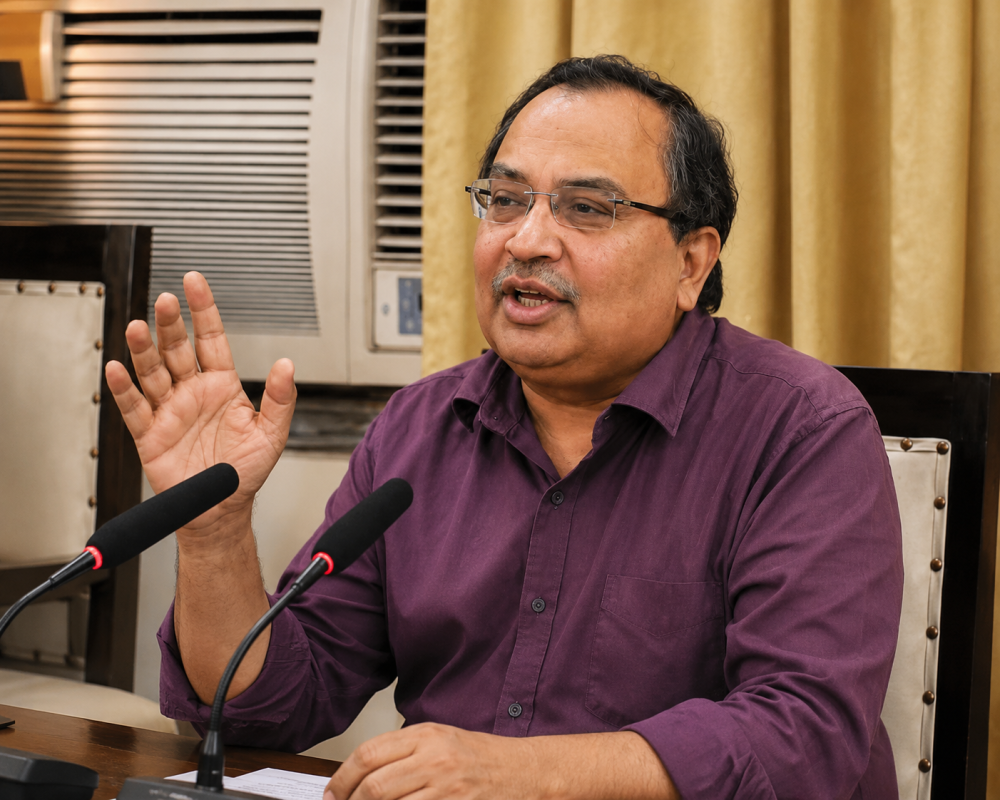
The Privilege Notice Against Kunal Ghosh became a major talking point in the West Bengal Assembly on Friday after Tourism Minister and ruling party MLA Shankar Ghosh accused the Trinamool Congress legislator of showing disrespect towards the Speaker's Chair during the House proceedings. The incident briefly disrupted the session and led to the submission of a privilege notice under Assembly rules.
While responding to the allegations, Kunal Ghosh denied having any intention to insult the Speaker or undermine the dignity of the Assembly. He expressed regret over the incident and apologised, saying that if his conduct had hurt the Speaker or members of the House, he sincerely regretted it.
Privilege Notice Filed Over Alleged Disrespect
The controversy unfolded during the Assembly proceedings when Tourism Minister Shankar Ghosh alleged that Kunal Ghosh's behaviour was derogatory to the dignity of the House and amounted to disrespect towards the Speaker's Chair.
Based on these allegations, a privilege notice was formally submitted against the Trinamool Congress MLA.
According to Assembly procedure, a privilege notice can be initiated when a member is accused of violating the privileges, dignity, or authority of the Legislature or its presiding officer.
Kunal Ghosh Expresses Regret
Responding to the allegations, Kunal Ghosh clarified that he never intended to insult the Speaker or the Chair.
He told the House that if his conduct had caused any offence, he offered his sincere apology.
The TMC MLA also explained that the incident arose from an internal issue within his party. According to him, his name had initially been included in the party's list of speakers but was later removed, leaving him without an opportunity to participate in the debate.
He suggested that the circumstances surrounding this decision led to the misunderstanding inside the Assembly.
Shankar Ghosh Says Internal Party Issues Have No Place in Assembly
Tourism Minister Shankar Ghosh rejected Kunal Ghosh's explanation, stating that internal political disputes should not affect the proceedings of the Legislature.
Addressing the House, he remarked that disagreements within a political party are matters to be resolved internally and should not be brought into the Assembly.
His comments underscored the government's position that the dignity and decorum of the House must remain above political disagreements.
What Happens After a Privilege Notice?
Following the acceptance of the Privilege Notice Against Kunal Ghosh, the matter will now proceed under the established rules of the West Bengal Legislative Assembly.
The Speaker will examine the allegations and decide whether the issue should be referred to the Privilege Committee for a detailed inquiry.
If the matter is referred, the committee will investigate the circumstances surrounding the incident and submit its findings to the House.
Should the allegations be found to have merit, disciplinary action may be recommended in accordance with Assembly rules and parliamentary procedure.
Significance of the Controversy
Privilege notices are considered serious parliamentary proceedings because they relate directly to maintaining the dignity, authority, and smooth functioning of the Legislature.
The latest controversy has drawn attention not only because of the allegations against a senior Trinamool Congress MLA but also because Kunal Ghosh publicly apologised during the proceedings.
Political observers believe the Speaker's decision on whether to refer the matter to the Privilege Committee will determine the next course of action.
The Privilege Notice Against Kunal Ghosh has added another contentious episode to the ongoing proceedings of the West Bengal Assembly. While Kunal Ghosh has expressed regret and maintained that he never intended to disrespect the Speaker, the Assembly will now follow its prescribed procedures to determine whether further action is warranted. The Speaker's decision in the coming days will be closely watched by both the ruling party and the Opposition.
Related News
 OCT 13, 2026
Nandan Nilekani Proposes Question Bank to Prevent NEET Paper Leaks
Infosys co-founder Nandan Nilekani has proposed creating a massive question bank and generating examination papers at the last minute to address concerns over paper leaks, including the NEET controversy. He also called for expanding computer-based testing infrastructure across India to strengthen the examination system.
 OCT 13, 2026
CII Global MSME Summit Highlights Opportunities and Challenges
New Delhi: Shreekant Somany, Chairman and Managing Director of Somany Ceramics Ltd., called for stronger collaboration between micro, small and medium enterprises (MSMEs), the government and industries to capitalise on opportunities emerging from global economic changes. Speaking at the 23rd CII Global MSME Business Summit in Delhi, he highlighted challenges related to tariffs, rising costs and access to finance.
 OCT 13, 2026
India-UK CETA Opens New Business and Investment Opportunities
The India-UK Comprehensive Economic and Trade Agreement (CETA) has been highlighted as a significant milestone in strengthening economic ties between India and the United Kingdom. Addressing the Joint Economic and Trade Committee (JETCO) Business Plenary alongside UK Business and Trade Secretary Jonathan Reynolds, the Indian representative emphasised opportunities for businesses in both countries to expand collaboration, deepen investments and build new partnerships.
 OCT 13, 2026
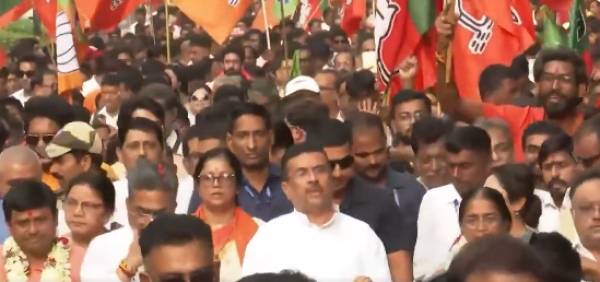
Kolkata Rally Celebrates Victories in Nandigram and Rejinagar
Kolkata: A large gathering of party workers and supporters took to the streets of Kolkata to celebrate the reported victories in Nandigram and Rejinagar. The victory rally was held at Murlidhar Sen Lane, with the event highlighting the party’s message of public trust and support for a “double-engine government”.