

West Bengal Panchayat Amendment Bill 2026: Government Proposes Administrator Provision, Stricter Financial Controls

The West Bengal Panchayat Amendment Bill 2026 is set to be introduced in the State Assembly on Saturday, bringing a series of significant reforms to the West Bengal Panchayat Act, 1973. The proposed legislation aims to improve administrative efficiency, ensure uninterrupted public service delivery, strengthen financial accountability, and enhance transparency in the functioning of Gram Panchayats across the state.
Published in the Kolkata Gazette on July 23, the Bill seeks to address administrative deadlocks and introduce stronger governance mechanisms at the grassroots level. If passed, the amendments will empower authorities to appoint administrators during leadership vacancies, tighten financial oversight, and streamline the conduct of Gram Panchayat and Gram Sabha meetings.
Administrator Provision to Prevent Administrative Deadlock
One of the most significant provisions of the West Bengal Panchayat Amendment Bill 2026 is the introduction of an Administrator mechanism to ensure uninterrupted governance.
Under the proposed amendment, if both the Pradhan and Upa-Pradhan remain absent from their duties for more than 15 consecutive days and no elected member is willing to take charge, the competent authority will be empowered to appoint an Extension Officer or another officer of a higher rank as the Administrator.
The Administrator may remain in office for a maximum period of 30 days and will exercise all powers and perform all functions of the Gram Panchayat during that period. The provision is aimed at preventing administrative paralysis and ensuring that essential public services continue without disruption.
New Rules for Convening Gram Panchayat Meetings
The Bill also proposes measures to ensure that Gram Panchayat meetings are held regularly.
If no Gram Panchayat meeting takes place for two consecutive months because of the absence of the Pradhan and Upa-Pradhan, the Panchayat Secretary, with prior approval from the Block Development Officer (BDO), will be authorised to convene the meeting.
To maintain transparency, the Extension Officer and the Executive Assistant will attend such meetings as official observers.
The proposed amendment seeks to prevent governance delays caused by prolonged vacancies or administrative disputes.
Stricter Financial Controls to Improve Transparency
A major focus of the West Bengal Panchayat Amendment Bill 2026 is strengthening financial accountability within Gram Panchayats.
The legislation proposes making the Executive Assistant's signature mandatory on all payment orders issued from the Gram Panchayat Fund.
Additionally, every cheque issued from the Panchayat Fund will require the joint signatures of the Executive Assistant and the Panchayat Secretary, creating an additional layer of financial scrutiny.
The Executive Assistant will also be responsible for submitting monthly income and expenditure statements to both the Pradhan and the Block Development Officer, ensuring regular financial monitoring.
These provisions are intended to reduce financial irregularities, enhance accountability, and strengthen oversight of public funds.
Changes Proposed for Gram Sabha
The proposed Bill also introduces procedural changes for conducting Gram Sabha meetings.
In situations where the Pradhan, Upa-Pradhan, or any elected representative is unavailable, the Administrator will have the authority to nominate the senior-most member present to preside over the meeting.
This provision is designed to ensure that Gram Sabha meetings continue without interruption, even during periods of administrative uncertainty.
Government's Objective Behind the Amendment
According to the Statement of Objects and Reasons accompanying the Bill, the proposed amendments have been designed to:
Ensure uninterrupted public service delivery.
Prevent administrative deadlocks in Gram Panchayats.
Strengthen financial accountability.
Improve transparency in local governance.
Ensure regular meetings of Gram Panchayats and Gram Sabhas.
Enhance administrative efficiency across the Panchayat system.
The government believes these reforms will strengthen grassroots governance while ensuring better utilisation of public funds.
Political and Administrative Significance
The introduction of the West Bengal Panchayat Amendment Bill 2026 is expected to have significant administrative implications across rural West Bengal.
The proposal to appoint Administrators during prolonged leadership vacancies could help maintain continuity in governance, while the enhanced financial safeguards aim to improve transparency and reduce opportunities for misuse of public funds.
The Bill is likely to generate considerable debate in the Assembly, with both the administrative benefits and political implications expected to be discussed before its passage.
The West Bengal Panchayat Amendment Bill 2026 represents one of the most comprehensive efforts in recent years to reform Panchayat governance in the state. By introducing provisions for temporary administrators, strengthening financial controls, and ensuring regular functioning of Gram Panchayats and Gram Sabhas, the government aims to build a more transparent, accountable, and efficient local governance framework. The Assembly's deliberations on the Bill will determine how these proposed reforms shape the future of grassroots administration in West Bengal.
Related News
 OCT 13, 2026
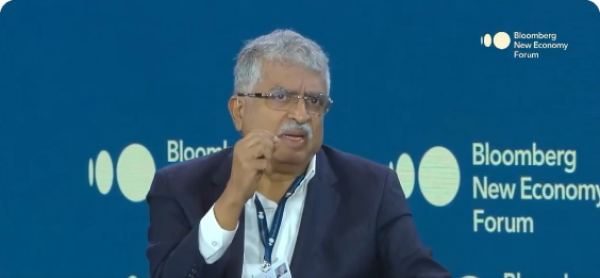
Nandan Nilekani Proposes Question Bank to Prevent NEET Paper Leaks
Infosys co-founder Nandan Nilekani has proposed creating a massive question bank and generating examination papers at the last minute to address concerns over paper leaks, including the NEET controversy. He also called for expanding computer-based testing infrastructure across India to strengthen the examination system.
 OCT 13, 2026
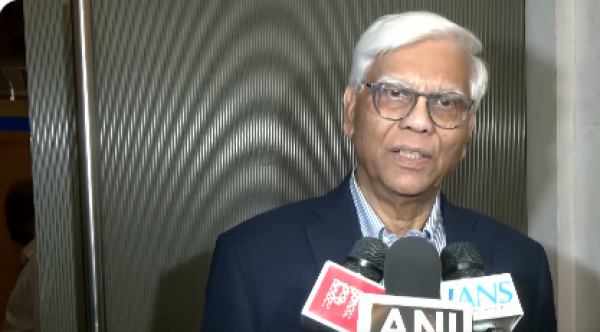
CII Global MSME Summit Highlights Opportunities and Challenges
New Delhi: Shreekant Somany, Chairman and Managing Director of Somany Ceramics Ltd., called for stronger collaboration between micro, small and medium enterprises (MSMEs), the government and industries to capitalise on opportunities emerging from global economic changes. Speaking at the 23rd CII Global MSME Business Summit in Delhi, he highlighted challenges related to tariffs, rising costs and access to finance.
 OCT 13, 2026
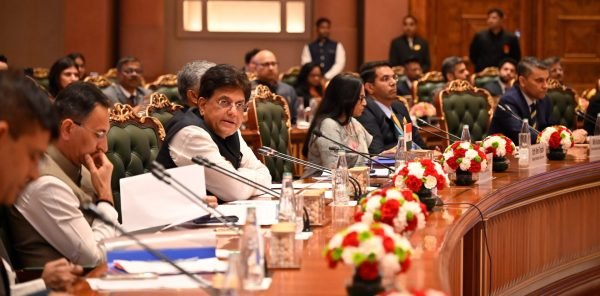
India-UK CETA Opens New Business and Investment Opportunities
The India-UK Comprehensive Economic and Trade Agreement (CETA) has been highlighted as a significant milestone in strengthening economic ties between India and the United Kingdom. Addressing the Joint Economic and Trade Committee (JETCO) Business Plenary alongside UK Business and Trade Secretary Jonathan Reynolds, the Indian representative emphasised opportunities for businesses in both countries to expand collaboration, deepen investments and build new partnerships.
 OCT 13, 2026
Kolkata Rally Celebrates Victories in Nandigram and Rejinagar
Kolkata: A large gathering of party workers and supporters took to the streets of Kolkata to celebrate the reported victories in Nandigram and Rejinagar. The victory rally was held at Murlidhar Sen Lane, with the event highlighting the party’s message of public trust and support for a “double-engine government”.